
Container Gardens
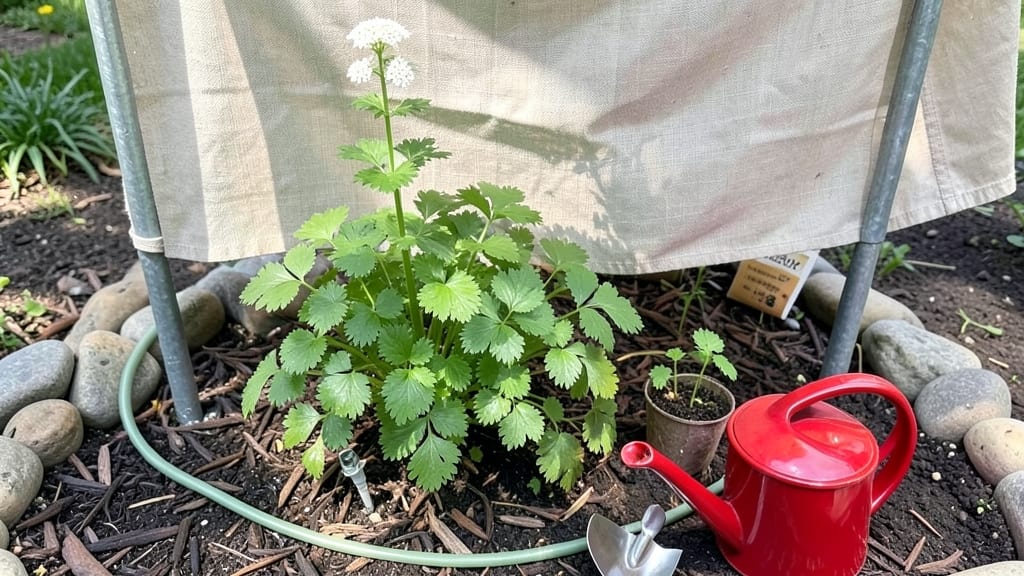
How to keep cilantro growing all summer—it’s possible with the right tricks, even when the heat feels relentless. The secret isn’t fancy: it’s about tricking the plant into thinking it’s spring, not high-heat season. Most gardeners give up after the first heatwave, but with the right moves, you’ll harvest fresh leaves all summer long.
Start by planting in partial shade—morning sun and afternoon relief is ideal. Use 5-gallon containers with well-draining soil, and water deeply every other day (never let it dry out). The moment you see flowers forming, snip them off—this forces the plant to focus on leaf growth instead of bolting.
I’ve kept cilantro thriving in 90°F heat using this exact method.
For extra insurance, try succession planting: sow new seeds every 2-3 weeks in late spring. The older plants will start slowing down just as the new ones take off, giving you a steady supply.
Companion plants like dill or basil nearby can also help keep cilantro happy by improving soil and deterring pests.
Even with these tricks, expect some struggle—cilantro’s just not built for heat. But with consistent care, you’ll get weeks of harvests instead of just a few. The payoff? Fresh cilantro in tacos, salads, and salsa when everyone else is buying wilted store-bought clumps. Worth the effort, honestly.
📚 In This Guide
- What you need
- Instructions
- Tips and common mistakes
- Wrapping up and next steps
What you need
- ● Cilantro seeds: Choose heat-tolerant varieties like ‘Santo’ or ‘Calypso’ (1–2 tbsp per container).
- ● Containers: 6–12" deep pots with drainage holes (1–2 plants per 6" pot).
- ● Potting mix: Well-draining, organic-rich soil (avoid heavy clay).
- ● Watering can or hose with a gentle nozzle: For deep but controlled hydration.
- ○ Shade cloth (30–50% coverage): To protect from intense afternoon sun (optional but helpful).
- ● Fertilizer: Balanced liquid fertilizer (10-10-10) or compost tea (every 2–3 weeks).
- ● Mulch (straw or shredded leaves) to retain moisture.
- ● Grow lights (LED, full-spectrum) for indoor backup or early shade.
- ● Pruning shears for harvesting (keep it tidy!).
- ● Succession planting seeds for continuous harvests.
Step-by-Step instructions for heat-proof cilantro growth
Cilantro bolts faster than a summer breeze—here’s how to keep it thriving all season.
Select the Right Variety and Plant Strategically
Choose bolt-resistant varieties like 'Slow Bolt' or 'Calypso'—these stay fresh longer in heat. Plant cilantro in partial shade (3–4 hours of morning sun) to avoid midday scorching. If your garden gets intense afternoon sun, opt for dappled shade under taller plants like basil or lettuce.
Direct sow seeds ½ inch deep, spacing them 6 inches apart in rows. Cilantro grows best when crowded but needs airflow to prevent fungal issues. Water gently after planting to settle the soil without disturbing seeds—this ensures strong root establishment before heat stress hits.
Maintain Consistent Soil Moisture Without Overwatering
Cilantro hates drying out but despises soggy roots. Water deeply every 2–3 days until the top 1–2 inches of soil feel dry. Use a moisture meter or stick your finger in—if it’s damp below the surface, wait. Overwatering leads to root rot, while underwatering triggers bolting.
Mulch with 1–2 inches of straw or shredded leaves to retain moisture and keep roots cool. Avoid synthetic mulches that trap heat. In containers, water more frequently—pots dry out faster, especially in full sun.
Provide Shade and Cooling Relief During Heatwaves
When temperatures exceed 80°F, cilantro bolts within days. Use floating row covers or shade cloth (30–50% shade) to filter harsh light. Secure the cover loosely—cilantro needs airflow but not direct sun. Remove it on cooler days to prevent overheating.
For container cilantro, move pots to a shaded patio or under a porch. If you can’t relocate, drape a sheer curtain over the pot during peak heat. Watch for wilting—if leaves droop by midday, the plant is struggling.
Harvest Regularly to Encourage Regrowth
Harvest outer leaves every 2–3 weeks to stimulate bushier growth. Snip stems just above a set of leaves to encourage branching. Avoid cutting into the center—this weakens the plant and speeds up bolting. Harvest in the morning for peak flavor and to avoid wilting.
If the plant bolts (sends up flower stalks), don’t panic. Snip the flowers before they form seeds, and the plant may regrow leaves. For a second harvest, cut back to 2–3 inches above the soil—new growth will emerge if roots are healthy.
Fertilize Lightly and Monitor for Pests
Feed cilantro with a balanced, water-soluble fertilizer (10-10-10) every 4–6 weeks at half strength. Too much nitrogen causes rapid growth that bolts quickly. Organic options like fish emulsion work well but dilute to avoid burning tender leaves.
Watch for aphids or spider mites, which thrive in hot, dry conditions. Spray plants with neem oil or a soapy water solution (1 tsp mild soap per quart of water) if pests appear. Inspect undersides of leaves—early detection prevents infestations.
Tips & tricks for heat-proof cilantro growth
Between us, I've lost count of how many cilantro plants I've watched bolt within weeks—until I learned these game-changing strategies. The difference between summer-long harvests and early disappointment often comes down to these small but critical adjustments.
Variety Selection Matters: While bolt-resistant varieties like 'Slow Bolt' or 'Calypso' are your best bet, don't overlook the planting environment. In Step 1, when choosing your location, prioritize areas with consistent morning sun but afternoon shade. I've found that cilantro planted near taller plants like basil actually thrives better—those leaves create natural shade during the critical afternoon hours when temperatures approach 80°F. The key is that morning sun jumpstarts growth while afternoon shade prevents heat stress.
Soil Temperature Control: The 2-inch mulch layer mentioned in Step 2 isn't just about moisture—it's about insulating roots from temperature swings. In hot climates, soil can reach 100°F+ at surface level while staying cool just 2 inches down. Use organic mulch like straw or shredded leaves that breaks down slowly, creating a natural insulating blanket. For container cilantro, elevate pots off the ground using bricks or pot feet to prevent heat conduction from hot surfaces.
Harvesting Technique: When harvesting every 2-3 weeks as directed in Step 4, focus on the outer leaves while preserving the inner growth center. The plant's energy comes from the center leaves, so cutting into this area accelerates bolting. I've noticed that harvesting in the early morning—when leaves are fully turgid—produces the freshest flavor and minimizes stress on the plant. Always use clean, sharp scissors to make clean cuts just above a leaf node, which encourages branching.
Pest Prevention Strategy: The soapy water solution mentioned for pests is effective, but I've found an even simpler approach works better in hot weather. In Step 5, when monitoring for aphids or spider mites, I recommend spraying plants with a mixture of 1 tablespoon of vegetable oil, 1 tablespoon of mild dish soap, and 1 quart of water. The oil smothers pests while the soap helps it adhere to leaves. Apply this solution in the evening when temperatures drop below 80°F—this prevents leaf burn that can occur when using soapy solutions during peak heat.
Pro Tips for Keep Cilantro Growing All Summer
- Between us, I've lost count of how many cilantro plants I've watched bolt within weeks—until I learned these game-changing strategies.
- Variety Selection Matters: While bolt-resistant varieties like 'Slow Bolt' or 'Calypso' are your best bet, don't overlook the planting environment.
- Soil Temperature Control: The 2-inch mulch layer mentioned in Step 2 isn't just about moisture—it's about insulating roots from temperature swings.
Frequently asked questions
about keeping cilantro thriving all summer—because nobody wants bolting or bitter leaves ruining your salsa!Why does cilantro bolt in hot weather?
Cilantro (Coriandrum sativum) bolts when days get long and hot—it’s a natural survival trick to flower and seed before summer’s end. The key is to slow its growth (shade, watering, and succession planting) to delay bolting and keep those tender leaves coming.
How often should I harvest cilantro to encourage regrowth?
Harvest cilantro every 1–2 weeks by snipping outer stems (never more than ⅓ of the plant at once). Regular harvesting prevents bolting and encourages bushier regrowth. Pro tip: Use sharp scissors to avoid crushing stems—cilantro hates rough handling!
Is it better to water cilantro deeply or lightly?
Deep, consistent watering (1–1.5 inches per week) keeps roots happy and prevents stress that triggers bolting. Avoid overhead watering (especially in heat)—water at the base to keep leaves dry and deter pests. Mulch helps retain moisture too!
Can I grow cilantro in containers all summer?
Use 5–6 inch deep containers with well-draining soil and place them in partial shade (especially in peak afternoon sun). Swap out seedlings every 4–6 weeks for a continuous harvest—cilantro’s short lifespan makes it perfect for container gardening.
What’s the best alternative if cilantro keeps failing?
If cilantro proves too finicky, try coriander’s cousin: Chinese parsley (ciliantro) or Thai basil—both handle heat better. For a similar flavor, dill or flat-leaf parsley (though milder) are great swaps. Or grow slow-bolting varieties like ‘Santo’ or ‘Calypso.’
How do I keep pests from destroying my cilantro?
Cilantro attracts aphids, spider mites, and deer! Neem oil or insecticidal soap tackles pests gently. For deer, use chicken wire or repellent sprays. Rotate planting spots yearly to break pest cycles.
Wrapping up and next steps
Keeping cilantro thriving all summer is totally doable with the right care—patience, shade, and consistent watering are your best friends! Whether you’re growing it in pots or garden beds, these tricks will help you enjoy fresh, vibrant cilantro straight from your container until the cooler months. 🌱
Now that you’re armed with the knowledge, give it a try! Start small with a few containers, experiment with the tips, and watch your cilantro flourish. Before you know it, you’ll be harvesting bountiful leaves for salsas, soups, and more—no wilting in sight! 🎉