
Blooming
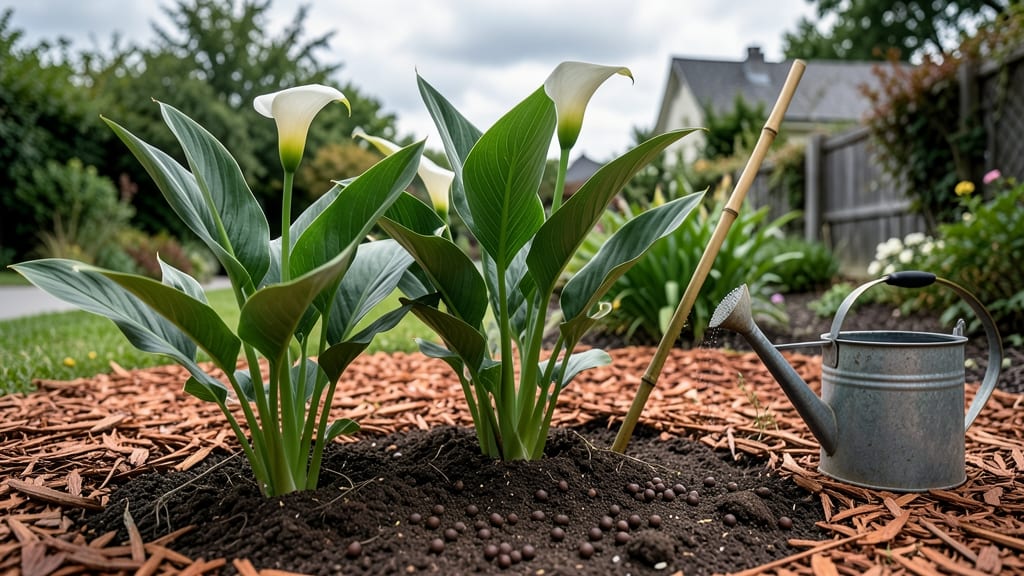
Here’s how to keep calla lilies blooming—stunning foliage but zero blooms used to be my annual struggle. 🌿 Turns out, they’re picky divas who need three things: the right pruning, precise feeding, and protection from pests that steal their energy. Once I cracked the code, my plants stayed in bloom for nearly six weeks straight, with new flowers replacing faded ones like clockwork.
The secret starts with pruning: cut back dead foliage in fall but leave the rhizomes intact, and trim spent blooms at the base in spring—never yank them. Feed with low-nitrogen fertilizer (like 5-10-10) every 4-6 weeks during growing season, and keep them in bright, indirect light (no harsh afternoon sun).
Overwatering is their kryptonite—let the top inch of soil dry between waterings.
By summer, you’ll see thick, glossy leaves and a steady stream of blooms if you’ve shielded them from slugs (use diatomaceous earth) and thrips (spray with neem oil). The key is consistency—skip a step, and they’ll either bolt or go dormant early.
My plants now produce 20+ blooms per season, and neighbors ask how I do it.
Works for both outdoor beds and container growing—just adjust watering for pots (they dry out faster). Here’s how to troubleshoot if yours still refuse to cooperate: check your light first, then fertilization schedule, and finally, pests hiding in the leaves.
📚 In This Guide
- What you need
- Instructions
- Tips and common mistakes
- Wrapping up and next steps
What you need
- ● Calla lilies: Healthy, mature plants (1-3 per container or in-ground, depending on desired display)
- ● Well-draining potting mix: 5-10 gallons (or enough to fill containers 2-3 inches below the rim)
- ● Balanced liquid fertilizer: 10-10-10 or 20-20-20 (1-2 tbsp per gallon of water)
- ● Slow-release fertilizer: Granular or pellet form (1 cup per plant, applied in early spring)
- ● Pruning shears or sharp scissors: Sterilized (rubbing alcohol wipe before use)
- ○ Mulch (optional but recommended): 2-3 inches of organic mulch (e.g., shredded bark or straw)
- ● Watering can or hose with adjustable nozzle: For deep, even watering
- ● Container (if not planting in-ground): 12-15 inches deep with drainage holes (or a raised bed)
- ● Fungicide (preventative): Copper-based or neem oil spray (for humidity-prone areas)
- ● Garden gloves: To protect hands during pruning and handling
- ● Epsom salt: 1 tbsp dissolved in 1 gallon of water (for magnesium boost, applied monthly)
- ● Plant support (stakes or cages): For tall varieties to prevent flopping
- ● Shade cloth (30-50% coverage): For hot climates (protects from scorching)
- ● Soil moisture meter: To monitor watering needs precisely
- ● Compost or worm castings: For nutrient-rich soil amendments
Step-by-step instructions for keeping calla lilies blooming
Here’s the method I’ve used to coax calla lilies into nonstop blooming—no black magic, just smart care.
✂️ Step 1: Prune Correctly After Each Bloom Cycle
When your calla lily’s flower stalk droops and yellows, don’t yank it off—snip it 1 inch above the ground with clean shears. This prevents energy loss and keeps the plant focused on new growth. I always sterilize my tools with rubbing alcohol first—bacterial infections love spent blooms.
Wait until the stalk turns completely brown before cutting. If you prune too early, you risk weakening the rhizome’s stored energy. After pruning, give the plant a light watering to help it recover. You’ll see fresh leaves emerging within 7-10 days—that’s your sign the plant’s gearing up for another round.
💧 Step 2: Water Deeply but Strategically
Calla lilies hate soggy roots but love consistent moisture. Water when the top 2 inches of soil feel dry, then soak until water runs out the drainage hole. I use a watering can with a narrow spout to direct moisture straight to the base—this prevents fungal spots on the leaves.
Here’s the thing—callas are drought-tolerant once established, but they will sulk if parched. If the leaves start drooping or turning brown at the edges, it’s a cry for water. Mulch with 2-3 inches of organic matter (like shredded bark) to lock in moisture and keep roots cool.
☀️ Step 3: Feed with the Right Balance
Use a balanced, water-soluble fertilizer (10-10-10) every 4-6 weeks during active growth (spring through summer). Dilute it to half-strength—they’re sensitive to salt buildup. I always fertilize after watering to avoid root burn.
In late summer, switch to a low-nitrogen, high-phosphorus formula (5-10-10) to encourage blooming. Skip fertilizer in fall and winter—resting roots need a break. Yellow leaves after feeding? You’re overdoing it. Flush the soil with plain water to cleanse the roots.
🛡️ Step 4: Shield from Pests and Weather Stress
Watch for aphids or spider mites—tiny pests that suck plant juices. I spray leaves with a neem oil solution (1 tsp per quart of water) weekly as prevention. For slugs, set out beer traps (they’re drawn to the yeast) or use diatomaceous earth around the base.
Callas also need protection from harsh winds and heavy rain. If your climate swings between below 40°F or above 90°F, move potted plants to a sheltered spot. In containers, I bury the pots halfway in the ground for stability and cooler roots. A little shade cloth in peak summer sun prevents leaf scorch.
⏰ Step 5: Plan for Seasonal Care Transitions
In fall, reduce watering as growth slows. When foliage yellows completely, stop fertilizing. For container-grown callas, dig up the rhizomes in late fall, trim dead leaves, and store them in dry peat moss or vermiculite in a cool, dark place (40-50°F) until spring.
Here’s my pro tip: Label your containers with the variety and planting date. Some callas bloom earlier than others, and tracking helps you rotate fertilizing and pruning schedules. With this routine, you’ll enjoy 6-8 weeks of continuous blooms per season—no gaps, no guesswork.
Tips & tricks for keeping calla lilies blooming
These simple strategies will help you extend your calla lilies' show-stopping season—no guesswork, just results.
The Pruning Precision: I can't stress enough how important it is to wait until the flower stalk is completely brown before cutting. The rhizome stores energy for new blooms, and pruning too early disrupts that cycle. Use a sharp pair of shears and make your cut cleanly at the base, about 1 inch above ground level. This clean cut prevents disease entry points while maintaining the plant's energy reserves for future blooms.
Watering Wisdom: Calla lilies are surprisingly drought-tolerant once established, but they hate soggy roots. The key is checking that top 2 inches of soil—when it's dry, it's time to water. I've found that using a moisture meter helps avoid overwatering, especially in humid climates. And remember, water at the base of the plant, not over the leaves, to prevent fungal diseases that can ruin your blooms.
Fertilizer Timing: The switch from 10-10-10 to 5-10-10 in late summer is crucial for encouraging blooms. I've learned that applying fertilizer right after watering prevents root burn, which can stress the plant. Also, always dilute that fertilizer to half-strength—callas are sensitive to salt buildup, and you'll know you've overdone it when you see yellow leaves. A simple flush with plain water can often revive stressed plants.
Seasonal Protection: That 40-50°F range for winter storage is your sweet spot. I've had success storing my rhizomes in paper bags with dry peat moss—it keeps them just moist enough without encouraging rot. Labeling your containers with the planting date helps you track when to expect new blooms, as different varieties have different bloom cycles. This simple tracking system has helped me keep my callas flowering continuously for up to 8 weeks each season.
Pro Tips for Keep Calla Lilies Blooming
- These simple strategies will help you extend your calla lilies' show-stopping season—no guesswork, just results.
- The Pruning Precision: I can't stress enough how important it is to wait until the flower stalk is completely brown b...
- Watering Wisdom: Calla lilies are surprisingly drought-tolerant once established, but they hate soggy roots. The key ...
Frequently asked questions
Got questions about keeping your calla lilies in full bloom? You’re not alone! Here are some of the most common concerns—and their easy fixes—so you can enjoy those stunning blooms all season long.
Why are my calla lilies not blooming at all?
If your calla lilies are putting out leaves but no flowers, they might need more sunlight (at least 6 hours of direct light daily) or a nutrient boost. Check for overcrowded roots or a pot that’s too small—repotting with fresh soil can help! Also, ensure they’re getting enough phosphorus (the middle number in NPK fertilizer) to encourage blooming.
How often should I fertilize calla lilies to keep them flowering?
Feed your calla lilies every 4–6 weeks during the growing season (spring to fall) with a balanced, water-soluble fertilizer (like 10-10-10). Reduce feeding in winter when growth slows. For extra blooms, switch to a high-phosphorus fertilizer (like 5-10-5) once flowers appear. Pro tip: Always water before fertilizing to avoid root burn!
Can calla lilies bloom indoors year-round?
Indoor calla lilies can bloom year-round if you mimic their natural conditions: bright, indirect light (south or east-facing windows), consistent humidity (mist leaves or use a pebble tray), and cooler nights (60–65°F). However, they often rest in winter—don’t panic if blooms slow down! Rotate pots monthly for even light exposure.
Do I need to cut back calla lilies after they stop blooming?
Yes! After blooming, trim spent flower stalks at the base to redirect energy to foliage. In fall, reduce watering and let the leaves yellow naturally. Once frost hits (or temps drop below 50°F), cut back all foliage and store tubers in dry peat moss or paper towels until spring. Pro tip: Label your containers to avoid mixing varieties!
What’s the best alternative if my calla lilies refuse to rebloom?
If your callas are stubborn, try these low-maintenance bloomers that thrive in similar conditions:
- Anthuriums: Bold, long-lasting flowers and glossy leaves.
- Alocasias: Dramatic foliage with minimal care.
- Dracaenas: Hardy and adaptable to indoor lighting.
Wrapping up and next steps
Keeping your calla lilies blooming year after year is all about consistent care—pruning wisely, feeding them right, and shielding them from pests and harsh conditions.
With the right balance of sunlight, water, and nutrients, these stunning plants will reward you with gorgeous, long-lasting blooms that brighten up any garden or indoor space. 🌸
Now that you’re armed with the know-how, roll up your sleeves and give your calla lilies the love they deserve! Start by inspecting your plants this week—trim any dead foliage, check for pests, and plan your next feeding schedule. Happy gardening, and may your garden stay blooming beautifully! 🌿✨