
Pests
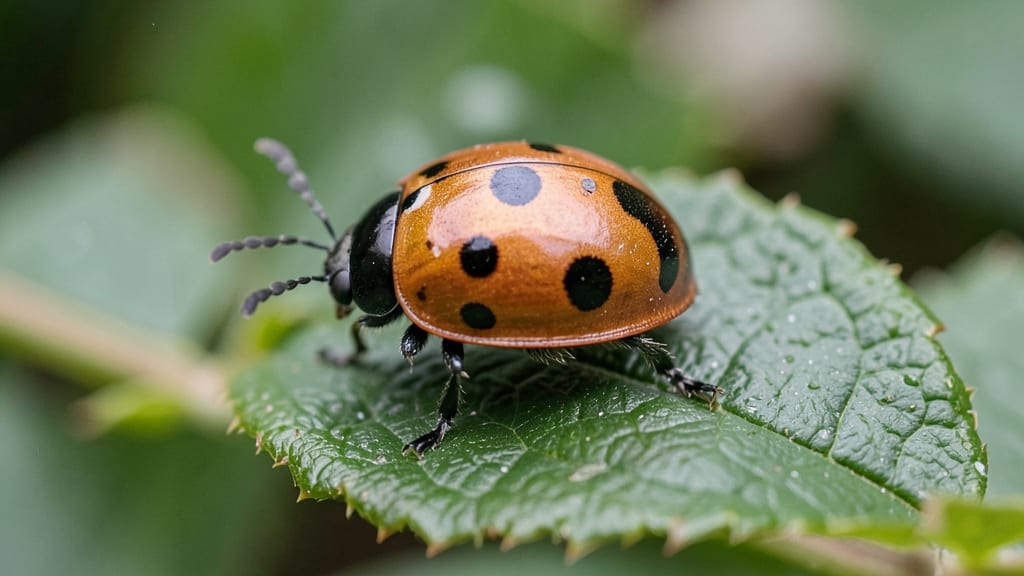
How to keep aphids off roses—your prize rose bushes turned into sticky, curled messes last summer? 🌹 The good news? Neem oil isn't just a quick fix—it creates a protective barrier that keeps those sap-sucking pests away for weeks at a time, without harming your plants or the bees. Most gardeners reach for harsh chemicals first, but that's the wrong play. Neem oil works because it disrupts aphids' feeding signals while leaving your roses unharmed. You'll need just 2 tablespoons per quart of water, a spray bottle, and 10 minutes—plus the satisfaction of roses that stay lush and aphid-free. By the end of this method, your bushes will be thriving with fewer sticky leaves, more vibrant blooms, and a natural defense system that outlasts single sprays. The secret? Timing your applications right and combining it with other organic strategies for maximum protection. Works for hybrid teas, floribundas, and even climbing roses—no matter how bad the infestation looks right now. Let's get those roses back to their best.
Root Causes of Aphid Infestations
Aphids may seem like tiny, harmless pests, but they’re actually highly opportunistic and thrive in specific conditions. Understanding why they target your roses—and how to disrupt their cycle—is the first step to keeping them at bay.
Below, we break down the real reasons these sap-sucking insects invade your garden, from plant biology to environmental triggers.
Aphids are drawn to roses that are already struggling. When your plants are nutrient-deficient, overcrowded, or diseased, they produce sticky honeydew (a byproduct of aphid feeding) and emit distress signals that aphids detect. Here’s why:
- Nitrogen deficiency: Aphids prefer soft, new growth—common in roses lacking nitrogen. Without enough nitrogen, your roses produce tender shoots that aphids can easily pierce with their mouthparts.
- Water stress: Overwatering or drought weakens roots, making roses more vulnerable. Aphids sense the increased sugar content in stressed leaves, which acts like an all-you-can-eat buffet.
- Fungal or bacterial infections: Roses with powdery mildew or black spot often have damaged cell walls, releasing sugars that aphids crave. The fungi also create microclimates that aphids love.
💡 Pro Tip: Conduct a soil test to check nitrogen levels (ideal range: 2-4%). Use a balanced fertilizer (10-10-10) in early spring to harden roses before aphids emerge.
Aphids don’t just target roses—they colonize entire ecosystems. When your garden is packed with host plants, aphids have a mobile buffet and can spread rapidly. Key factors:
- Proximity to weeds: Dandelions, clover, and plantain are aphid magnets. A single weed patch can produce thousands of aphids that migrate to your roses in just days.
- Lack of beneficial predators: Ladybugs, lacewings, and parasitic wasps (like Aphidius colemani) naturally control aphid populations. But if your garden is too dense, these predators can’t patrol effectively.
- Monoculture planting: Growing only roses (or other aphid-loved plants like peonies or lilacs) creates a perfect breeding ground. Aphids reproduce asexually, meaning one female can birth 50-100 nymphs in a week without male involvement.
🌡️ Actionable Fix: Introduce diverse companion plants like marigolds (which repel aphids with alpha-terthienyl) or chives (which deter pests with sulfur compounds). Aim for 30% non-host plants in your garden layout.
Aphids are cold-blooded and rely on external temperatures to thrive. Their life cycle accelerates in:
- Warm springs (50–75°F): Aphids emerge from overwintering eggs when soil and air temperatures rise. Cool nights followed by warm days trigger rapid reproduction.
- High humidity (60%+): Moisture helps aphids retain water and prevents natural predators (like ants) from dehydrating them. Overhead watering also spreads aphids to new plants via splashing.
- Still air: Aphids are poor fliers and rely on wind or ants to disperse. In stagnant air, they cluster on the undersides of leaves, where they’re protected from sunlight and predators.
✨ Science Note: Aphids can detect plant stress hormones like jasmonic acid, which roses release when under heat or drought stress. This is why they swarm during heatwaves!
Here’s a shocking twist: Ants farm aphids like cattle. They:
- Herald aphids to new plants by tapping them with their antennae.
- Protect aphids from predators in exchange for honeydew (ants’ primary food source).
- Build highways between plants to transport aphids, creating supercolonies.
🔥 Key Insight: If you see ants marching in straight lines on your roses, aphids are likely nearby—even if you haven’t spotted them yet. Disrupting this relationship is a game-changer for prevention.
Natural Ways to Banish Aphids
Aphids may be tiny, but they’re not invincible! 🚫🐜 With the right approach, you can kick them off your roses for good—without harsh chemicals. Below, we break down cause-specific solutions to tackle aphids head-on, plus prevention tips to keep your roses aphid-free long-term.
Aphids love weak, overcrowded roses because they’re easier to feed on. Fix it fast with these steps:
- 🔪 Trim Infested Branches Snip off heavily infested stems below the aphid cluster (they often gather at new growth). Drop them in a sealed bag to prevent spreading. Pro tip: 💡 Sterilize pruners with rubbing alcohol between cuts to avoid cross-contamination.
- 🌱 Improve Airflow & Spacing Thin out dense foliage so sunlight and air circulate. Aphids thrive in shaded, humid spots—open up your roses to make them less appealing.
- 💧 Water at the Base Avoid overhead watering, which creates sticky honeydew (aphid waste) and attracts ants—your new pest allies. Water early in the morning at the soil level to keep leaves dry.
Roses with poor soil are aphid magnets. Boost their health with these fixes:
- 🌱 Test & Amend Soil Aphids adore roses with low nitrogen or phosphorus. Get a soil test (many garden centers offer kits) and add:
- Compost (1–2 inches mixed into the topsoil) for organic matter.
- Balanced fertilizer (10-10-10) in early spring to encourage strong, aphid-resistant growth.
- 🍄 Add Beneficial Microbes Mycorrhizal fungi (found in root inoculants) help roses absorb nutrients better, making them less vulnerable. Sprinkle it on roots when planting or transplanting.
- 🌿 Mulch Like a Pro Apply 2–3 inches of organic mulch (straw, wood chips, or shredded leaves) to retain moisture and regulate soil temp. Warning: 🔥 Avoid plastic mulch—it traps heat and attracts aphids!
Ants farm aphids for honeydew, so breaking their partnership is key. Outsmart them with:
- 🍯 Bait Traps for Ants Mix borax + sugar + water (1:1:2 ratio) in a shallow dish. Ants take it back to the colony, and it wipes them out. Safety note: Keep pets/kids away—borax is toxic if ingested.
- 🌿 Barrier Sprays Spray neem oil (1 tbsp per quart of water + a drop of dish soap) around the base of roses and ant trails. The scent confuses ants and deters them from "herding" aphids.
- 🪲 Introduce Predatory Insects Ladybugs, lacewings, and parasitic wasps love aphids. Buy them online or attract them with dill, fennel, or marigolds planted nearby.
Sticky honeydew ruins leaves, attracts sooty mold, and lures more pests. Clean up fast with:
- 🧼 Gentle Leaf Wash Spray roses with a mild soap solution (1 tsp dish soap + 1 quart water) to dissolve honeydew. Test on a small leaf first—some roses are sensitive. Pro tip: 🌡️ Do this on a cool, cloudy day to avoid leaf burn.
- 🛡️ Neem Oil Barrier Spray Mix 1 tbsp neem oil + 1 tsp soap + 1 quart water in a spray bottle. Coat both sides of leaves every 7–10 days during aphid season. Neem smothers aphids and deters new ones for weeks.
- 🧹 Remove Debris Clear fallen leaves, spent blooms, and weeds from around roses—they harbor aphid eggs. A weekly tidy-up keeps your garden aphid-free.
An ounce of prevention beats a pound of cure! Lock down your roses with these habits:
- 🌱 Plant Companion Flowers Aphids hate garlic, chives, or petunias near roses. Their strong scents repel pests naturally.
- 🕰️ Early Intervention Check roses weekly for aphids (especially on new buds and undersides of leaves). Catch them early, and they’re easier to squash!
- 🌿 Rotate Sprays Aphids build resistance to neem oil over time. Alternate with insecticidal soap or kaolin clay (a natural repellent) every few weeks.
- 🌱 Choose Resistant Varieties Some roses, like ‘Knock Out’ or ‘Dr. Huey’, are naturally aphid-resistant. Ask your local nursery for disease-resistant hybrids if aphids are a recurring issue.
Final Thought: 🎯 Aphids are a nuisance, but with consistent care and smart tactics, your roses can stay lush and pest-free. Start with pruning, soil health, and neem oil, then layer in prevention—your garden will thank you with bigger, healthier blooms!
Frequently asked questions
How often should I apply neem oil to protect my roses?
Apply neem oil spray every 7–10 days during active aphid season (spring through early fall). For prevention, a monthly application works well. Always spray in the early morning or evening to avoid harming bees and allow the oil to dry before rain.
Will ladybugs really eat all my aphids?
Ladybugs are excellent aphid predators, but they won't eliminate every single one. A single ladybug can eat 5,000 aphids in its lifetime, but they also need other food sources. Release 25–50 ladybugs per rose bush for best results, and plant dill or fennel nearby to attract more naturally.
What's the fastest way to remove aphids from my roses?
For immediate results, use a soapy water spray (1 tsp mild dish soap per quart of water). Spray directly on aphids, focusing on undersides of leaves where they hide. Repeat every 3–4 days until they're gone. This method works in 24–48 hours for light infestations.
Can I use garlic spray instead of neem oil? Yes! Garlic spray is a great alternative. Blend 4 cloves of garlic + 1 quart of water
+ 1 tsp cayenne pepper
+ 1 tsp dish soap
and let it steep for 24 hours. Strain and spray on roses. Reapply every 5–7 days. The sulfur compounds in garlic repel aphids while strengthening your roses' natural defenses.
Why do aphids keep coming back even after treatment?
Persistent aphids usually mean one of three things: 1) You're missing hidden colonies (check leaf undersides and new growth), 2) Ants are protecting them (use ant baits), or 3) Your roses are stressed (improve soil health and spacing). Rotate treatments and focus on prevention for long-term success.