
Aphids
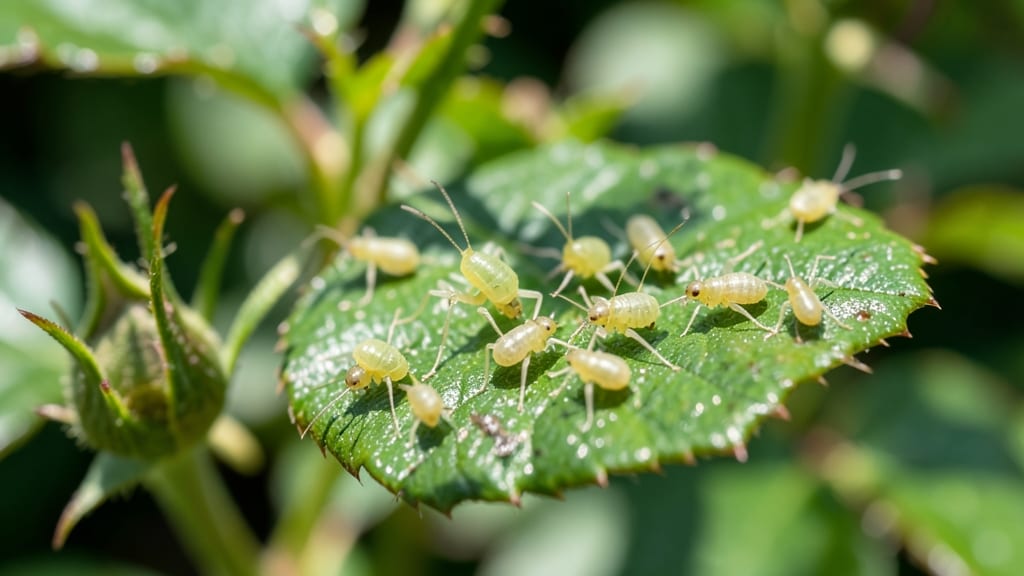
How to identify aphids on plants—those tiny green bugs clinging to your plants? They’re worse than they look. 🌱 I've spent years watching these sap-sucking pests transform healthy leaves into sticky, curled messes, and I'm sharing exactly how to spot them before they ruin your garden. Start by checking the leaf undersides and new growth where they love to hide. Aphids are 1/16-inch (1.5mm) long, soft-bodied, and come in colors from bright green to black. Grab a magnifying glass—their pear-shaped bodies and antennae make them unmistakable once you know what to look for. You'll also notice sticky residue (honeydew) on leaves below infested areas, and ants trailing up stems (they farm aphids!). Early detection means you can blast them off with water or introduce ladybugs before they spread. This works for vegetables, flowers, and houseplants alike. Here's how to become an aphid detective in your garden—no prior experience needed.
Root Causes Of Aphid Infestations
Aphids don’t just appear out of nowhere—they thrive when specific conditions align, turning your lush plants into an all-you-can-eat buffet. Understanding why these tiny pests show up helps you prevent future outbreaks. Here’s a breakdown of the key factors that turn your garden into an aphid hotspot.
Aphids are opportunistic feeders—they zero in on plants that are already struggling. When a plant is weak, its defenses drop, making it an easy meal. Here’s what makes a plant vulnerable:
- Nutrient deficiencies: Plants lacking nitrogen, phosphorus, or potassium produce softer, more sap-rich leaves—aphids’ favorite snack. Pro tip: Over-fertilizing with nitrogen can also attract aphids by promoting rapid, tender growth.
- Water stress: Both overwatering and drought weaken plants. Overwatered plants develop mushy leaves, while drought-stressed plants can’t produce enough defensive compounds like tannins or alkaloids that repel pests.
- Poor air circulation: Dense foliage or crowded plants trap humidity, creating a cozy microclimate for aphids. Poor airflow also slows down the plant’s ability to recover from damage.
- New growth: Young shoots and leaves are aphids’ top choice because they’re tender and packed with easily accessible sap. This is why you often see aphids clustered at the tips of stems.
💡 Actionable fix: Strengthen your plants with balanced fertilization, proper watering (water deeply but avoid soggy soil), and prune to improve airflow. Harden off new growth by gradually exposing it to outdoor conditions.
Aphids reproduce at an alarming rate, thanks to a biological quirk called parthenogenesis—they can clone themselves without mating. Here’s how their lifecycle fuels infestations:
| Stage | What Happens | Why It Matters |
|---|---|---|
| Egg Stage | Female aphids lay eggs on plants in fall, which overwinter and hatch in spring. | If you don’t clean up plant debris, these eggs survive and kickstart new infestations. |
| Asexual Reproduction | One aphid can give birth to 50-100 live nymphs in weeks—no males needed! | This exponential growth means a few aphids can become thousands in days. |
| Winged Aphids | When food runs low, aphids grow wings and fly to new plants, spreading the infestation. | This is how aphids hop from your roses to your veggies in record time. |
💡 Actionable fix: Monitor plants regularly for early signs of aphids (especially in spring). Remove and destroy heavily infested plant debris before new growth starts. Introduce natural predators like ladybugs or lacewings to keep populations in check.
Aphids love warm temperatures (60–80°F) and moderate humidity. Here’s how climate plays a role:
- Spring and early summer: Mild winters and warm springs allow aphids to hatch earlier and reproduce faster. Global warming has extended their active season in many regions.
- Dry heat vs. humidity: While aphids prefer humidity, they avoid extreme drought or scorching heat. However, they thrive in shady, damp areas where plants are lush and sap is plentiful.
- Greenhouse effect: Greenhouses trap heat and moisture, creating a perfect aphid paradise. Without natural predators, infestations can spiral out of control.
💡 Actionable fix: Use row covers in early spring to block winged aphids from landing. Improve drainage in containers to prevent soggy roots, and avoid overcrowding plants in greenhouses. Pro tip: Aphids hate dry, breezy conditions—increase airflow with fans or strategic pruning.
Aphids are part of a delicate food web. When their natural enemies disappear, their populations explode. Common reasons for predator loss:
- Pesticide overuse: Broad-spectrum insecticides kill both aphids and their predators (like ladybugs, lacewings, and parasitic wasps). This leaves aphids unchecked.
- Monoculture gardening: Planting large blocks of the same species (e.g., a field of roses) creates a aphid buffet with few hiding spots for predators.
- Urbanization: As natural habitats shrink, beneficial insects lose places to nest and forage, reducing their numbers in gardens.
💡 Actionable fix: Shift to integrated pest management (IPM)—use soapy water sprays or neem oil instead of harsh chemicals. Plant diverse, companion plants (like dill, fennel, or marigolds) to attract predators. Pro tip: Install a bug hotel or leave some "wild" areas in your garden to support beneficial insects.
By addressing these root causes, you’re not just treating aphids—you’re breaking their cycle before it starts. Strong plants, balanced ecosystems, and smart gardening practices make your garden a lot less appealing to these tiny troublemakers.
How to Fix Aphid Infestations
Aphids may be tiny, but they pack a punch—leaving your plants weak, sticky, and struggling. The good news? You don’t need a degree in entomology to tackle them. Below, we break down practical, step-by-step solutions tailored to the root cause of your aphid problem.
Whether they’re hitching a ride on new plants, thriving in crowded gardens, or spreading like wildfire thanks to ants, we’ve got you covered. Plus, we’ll share prevention tips to keep these pests from crashing your garden party again.
🌱 Cause: New Plants Brought Aphids Inside
If your infestation started with a fresh purchase, quarantine is your first line of defense. Aphids love stowing away on leaves and stems, so act quickly to stop them from colonizing your entire garden.
How to Fix It:
- 🔍 Inspect New Plants Thoroughly
- Rinse leaves under lukewarm water to dislodge hidden aphids.
- Use a hand lens to check undersides of leaves, stems, and buds.
- If aphids are present, treat immediately before introducing the plant to your garden.
- 🛁 Isolate and Treat
- Place the plant in a separate, shaded area (like a garage or porch) for 3–5 days while treating it.
- Spray with neem oil (1 tsp per quart of water + a drop of dish soap as a surfactant) or insecticidal soap.
- Repeat every 3–5 days until aphids disappear.
- 🚫 Prevent Future Contamination
- Always quarantine new plants for at least 2 weeks before introducing them to your garden.
- Buy from reputable nurseries that prioritize pest-free stock.
- 💡 Pro Tip: Ask for organic-certified or aphid-tested plants if you’re extra cautious.
🌿 Cause: Overcrowded or Stressed Plants
Aphids adore weak, nutrient-starved plants. If your garden is packed like a sardine can or plants are thirsty, they’ll move in faster than a squirrel at a bird feeder.
How to Fix It:
- 💦 Revive Your Plants
- Water deeply (1–2 inches per week) to reduce stress—aphids love drought-prone plants.
- Prune crowded branches to improve airflow (they thrive in humid, stagnant conditions).
- Fertilize lightly with a balanced, organic fertilizer (like compost tea) to boost plant health.
- 🕷️ Introduce Natural Predators
- Ladybugs, lacewings, and parasitic wasps devour aphids. Buy them online or attract them with:
- Dill, fennel, or yarrow (their favorite flowers).
- Aphid-infested plants as a buffet (yes, really—it’s like a bug fast-food joint).
- Ladybugs, lacewings, and parasitic wasps devour aphids. Buy them online or attract them with:
- 🧼 Spray Like a Pro
- Insecticidal soap (mix 1 tbsp per quart of water) works well for small infestations.
- Neem oil disrupts aphid life cycles—spray every 7–10 days for 3 weeks.
- 💡 Pro Tip: Spray early in the morning or late evening to avoid harming beneficial insects.
🐜 Cause: Ants Protecting Aphids
Ants farm aphids for their sticky honeydew—it’s like a buggy symbiotic relationship. Without ants, aphids are vulnerable. Break this partnership, and you weaken their defenses.
How to Fix It:
- 🐜 Disrupt the Ant-Aphid Duo
- Tanglefoot or petroleum jelly on tree trunks creates a barrier ants can’t cross.
- Diatomaceous earth (food-grade) around plant bases kills ants on contact.
- Boiling water poured into ant trails (works for outdoor nests).
- 🌿 Remove Honeydew Attractions
- Wipe sticky residue with a damp cloth to discourage ants.
- Place orange or lemon peels near plants—ants hate the scent.
- 🕸️ Encourage Ant Predators
- Praying mantises, ground beetles, and birds love ants. Plant native flowers to attract them.
🌡️ Cause: Warm, Sheltered Microclimates
Aphids thrive in cozy, humid spots—think dense foliage, greenhouses, or shaded corners. If your garden is a bug’s version of a luxury spa, it’s time to rough it up a bit.
How to Fix It:
- 🌞 Improve Airflow and Sunlight
- Prune thick foliage to let sunlight and breeze circulate.
- Space plants 12–18 inches apart to reduce hiding spots.
- Use reflective mulch (like aluminum foil) to deter aphids with light.
- 🌧️ Blasts of Water Work Wonders
- Spray aphids off with a strong stream of water (early morning is best).
- 💡 Pro Tip: Add a drop of castile soap to the water for extra stickiness.
- 🌿 Rotate Plant Placement
- Move susceptible plants (like roses or basil) to sunnier, windier spots seasonally.
- Interplant with aphid-repelling herbs like mint, basil, or lavender.
Once you’ve kicked aphids to the curb, lock the door with these long-term strategies:
- 🌱 Choose Resistant Varieties
- Some plants (like aphid-resistant roses or marigolds) naturally deter pests. Check seed packets for "aphid-resistant" labels.
- 🕵️ Monitor Regularly
- Inspect new growth weekly—aphids love tender shoots.
- Yellow sticky traps near plants catch winged aphids before they land.
- 🌿 Encourage a Balanced Ecosystem
- A diverse garden with native plants supports predators like ladybugs and lacewings.
- Avoid over-fertilizing with nitrogen—it makes plants soft and aphid-friendly.
- 🧼 Keep Tools and Hands Clean
- Disinfect pruners with rubbing alcohol between uses to avoid spreading aphids.
- Wash your hands after handling infested plants to prevent cross-contamination.
Final Thought: Aphids may be relentless, but with the right mix of quick fixes, natural predators, and smart prevention, you’ll have them beat in no time. 🚀 Now go reclaim your garden—one sticky leaf at a time!
Frequently asked questions about identifying tiny plant pests
What do aphids look like under a magnifying glass?
Aphids are pear-shaped, about 1/16-inch (1.5mm) long, with two antennae and tiny legs. Their bodies are soft and can be bright green, black, brown, or even pink! Look for their clustered groups on leaf undersides or new growth—their waxy coating makes them slightly shiny.
How can I tell if sticky residue on leaves is from aphids?
That sticky substance is called honeydew, and it’s a dead giveaway! Wipe a leaf with a damp cloth—if it leaves a tacky film, aphids are nearby. You’ll also spot ants trailing up stems (they farm aphids for honeydew). Check leaf undersides for tiny bugs while you’re at it.
Why do aphids always hide on the undersides of leaves?
Leaf undersides are aphids’ perfect hideout—they’re cooler, damper, and harder for predators (like ladybugs) to reach. The undersides also provide shelter from rain and direct sunlight, which helps them stay hidden while they feed on sap. Think of it as their natural buggy basement!
Can aphids be confused with other tiny bugs?
Yes! Scale insects look similar but are flatter and don’t move (they’re immobile once mature). Spider mites are even tinier (1/50-inch) and leave webbing, while whiteflies flutter when disturbed. Aphids are the only ones that leave honeydew and cluster in obvious groups. Use a magnifying glass to check for antennae!
What’s the best time of day to check for aphids?
Early morning is ideal—aphids are sluggish after the cool night and haven’t yet retreated to hidden spots. Avoid checking midday when they’re less active. If you’re in a hurry, look for yellowing leaves or curled leaf edges, which are classic aphid damage signs.