
Watering
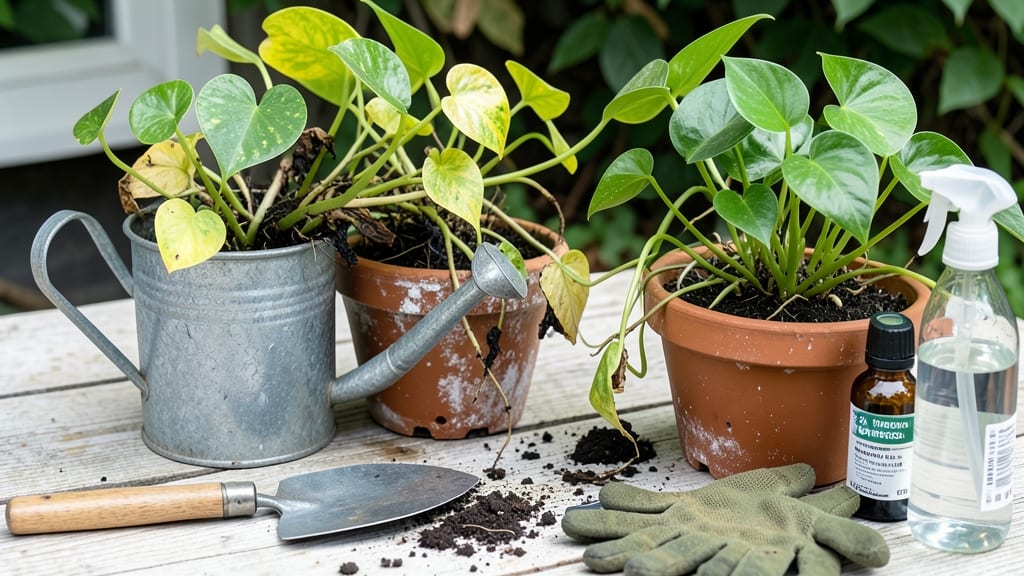
How to help an overwatered plant—that sad, limp look isn't a death sentence, but it is a call for action. Most people panic and water even more, but the solution is simple: stop, drain, and assess.
Start by moving the plant to a dry spot and letting the soil dry out completely. If it's in a pot, check the drainage holes—if they're clogged, roots can't breathe.
For severe cases, gently remove the plant and trim any mushy, black roots with clean scissors. Healthy roots should be firm and white or tan.
Once you've addressed the damage, repot in fresh, well-draining soil and choose a container with drainage holes. Water only when the top inch of soil feels dry to the touch. You'll see new growth within 2-4 weeks, and the plant will bounce back stronger than before.
Prevention is easier than revival: stick your finger in the soil before watering. If it's damp, wait. Different plants need different care—succulents hate moisture, while ferns crave it. Adjust your routine based on what thrives in your space.
Root Causes Of Plant Overwatering
Overwatering isn’t just a gardening mistake—it’s a silent killer that chokes plants from the inside out. Understanding why it happens is the first step to fixing it. Let’s break down the science and scenarios that lead to soggy soil and struggling roots.
---
💡 The Problem: If your plant’s container lacks drainage holes or the soil retains too much water, roots suffocate. Without oxygen, they can’t absorb nutrients or grow properly.
- Why it happens: - Clay or compacted soil holds water like a sponge, blocking airflow to roots. - No drainage holes trap excess water, creating a waterlogged environment. - Overpotting (using a pot too large for the plant) leaves excess soil that stays wet longer.
🔥 Actionable fix: Use well-draining soil mixes (like cactus or succulent blends) and pots with drainage holes. If repotting, choose a container just 1–2 inches larger than the root ball.
---
🌡️ The Problem: Watering on a strict schedule—even if the soil isn’t dry—leads to chronic sogginess. Plants need consistent moisture, not constant moisture.
- Why it happens: - Ignoring soil moisture (watering when the top inch is still damp). - Overzealous care (thinking "more water = happier plant"). - Seasonal neglect (watering the same amount year-round, even in winter).
✨ Pro tip: Stick your finger 1–2 inches into the soil. If it’s damp, wait. If it’s dry, water deeply but thoroughly—then let excess drain away.
---
💧 The Problem: High humidity (common in bathrooms, kitchens, or greenhouses) slows evaporation, keeping soil wet longer than usual.
- Why it happens: - Lack of airflow (plants in corners or enclosed spaces). - Grouped plants (transpiring together increases local humidity). - Rainy or cloudy climates (natural humidity spikes).
🎯 Quick solution: Improve airflow with a small fan or move plants to brighter, drier spots. Avoid overcrowding—give each plant breathing room.
---
📊 The Problem: Some plants (like ferns) love moisture, while others (like succulents) need dry spells. Using the wrong soil type drowns roots.
- Why it happens: - Using garden soil (too dense, retains water like a swamp). - Peat-heavy mixes (hold water for weeks, suffocating roots). - No organic matter (soil compacts, blocking drainage).
💪 Nutrition fix: Match soil to the plant: - Moisture-lovers (e.g., ferns, calatheas): Use peat-based or coconut coir mixes. - Drought-tolerant (e.g., cacti, snake plants): Opt for gritty, sandy blends with perlite or pumice.
--- 🍄 The Problem: Waterlogged soil breeds Pythium or Phytophthora fungi, which rot roots faster than you can water.
- Why it happens: - Stagnant water (pots sitting in saucers without drainage). - Cold, damp conditions (fungi thrive in temps below 60°F/15°C). - Weakened plants (stress from overwatering invites infections).
🔪 Emergency action: Trim black/mushy roots with sterilized scissors, repot in fresh, dry soil, and avoid watering until the top inch is dry.
--- 🏺 The Problem: A pot too big for the plant’s root system stays wet too long because the extra soil holds moisture like a reservoir.
- Why it happens: - Using decorative pots without drainage (no escape for excess water). - Skipping soil volume adjustments (filling a large pot with the same small amount of soil). - Forgetting root growth limits (roots can’t reach water in oversized containers).
⏰ Time-saving tip: If repotting, use a container only 1–2 inches larger than the current root ball. Or, place a cache pot (with drainage) inside a decorative outer pot.
--- Key takeaway: Overwatering is rarely just about too much water—it’s about the wrong conditions around the plant. Fix the root cause (literally and figuratively), and your plant’s revival starts at the soil level.
Revive Your Plant Step by Step
Now that you know the signs and causes of overwatering, it’s time to act! The good news? With the right approach, you can nurse your plant back to health—often without losing its leaves.
Below are targeted solutions based on the most common causes of overwatering, along with prevention tips to keep your green friend thriving.
---
Cause: Excessive or frequent watering Fix: Let the soil dry out completely before watering again.
- How to do it: - Pause all watering for 3–5 days (longer for heavy soils). - Check soil moisture by sticking your finger 1–2 inches deep—if it’s damp, wait longer. - Move the plant to a shadier spot (if it’s in direct sun) to reduce evaporation stress.
- Pro tip: 💡 If your plant is in a pot with no drainage holes, repot it ASAP into a container with drainage to prevent future soggy roots.
---
Cause: Poor drainage, compacted soil, or root-bound pots Fix: Refresh the soil and ensure excess water can escape.
- How to do it: - Repot if needed: If roots are circling or the soil is waterlogged, transfer to a clean pot with fresh, well-draining potting mix (add perlite or sand for aeration). - Bottom-watering trick: Place the pot in a tray of water for 10–15 minutes, then let it drain completely.
This prevents over-saturating the topsoil. - Avoid soggy mixes: Mix in orchid bark, coco coir, or vermiculite to improve airflow.
- Pro tip: ✨ For houseplants like ferns or calatheas, top-dress with a thin layer of bark chips to wick away moisture.
---
Cause: Ignoring plant type, seasonal changes, or humidity Fix: Tailor your watering to the plant’s needs.
- How to do it: - Research your plant’s needs: Succulents (e.g., snake plants) need dry soil between waterings, while tropical plants (e.g., pothos) prefer slightly moist soil. - Seasonal tweaks: - Winter: Water 50% less (plants grow slower in cold weather). - Summer: Increase frequency only if the soil dries quickly (check daily for small pots). - Humidity matters: If your home is dry (e.g., from AC or heaters), mist leaves lightly or use a pebble tray to reduce transpiration stress.
- Pro tip: 🎯 Use a moisture meter ($10–$15) to avoid guesswork—stick it in the soil before watering!
---
Cause: Leaf rot or fungal issues from excess moisture Fix: Remove affected leaves to prevent spread.
- How to do it: - Snip off yellow/brown leaves at the base with sterilized scissors (wipe with rubbing alcohol). - Don’t panic if leaves fall naturally—it’s the plant’s way of conserving energy. - Boost airflow: Trim crowded branches to improve air circulation around the plant.
- Pro tip: 🌡️ If you see black spots or mold, spray leaves with a 1:10 hydrogen peroxide-water mix (3% strength) to kill fungi.
---
Cause: Overwatering flushes out nutrients Fix: Feed only after roots stabilize (wait 2–4 weeks).
- How to do it: - Use a balanced, diluted fertilizer (half-strength) once a month in spring/summer. - Avoid fertilizing in winter—plants are dormant and can’t absorb nutrients well. - Organic options: Compost tea or worm castings gently replenish soil without burning roots.
- Pro tip: 💪 For severely stressed plants, skip fertilizer until new growth appears—focus on recovery first!
---
Once your plant is back on track, prevent future overwatering with these habits:
- 📅 Watering schedule: Use the "finger test"—stick your finger in the soil before watering. - 🏺 Right pot size: Choose a container 10–20% larger than the root ball (but not too big—it holds more water). - 🌧️ Group plants together to create a self-regulating humidity microclimate. - 🚨 Watch for these red flags: - Soil smells musty or sour (sign of bacteria). - Leaves feel slimy or mushy (root rot is setting in). - 🌱 Rotate pots occasionally so all sides get even light (prevents uneven growth and water retention).
--- Remember: Patience is key! Some plants bounce back in 1–2 weeks, while others may take a month. If roots are severely rotted, you might need to trim the healthy parts and propagate—but don’t give up! Even "dead" plants can surprise you with new growth. 🌱💚
Frequently asked questions
What are the first signs my plant is overwatered?
Look for yellowing leaves (especially lower ones), mushy stems, or leaves that feel slimy to the touch. The soil may also smell sour or musty. If you gently tug on the plant and it slides easily out of the pot, roots are likely rotting from excess moisture.
Can I save a plant with black, mushy roots?
Yes! Trim away all black/mushy roots with clean scissors, leaving only firm, white or tan roots. Repot in fresh, dry soil and avoid watering for 5–7 days to let roots recover. For severe cases, propagate healthy stems in dry soil—they often regrow faster than the parent plant.
How often should I water after reviving an overwatered plant?
Wait until the top 2 inches of soil feel completely dry to the touch. For most houseplants, this means watering every 7–14 days—check with your finger instead of a schedule. Succulents may need water only every 3–4 weeks, while tropical plants like ferns prefer slightly moister soil.
What’s the best soil mix to prevent future overwatering?
Use a blend with 30% perlite or pumice and 70% potting mix for most plants. For succulents, try a 50/50 mix of cactus soil and coarse sand. Avoid peat-heavy mixes—they hold water for weeks. Always ensure your pot has drainage holes to let excess water escape.
Will my plant ever fully recover from overwatering?
Many plants bounce back completely if you catch it early! Focus on draining excess water, trimming damaged roots, and adjusting your care routine. Even if some leaves fall, new growth often appears within 2–4 weeks. If the stem is still firm and roots are healthy, your plant has a great chance of survival.