
Flowers
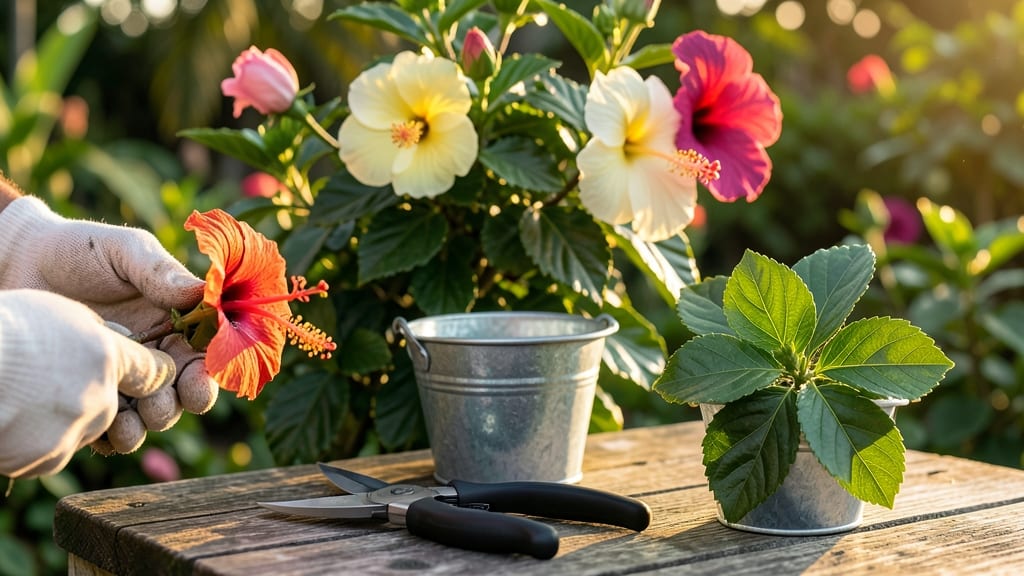
Harvesting hibiscus flowers at the right moment transforms them from gorgeous garden accents into vibrant ingredients for teas, jams, or stunning floral arrangements. The key lies in timing—picking them when their color is deepest and flavor is richest ensures every bloom shines in your creations.
If you’ve ever wondered why some hibiscus flowers look dull or taste bitter after harvest, it’s likely because they weren’t picked at peak maturity.
I’ll show you exactly when to harvest for maximum vibrancy—whether you’re in Zone 6a or a warmer climate—and how to handle them afterward to preserve their beauty and potency.
From identifying the perfect bud to cutting with precision, these steps will help you avoid common mistakes that ruin flowers before they even leave the plant. Whether you’re drying hibiscus for tea or arranging them in a bouquet, the right technique makes all the difference.
Ready to turn your garden’s 🌸 hibiscus into long-lasting blooms? Let’s dive into the best practices for harvesting, storing, and using them—so you can enjoy their full potential all season long.


Best time of day and season to harvest hibiscus flowers for optimal quality
Timing is everything when harvesting hibiscus flowers. Picking them at the wrong moment can leave you with wilted petals or bitter flavors. For the brightest colors and most potent medicinal properties, aim to harvest when petals are fully open but still crisp.
This usually happens in the early morning after dew has evaporated but before the sun peaks.
Hibiscus flowers thrive in warm climates, but even in temperate zones, they produce abundant blooms during peak summer months—typically from July through September in USDA Zone 6a. If you live in a tropical region, you might enjoy year-round harvests, but always check for fully open buds rather than relying on calendar dates.
Morning harvests preserve vibrant colors and maximum antioxidants. Flowers picked in the afternoon may wilt faster due to heat stress. Avoid harvesting after rain, as damp petals bruise easily and lose their delicate texture.
| Factor | Best Practice | Why It Matters |
|---|---|---|
| Time of Day | Early Morning (6-9 AM) | Petals retain moisture and vibrant color. |
| Season | July-September (Zone 6a) | Peak blooming season with highest yield. |
| Weather | Dry, Sunny Days | Avoids fungal growth and bruising. |
| Bud Stage | Fully Open Petals | Ensures maximum flavor and color retention. |
If you're harvesting for culinary uses, like hibiscus tea, pick flowers when they're fully open but still firm to the touch. Overripe flowers may taste bitter. For dried arrangements, harvest slightly younger buds—they hold their shape better during the drying process.
Regional climate plays a role too. In tropical zones, hibiscus may bloom year-round, but summer heat waves can stress plants. Always harvest during cooler morning hours to protect both the plant and your flowers. In cooler climates, focus on late summer when days are longest.
One common mistake is harvesting closed buds in hopes they'll open later. These won't develop full flavor or color. Instead, wait until petals unfurl completely—usually within 24 hours of bud stage. This ensures you get the brightest reds, yellows, or whites possible.
For medicinal uses, like hibiscus-infused oils, harvest flowers when their antioxidant levels peak—typically mid-morning after dew has dried. Store harvested flowers in a paper bag in the fridge for up to 3 days before processing to preserve potency.
Pro tip: Use a sharp pair of pruning shears to avoid damaging stems. Cut just above a leaf node to encourage new growth. This simple technique keeps your hibiscus bushy and productive for years.
Finally, never harvest more than one-third of blooms at once. Over-picking stresses the plant and reduces future yields. Balance your harvest with the plant's needs for long-term success.
Step-by-step harvesting techniques to preserve flower freshness and potency
Harvesting hibiscus flowers at the right stage of bloom ensures vibrant color, rich flavor, and maximum medicinal benefits. I’ve found that morning harvesting between 7 AM and 9 AM yields the freshest petals, as dew has evaporated but the flowers haven’t yet wilted in midday heat.
Use clean, sharp pruning shears or garden scissors to avoid crushing stems. Cut at a 45-degree angle about 1-2 inches below the flower head—this promotes bushier growth and prevents disease by keeping water off the stem.
✂️ Step-by-Step Harvesting Guide
- Step 1: Choose fully open blooms with vibrant petals and a prominent center.
- Step 2: Hold stem firmly and cut at 45° 1-2" below flower.
- Step 3: Remove lower leaves to prevent moisture buildup.
- Step 4: Store in paper towels in the fridge for 3-5 days.
- Step 5: For long-term use, dry in shade or freeze petals.
Avoid harvesting buds that are still closed or flowers past their prime—they’ll lack flavor and color intensity. I’ve noticed that over-harvesting weakens plants, so never take more than 1/3 of blooms from a single plant in one session.
For culinary or medicinal use, immediately rinse petals in cool water to remove dust or pesticides. Pat dry gently with a paper towel—never wring them, as this bruises delicate tissue and shortens shelf life.
If you’re drying hibiscus for tea or crafts, lay petals on a mesh screen in a shady, well-ventilated area for 3-5 days. Store dried flowers in airtight containers away from direct sunlight to preserve their antioxidant properties and vibrant hues.
Pro tip: Harvest every 2-3 days during peak bloom season to encourage continuous flowering. This method keeps your hibiscus bushy and productive all season long!