
How To
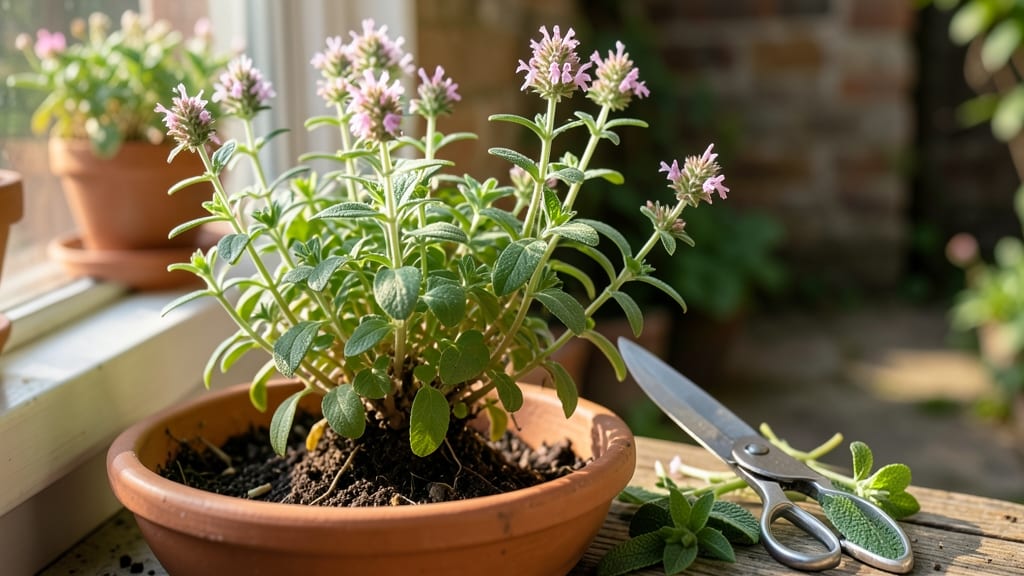
Mastering how to harvest fresh oregano is the key to unlocking bold flavors in your kitchen—without letting your plant turn woody or sparse. The right timing and technique can transform your 🌿 oregano from a seasonal herb into a year-round spice powerhouse, but most gardeners miss the best cues.
Picture this: you’re about to snip a stem, and suddenly you realize the leaves are pale or the plant smells weak. That’s a missed opportunity.
I’ll show you exactly when to harvest—from the first flush of spring growth to the golden days of early fall—so you never waste a single aromatic leaf.
No more guessing whether to cut or wait. You’ll learn the cut-and-come-again method, the secret to keeping your oregano bushy and productive, plus how to store your harvest for months. Whether you’re in USDA Zone 6a or a warmer climate, these steps ensure your oregano stays flavorful and healthy.
Ready to turn your herb garden into a flavor factory? Let’s dive into the simple, science-backed techniques that will change the way you harvest—and taste—your oregano.


When and how to prune oregano for maximum growth and flavor
Timing your oregano harvest is everything—prune too early, and you’ll stunt growth; wait too long, and the flavor fades. The best time to harvest is late spring through early fall, when your plant is actively growing but hasn’t yet flowered.
Flowering signals the end of peak flavor, so snip stems just before buds form for the most aromatic leaves. In USDA Zone 6a, aim for harvests between June and September, aligning with your plant’s natural growth cycle.
Look for these 3 key signs your oregano is ready: 6+ inches tall, vibrant green leaves, and a strong, pungent scent when crushed. If your plant is leggy or sparse, it’s either underwatered or not getting enough sun.
Adjust care immediately—oregano thrives in full sun (6+ hours daily) and well-draining soil. Overcrowding also weakens flavor, so space plants 12-18 inches apart for optimal airflow.
Now, let’s talk pruning technique. The cut-and-come-again method is your secret weapon. Here’s how to do it right:
If your oregano starts looking leggy or sparse, it’s begging for a hard prune. In early spring, cut back 1/3 of the plant to encourage bushier, denser growth.
This also rejuvenates older plants and prevents them from becoming woody and less flavorful. Just remember: never prune in winter—your plant is dormant and won’t regrow well.
For container-grown oregano, follow the same rules but watch for root-bound stress. If you see roots circling the pot, it’s time to repot or trim roots before pruning. Overcrowded roots compete for nutrients, weakening your plant’s ability to bounce back after harvest.
Use a pot with drainage holes and a well-draining potting mix to avoid soggy soil, which can rot roots.
Pro tip: Rotate your harvest sites if you have multiple plants. This prevents soil depletion and ensures even growth. For example, if you harvest the south-facing plant first, wait a few weeks before harvesting the shadier one. This mimics natural light cycles and keeps your oregano thriving year-round.
One common mistake? Harvesting after flowering. Once oregano blooms, the flavor diminishes by 30-50%. The flowers are pretty, but they signal the end of peak harvest season.
Snip them off immediately to redirect energy back to leaf growth. You’ll thank yourself when your next harvest is bursting with flavor.
Finally, fertilize lightly after pruning to support regrowth. Use a balanced 5-10-10 fertilizer at half strength, applied to the soil (not the leaves). This gives your oregano the nutrients it needs to recover quickly and grow denser.
Avoid heavy fertilizers—they can burn roots and lead to salt buildup in the soil.
With these techniques, your oregano will stay lush, flavorful, and productive for years. Happy harvesting! 🌿✂️🌱
Cut-and-come-again method: how to harvest oregano without stunting its growth
Mastering the cut-and-come-again method is the key to harvesting fresh oregano without killing your plant. This technique ensures your oregano bush stays bushy, productive, and flavorful year after year.
The secret? Cutting stems properly while leaving enough foliage for regrowth. I’ve learned that timing and technique make all the difference—especially in Mediterranean climates where oregano thrives.
Start harvesting when your oregano reaches 6-8 inches tall and has 4-6 sets of true leaves. This usually happens 60-90 days after planting, depending on your climate. The best time of day to harvest is in the morning, after dew has dried but before the sun peaks.
This ensures the leaves are fresh and hydrated for the best flavor.
⚠️ WARNING: Avoid these common mistakes that can harm your oregano plant ⚠️
When harvesting, always use clean, sharp pruning shears or scissors to make clean cuts just above a leaf node. This encourages the plant to branch out and grow denser. Avoid cutting into the woody base of the plant, as this can kill the stem and prevent new shoots from forming.
For indoor oregano plants, the cut-and-come-again method works differently. Since indoor plants often grow more slowly, harvest less frequently—about every 4-6 weeks instead of every 2-3 weeks. Rotate your plant quarter-turns daily to ensure even growth and prevent leggy stems.
If your indoor oregano starts looking sparse or leggy, it’s a sign you’re harvesting too much or not providing enough light (6+ hours of full sun).
In temperate climates, adjust your harvesting schedule by the seasons. Spring and early summer are the best times for heavy harvests, while late summer and fall should be lighter to allow the plant to replenish energy before winter.
If you live in a Mediterranean climate, you can harvest year-round, but reduce frequency in hot, dry months to prevent stress.
After harvesting, store your fresh oregano in the fridge for up to 1 week or freeze it in ice cube trays for long-term use. For the best flavor, dry the leaves within 24 hours of harvesting.
The sooner you use or preserve your harvest, the more potent and aromatic your oregano will be! 🌿