
How To
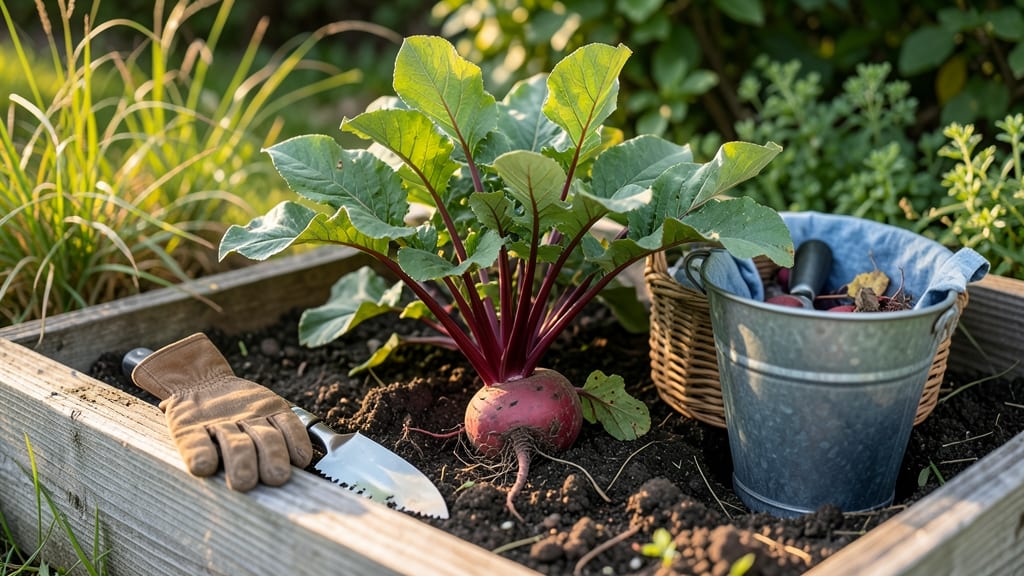
Mastering how to harvest and store beets could be the game-changer for your garden and kitchen—because nothing beats pulling a perfectly sweet 🍠 straight from the soil or enjoying homegrown flavor long after harvest season ends.
Timing is everything when it comes to beets. Harvest too early, and you’ll miss out on their rich, earthy sweetness; leave them too long, and they turn woody and tough. But with the right cues—like leaf color, root size, and soil temperature—you can nail that peak sweetness every time.
Once you’ve pulled them at just the right moment, the challenge shifts to storage. Whether you’re prepping for winter or just want to keep your harvest fresh for weeks, knowing the best methods—from root cellaring to freezing—will save you from wasted effort (and money).
I’ll walk you through everything: when to harvest, how to store them for maximum freshness, and even how to troubleshoot common storage mistakes. Let’s get those beets preserved like a pro!


When and how to harvest beets for maximum sweetness and texture
Timing is everything when harvesting beets—pull them too early, and you’ll get small, underdeveloped roots. Wait too long, and they’ll turn woody and lose their sweetness.
The ideal time to harvest beets is when their roots reach 1 to 3 inches in diameter, typically 50 to 70 days after planting, depending on the variety.
For child beets (smaller, tender varieties like 'Babybeat'), aim for 40 to 50 days and a diameter of 1 inch or less.
Look for vibrant green leaves and bushy foliage as key indicators of readiness. The soil should also feel loose around the roots, making it easy to dig without damaging them.
If the tops are 4 to 6 inches tall and the leaves are deep green, your beets are likely at peak flavor and texture. Avoid harvesting when the weather is extremely hot or cold, as this can stress the plants and affect quality.
🚨 NON-NEGOTIABLE: THE SUMMARY-TABLE ELEMENT 🚨
| Harvest Stage | Root Size | Days to Maturity | Leaf Color | Soil Condition |
|---|---|---|---|---|
| Child Beets | 1 inch or less | 40-50 days | Bright green | Loose, easy to dig |
| Storage Beets | 1-3 inches | 50-70 days | Deep green | Moist but not soggy |
| Over-Mature | 3+ inches | 70+ days | Yellowing or wilting | Hard, woody texture |
To harvest, use a hand fork or trowel to gently loosen the soil around the beet roots. Grasp the leafy tops firmly and pull upward with steady pressure. Avoid twisting or yanking, as this can damage the roots.
Once pulled, shake off excess soil and trim the greens to 1 inch above the root—this helps prevent moisture loss and extends storage life. Save the greens for sautéing or soups, as they’re packed with flavor too!
If you’re growing beets for long-term storage, leave a few in the ground until just before the first frost. Cold weather actually sweetens the roots, making them ideal for winter storage.
However, avoid harvesting in freezing temperatures, as this can cause the roots to crack or rot. Instead, harvest on a cool, dry day when soil temperatures are above 40°F for best results.
For continuous harvesting, plant beets in succession every 2 to 3 weeks during the growing season. This ensures a steady supply of fresh beets and prevents overcrowding, which can lead to smaller, less flavorful roots.
Space your plantings 3 to 4 inches apart and thin seedlings to avoid competition for nutrients.
After harvesting, don’t wash the beets until you’re ready to use or store them. Washing removes the protective wax coating and speeds up spoilage. Instead, store them dry and cool in a paper bag or perforated container to maintain freshness.
If you notice any soft spots or mold, remove those beets immediately to prevent the rest from spoiling.
For deeper flavor, consider letting some beets mature longer—up to 90 days for varieties like 'Chioggia' or 'Cylindra'. These larger roots develop a richer taste and are perfect for roasting or pickling.
Just be mindful that they may become too large for short-term storage, so prioritize these for immediate use or freezing.
Pro tip: If you’re unsure whether your beets are ready, dig up one from the outer rows for a test. This way, you can adjust your harvesting schedule without risking the entire crop.
And remember—smaller beets are often sweeter and more tender, so don’t wait too long if you prefer that texture!
Finally, if you’re harvesting in hot weather, do it early in the morning or late in the evening to avoid wilting. Store them in a cool, dark place (like a root cellar or basement) for up to 2 weeks before processing or long-term storage.
This keeps them crisp and flavorful for your next meal.
Best methods to store fresh-harvested beets for months without spoilage
Storing beets properly can extend their shelf life from weeks to months, but the wrong method ruins their texture and flavor. Whether you want to keep them crisp for salads or preserve their sweetness for winter soups, choosing the right storage technique is key.
Below, I’ll break down the best ways to store beets—from short-term refrigeration to long-term freezing and root cellaring—plus when to avoid certain methods.
For short-term storage (up to 2 weeks), refrigeration is your best bet. Beets thrive in a humid, dark environment, like a crisper drawer, where they stay firm and retain their vibrant color.
However, if you’re planning to store them for months, you’ll need a more advanced approach like root cellaring or freezing. Let’s dive into the pros and cons of each method so you can pick what works best for your harvest.
⚠️ NON-NEGOTIABLE: Always clean beets right before storage—never wash them beforehand, as excess moisture speeds up rot. Use a damp cloth to wipe off dirt, then pat them dry completely.
Storage Method Comparison
✅ No prep needed (just store whole)
❌ Risk of rot if too humid
✅ No freezing required
❌ Risk of spoilage if too wet
✅ Great for cooked or sliced beets
❌ Avoid freezing baby beets (too watery)
For root cellaring, store beets in a moist sand or sawdust mix in a cool, dark basement or root cellar. This mimics their natural growing conditions and keeps them fresh for up to 5 months.
If you don’t have a root cellar, a garage with consistent temperatures works too—just keep them away from direct light or temperature swings.
If you’re prepping beets for freezing, blanch them first to preserve color and texture. Cut into uniform pieces, boil for 90 seconds, then plunge into ice water.
Pack into airtight freezer bags, removing as much air as possible to prevent freezer burn. Baby beets (under 1 inch) freeze poorly due to their high water content, so prioritize freezing larger roots or pre-cooked slices for soups and stews.
No matter which method you choose, label and date your stored beets to track freshness. A simple marker on a bag or container saves time and ensures you use the oldest beets first—because nothing beats pulling a perfectly preserved beet from your pantry months after harvest!