
How To
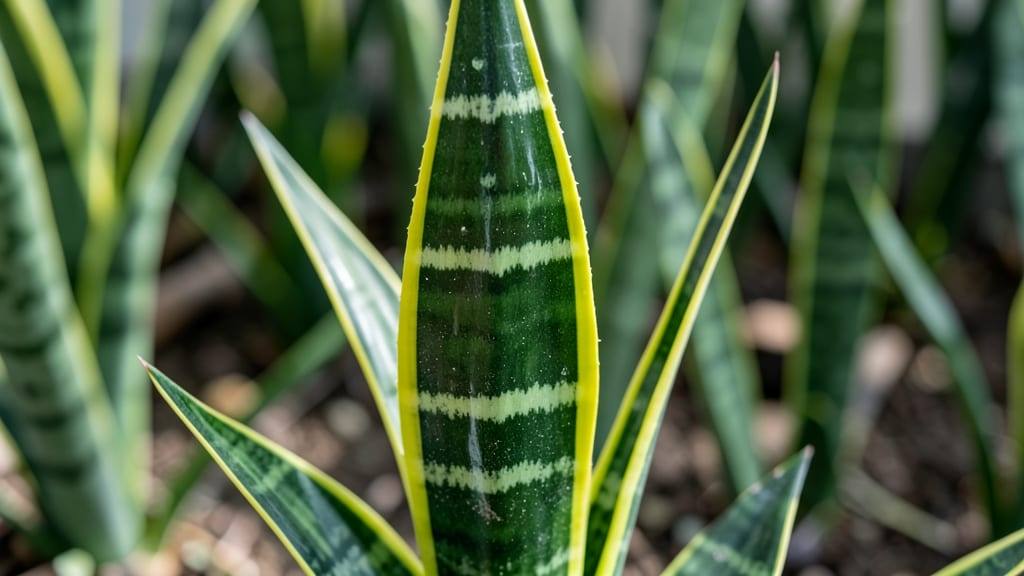
How to grow a tall snake plant starts with patience and the right conditions. 🌱 I’ve watched mine stretch from a stubby 6-inch pup to a 5-foot tower in just three years—no fancy tricks, just consistent care. The key? Mimicking its natural habitat where it thrives on neglect and bright light. Snake plants (Sansevieria trifasciata) are built for vertical growth, but they need well-draining soil and indirect sunlight to reach their full height. Overwatering is the #1 killer—let the soil dry completely between drinks. A terracotta pot helps wick away excess moisture, while a north-facing window or grow light keeps it growing upward without stretching too thin. Once established, your snake plant will reward you with bold, upright leaves that clean the air while adding drama to any corner. The secret to height? Minimal pruning—just trim yellowed tips—and repotting every 2-3 years when roots crowd the container. No fertilizers needed unless you’re pushing rapid growth, but even then, less is more.
📚 In This Guide
- What you need
- Instructions
- Tips and common mistakes
- Wrapping up and next steps
What you need
- ● Snake Plant (Sansevieria): Choose a healthy, mature plant (e.g., Sansevieria trifasciata or Sansevieria cylindrica) with upright growth potential. Size: 6–12 inches tall.
- ● Pot with Drainage Holes: A terracotta or ceramic pot (4–6 inches in diameter) works best. Quantity: 1 per plant (or larger for multiple plants).
- ● Well-Draining Soil Mix: Cactus/succulent mix (or DIY: 50% potting soil + 50% perlite/pumice). Quantity: Enough to fill the pot 2/3 full.
- ○ Watering Can: A spouted can for controlled watering (avoid overhead spraying). Optional: A moisture meter to check soil dryness.
- ○ Gloves: Protect your hands from sharp leaves (optional but handy!).
- ● Pruning Shears: For trimming yellow/brown leaves (sterilized with rubbing alcohol).
- ● Fertilizer (Low-Nitrogen): Balanced liquid fertilizer (e.g., 5-5-5 NPK) or worm castings. Frequency: Every 2–3 months in growing season.
- ○ Support Stake (Optional): A bamboo stake or trellis if your plant leans (e.g., Sansevieria cylindrica).
- ● Grow Lights (Indoor Use): LED grow bulbs (5000K–6500K) for low-light spots.
Step-by-step instructions for growing tall snake plants
Here's my foolproof method for cultivating those striking, towering Sansevieria varieties—no green thumb required.
🪴 Step 1: Select the Perfect Container and Soil Mix
Snake plants thrive in pots with drainage, so choose a 6-8 inch diameter container with drainage holes. I prefer terracotta because it breathes and prevents root rot—critical for these drought-tolerant plants. The soil needs to drain quickly but retain moisture, so blend 2 parts potting mix with 1 part perlite or coarse sand. This creates air pockets that mimic their native, rocky African soil.
Fill the pot about 2/3 full with your mix, then tap gently to settle it without compacting. Pressing too hard creates pockets where moisture pools, inviting fungal issues. Leave 1-2 inches of space at the top for watering—snake plants hate soggy crowns, and this gap prevents overwatering by accident.
🌱 Step 2: Plant Your Snake Plant with Proper Spacing
Snake plants grow from rhizomes, so handle them carefully. Remove the plant from its nursery pot and gently loosen the roots if they're circling. Place it in the center of your container, ensuring the rhizome sits just below the soil line—burying too deep suffocates the plant, while leaving it exposed invites rot. Fill around the roots with your mix, pressing lightly to eliminate air gaps.
For mature plants, space new pups 3-4 inches apart from the mother plant. This prevents overcrowding and gives each growth point room to develop its signature upright form. Water lightly after planting to help the soil settle, but resist the urge to soak—snake plants establish roots best in slightly dry conditions.
☀️ Step 3: Position for Optimal Light and Temperature
Snake plants crave bright, indirect light but tolerate low light better than most houseplants. Place yours within 3-5 feet of a south or east-facing window for ideal growth. If leaves develop a dull, grayish cast, it's a sign of insufficient light—move it closer or supplement with a grow light for 12-14 hours daily.
Keep temperatures between 60-85°F—they handle fluctuations well, but drafts and cold windowsills weaken them. If your home runs cooler, group pots together to create a microclimate that retains warmth. Avoid placing them near vents or air conditioning units, which cause leaf scorch.
💧 Step 4: Water with Precision and Establish a Routine
Snake plants are masters of drought tolerance, so water only when the top 2-3 inches of soil feel completely dry. Stick your finger in—the soil should feel arid and pull away from the pot edges. When you water, soak thoroughly until liquid drains from the bottom holes, then empty the saucer immediately. Overwatering is the #1 killer, and these plants store water in their leaves, making them resilient.
Reduce watering in winter—growth slows, and roots need less moisture. I water mine every 3-4 weeks in cooler months, but adjust based on your home's humidity. If leaves pucker or yellow, it's a cry for water; if they brown at the tips, you're overdoing it. Find that sweet spot, and your snake plant will reward you with steady, dramatic growth.
✂️ Step 5: Prune and Propagate for Long-Term Health
Snake plants rarely need pruning, but remove yellow or brown leaves at the base with clean, sharp scissors. This keeps the plant looking sharp and prevents disease. If a leaf becomes too leggy or damaged, cut it back to the rhizome—new growth will emerge within 4-6 weeks. Avoid cutting healthy leaves unless necessary, as each one contributes to the plant's striking vertical form.
Propagate pups when they develop 3-4 leaves and roots of their own. Gently twist or cut them from the mother plant, then pot them in the same mix. These babies root quickly in warm conditions, so place them in a bright spot and keep the soil lightly moist until established. It's amazing how a single plant can become a small forest with minimal effort.
Tips & tricks for growing towering snake plants
These practical insights will help your snake plants reach their full majestic height with minimal fuss.
Container Selection: Terracotta pots are ideal because they wick away moisture and prevent the root rot that can stunt growth. If you choose plastic, make absolutely certain it has drainage holes—snake plants despise soggy feet. For extra-tall varieties, consider a slightly deeper pot (8 inches deep) to accommodate their expanding rhizome system as they mature. The extra space encourages vertical growth rather than crowding.
Soil Mix Secrets: The 2:1 ratio of potting mix to perlite isn't just a suggestion—it's a science. Perlite creates those crucial air pockets that prevent compaction, which can suffocate roots and limit height potential. I like to add a handful of orchid bark to the mix for even better drainage. This combination mimics their natural habitat and gives your plants room to grow upward rather than outward. Pro tip: Avoid garden soil—it compacts too easily and holds too much moisture.
Light Optimization: The 12-14 hours of grow light mentioned isn't just about basic growth—it's about encouraging that dramatic vertical development. Position your plant within 3-5 feet of a south-facing window for maximum natural light exposure. If you notice leaves developing a yellowish tint near the base, it's a sign they're reaching for more light. Rotate your plant every few weeks so all sides get equal exposure—this prevents leaning and encourages even upward growth throughout the plant's structure.
Watering Wisdom: The finger-in-the-soil test is your best friend here. When you stick your finger in and feel nothing but dryness down to 2-3 inches, that's your cue. But here's what nobody tells you: snake plants actually grow taller when they experience periodic drought stress. This triggers a survival mechanism that sends nutrients to the upper leaves, promoting that signature upward reach. Just don't take it to extremes—wilting means you've gone too far. The key is consistency: same time, same dryness level, every time.
Pro Tips for Grow Tall Snake Plant
- These practical insights will help your snake plants reach their full majestic height with minimal fuss.
- Container Selection: Terracotta pots are ideal because they wick away moisture and prevent the root rot that can stunt growth.
- Soil Mix Secrets: The 2:1 ratio of potting mix to perlite isn't just a suggestion—it's a science.
Frequently asked questions
Got questions about growing a tall, thriving snake plant (Sansevieria)? You’re not alone! Here are answers to the most common queries—so you can keep your plant happy and reaching for the sky.
How fast does a snake plant grow?
A snake plant grows slowly but steadily, typically adding 6–8 inches per year under ideal conditions. Patience is key—this plant thrives on consistency over speed! For faster growth, ensure it gets bright, indirect light and well-draining soil. Overwatering can stunt growth, so let the soil dry out completely between waterings.
Why is my snake plant not growing tall?
If your snake plant is stubbornly short, check these common culprits:
- Lack of light: Move it to a sunnier spot (but avoid harsh afternoon sun).
- Overwatering: Snake plants store water in their leaves—drowning them stresses the roots. Water only when the top 2–3 inches of soil are bone-dry.
- Pot-bound roots: If roots are circling the pot, repot into a slightly larger container with fresh, well-draining soil.
- Poor soil: Use a mix designed for succulents or cacti to prevent compaction.
Can I grow a snake plant from a leaf cutting?
Snake plants propagate easily from leaf cuttings. Here’s how:
- Cut a healthy leaf at the base with clean scissors.
- Let the cutting dry for 1–2 days to callus over.
- Place it in well-draining soil (or water) and keep it in bright, indirect light.
- New roots and pups will sprout in 4–8 weeks!
Is a snake plant safe for pets?
Unfortunately, no. Snake plants are toxic to cats and dogs if ingested, causing nausea, vomiting, or diarrhea. Keep them out of paw’s reach or opt for pet-friendly alternatives like spider plants (Chlorophytum comosum) or parlor palms (Chamaedorea elegans) if you have furry friends.
Can a snake plant survive in low light?
Yes, but with trade-offs. Snake plants are light-adaptable and can survive in low-light conditions, but they’ll grow much slower and may develop longer, thinner leaves (a sign of stretching for light). For a tall, robust plant, aim for bright, indirect light—like near an east-facing window. If your space is dim, supplement with a grow light for 6–8 hours daily.
How often should I water a snake plant?
Overwatering is the #1 killer of snake plants! Water only when the soil is completely dry, typically every 2–4 weeks (less in winter). Stick your finger 2 inches into the soil—if it’s dry, it’s time to water. Pro tip: Use the "soak-and-dry" method: Water thoroughly until it drains from the bottom, then empty the saucer to prevent root rot.
Wrapping up and next steps
Growing a tall, thriving snake plant is all about embracing its low-maintenance nature while providing the right conditions—bright, indirect light, well-draining soil, and occasional watering. With patience and consistency, you’ll soon enjoy its striking height and air-purifying benefits! 🌱✨
Ready to watch your snake plant reach new heights? Start by repotting it in a slightly larger container or propagate those pups to expand your green collection. Happy growing!