
Size
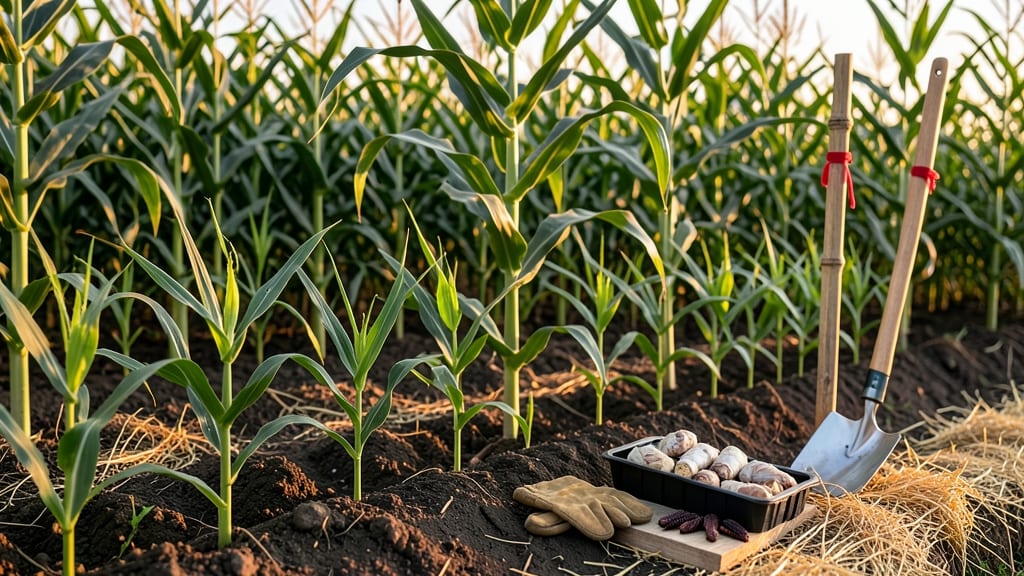
Sweet corn that you grow in the garden will taste like summer in every bite—no grocery store compromise needed. 🌽 I’ve grown sweet corn for years, and the difference between store-bought and homegrown is like comparing cardboard to silk.
The secret? Treating it like the high-maintenance diva it is (but in a good way).
You’ll need rich, well-draining soil, full sun (6+ hours daily), and a little patience—corn takes 90-120 days to mature, but the payoff is worth it.
Plant seeds 1 inch deep, spacing them 4-6 inches apart, and give them room to grow (or install supports for pole varieties). Water consistently—1-2 inches per week—but avoid soggy soil, which invites disease.
By mid-summer, you’ll be pulling 8-inch ears straight from the stalk, still warm from the sun. The kernels will be tender, sweet, and packed with that buttery flavor you can’t find anywhere else. And if you use cages or poles, you’ll save space and make harvesting a breeze.
This works for small gardens, raised beds, or even containers (with dwarf varieties). Let’s get those kernels popping!
📚 In This Guide
- What you need
- Instructions
- Tips and common mistakes
- Wrapping up and next steps
What you need
- ● Sweet corn seeds: 1–2 lbs (depending on garden size; ~1 oz per 10 ft of row)
- ● Recommended varieties: 'Silver Queen,' 'Ambrosia,' or 'Peaches and Cream'
- ● Garden soil: Well-draining, fertile soil with a pH of 6.0–6.8
- ○ Optional: Mix in 2–3 inches of compost or aged manure before planting
- ● Fertilizer: Balanced fertilizer (10-10-10) or corn-specific fertilizer (e.g., 5-10-15)
- ● Apply at planting and again when plants reach knee-high (~6 inches)
- ● Watering supplies: Garden hose with a gentle spray nozzle or drip irrigation system
- ● Watering can (for smaller gardens)
- ● Planting support (if using poles/cages): Poles: 6–8 ft bamboo or wooden stakes (1 per 4–6 plants)
- ● Cages: Pre-made corn cages (5–6 ft tall) or DIY wire mesh (4 ft x 4 ft)
- ● Mulch: Straw, grass clippings, or shredded leaves (2–3 inches thick)
- ● Garden tools: Trowel or hand shovel
- ● Garden rake
- ● Pruners (for removing dead leaves or pests)
- ● Row covers: Lightweight fabric to protect seedlings from pests or frost
- ● Corn companion plants: Beans, peas, or marigolds (plant alongside for natural pest control)
- ● Soil tester kit: To check pH and nutrient levels before planting
- ● Organic pest control: Neem oil or insecticidal soap (for aphids or corn earworms)
- ● Harvest basket or bucket: For easy corn-on-the-cob transport to the kitchen!
Step-by-Step instructions for planting sweet corn in your garden
Sweet corn thrives with the right timing, spacing, and support—here’s my foolproof method for pole or cage varieties.
🌱 Step 1: Choose the Right Location and Prepare the Soil
Sweet corn demands full sun (at least 6-8 hours daily) and rich, well-draining soil with a pH between 6.0 and 6.8. I always test my soil first—corn is heavy feeders and won’t forgive poor nutrition. Work in 2-3 inches of compost or aged manure at least 2 weeks before planting to let nutrients settle.
Break up any compacted soil with a garden fork to a depth of 12 inches. Corn roots need room to spread, and aeration prevents waterlogging. If your soil drains poorly, mix in sand or perlite to improve texture. The goal is loose, crumbly soil that holds moisture but doesn’t stay soggy.
🌱 Step 2: Plant Seeds at the Correct Depth and Spacing
For pole or cage varieties, plant 1-2 seeds per hill (mound) spaced 12 inches apart in rows. Rows should be 30-36 inches apart to allow for easy cultivation and airflow. Press seeds 1 inch deep—any deeper delays germination, and shallower planting risks drying them out.
I like to use a seed spacing tool or my fingers to mark planting spots in a grid pattern. This ensures even growth and makes thinning easier later. After planting, gently firm the soil around the seeds with your palm to eliminate air pockets. Water lightly to settle the soil without disturbing the seeds.
☀️ Step 3: Provide Consistent Moisture and Support
Keep the soil evenly moist (not soggy) until germination, which takes 7-14 days depending on temperature. Once sprouts appear, water 1 inch per week, focusing on the roots. Sweet corn is shallow-rooted, so mulch with straw or grass clippings to retain moisture and suppress weeds.
For pole varieties, install 5-6 foot tall stakes or cages at planting time—corn grows fast, and retrofitting support later risks damaging the plants. Secure the stalks to the support as they grow to prevent leaning. If using cages, place them 6 inches from the plant to avoid crowding.
✂️ Step 4: Thin Seedlings and Monitor for Pests
When seedlings reach 4-6 inches tall, thin to one strong plant per hill. Snip the weaker stalk at ground level with scissors—pulling risks disturbing roots. You’ll know you’ve thinned correctly when plants stand 12 inches apart with no competition for nutrients.
Watch for corn earworms and aphids—cover plants with lightweight row fabric at night if pests are present. I also rotate varieties yearly to disrupt pest cycles. Fertilize with a balanced 10-10-10 formula when tassels appear (the pollen-producing stalks) to boost ear development.
🌿 Step 5: Harvest at Peak Sweetness
Sweet corn reaches peak flavor when silks turn brown and kernels are milky white when pierced with a fingernail. Harvest in the morning for maximum sweetness—ears continue converting sugars to starches once picked. Use a sharp knife to cut stalks 6-8 inches above the ear to avoid damaging the plant.
Store harvested ears in the fridge for 3-5 days or blanch and freeze for long-term use. If you miss the window, leave ears on the stalk—they’ll dry down into dent corn, but the flavor won’t be as sweet. Pole varieties often produce secondary ears later in the season, so keep an eye out for new tassels!
Tips & tricks for perfect sweet corn growth
Sweet corn doesn't just grow—it thrives when you nail these key details. Here's what I've learned after years of trial and error in my own garden.
Soil Preparation Secret: The 2-3 inches of compost you work in during Step 1 should be well-aged—fresh manure can burn tender roots. I test my soil pH first (using a simple kit from the garden center) to ensure it's in that 6.0-6.8 range. If your soil tests too acidic, add crushed limestone gradually over several months. The goal is loose, crumbly soil that holds moisture without becoming waterlogged—think of it as creating a perfect sponge for those hungry roots.
Planting Precision: When you're planting those 1-2 seeds per hill in Step 2, here's my trick: use a stick to make a small hole just 1 inch deep, then place your seeds side by side. This ensures proper spacing even if you're planting in less-than-perfect rows. After planting, I press the soil gently with my palm to eliminate air pockets—this prevents the seeds from drying out during germination. Remember, those 7-14 days of germination are critical, so don't let moisture fluctuations stress your seeds.
Support System Strategy: For pole varieties, installing those 5-6 foot stakes in Step 3 is non-negotiable. I like to use bamboo stakes because they're sturdy and biodegradable. Place them 6 inches from the plant and secure the stalks with soft plant ties as they grow. The key is to tie loosely—you want to guide growth, not restrict it. I've seen too many gardeners wait until the plants are already leaning before adding support, which often leads to broken stalks.
Harvest Timing Technique: That morning harvest in Step 5 is your golden window. I test sweetness by piercing a kernel with my fingernail—if it's milky white, it's ready. Pro tip: Harvest when silks turn brown but haven't completely dried out. For maximum yield, cut the stalk 6-8 inches above the ear to preserve the plant's energy for potential secondary ears. And here's what nobody tells you—pole varieties often produce a second ear about 2 weeks after the first, so keep watching for new tassels!
Pro Tips for Grow Sweet Corn In Garden
- Sweet corn doesn't just grow—it thrives when you nail these key details.
- Soil Preparation Secret: The 2-3 inches of compost you work in during Step 1 should be well-aged—fresh manure can burn tender roots.
- Planting Precision: When you're planting those 1-2 seeds per hill in Step 2, here's my trick: use a stick to make a small hole just 1 inch deep, then place your seeds side by side.
Frequently asked questions
Got questions about growing sweet corn? You’re not alone—this starchy superstar can be tricky for beginners! Below, we tackle the most common concerns to help you grow a thriving crop with confidence.
How long does sweet corn take to grow from seed to harvest?
Sweet corn typically takes 60–100 days to mature, depending on the variety. Early-season types (like ‘Silver Queen’) may be ready in as little as 60 days, while heirloom or super-sweet varieties can take closer to 3 months. Check your seed packet for the exact days-to-maturity (DTM) and plant accordingly!
When is the best time to plant sweet corn?
Sweet corn thrives in warm soil (at least 60°F). Plant seeds 1–2 weeks after your last frost date in spring, or wait until soil temps stabilize. For a fall harvest, sow seeds 90–120 days before your first frost. Pro tip: Corn loves consistency—avoid planting when nighttime temps dip below 50°F!
What are the most common pests and diseases affecting sweet corn?
Watch for corn earworms, Japanese beetles, and corn rootworms, which can devastate ears. Diseases like gray leaf spot or fungal blights thrive in wet conditions. Prevent pests with row covers early on, rotate crops yearly, and remove debris after harvest. If issues arise, neem oil or insecticidal soap can help!
Can I grow sweet corn in containers or small spaces?
Yes! Use large pots (at least 12–18 inches deep) or raised beds for dwarf varieties like ‘Sweet Baby’. For pole corn or cages, opt for 5-gallon buckets or tall containers (18+ inches deep). Just ensure 3–4 inches of soil depth per plant and place containers in full sun. Compact varieties like ‘Bodacious’ are perfect for small gardens!
Why is my sweet corn turning tough or starchy instead of sweet?
Corn loses sweetness if harvested too late or exposed to heat stress. Super-sweet varieties (like ‘Ambrosia’) are most affected—pick them 17–24 days after silking. If temps exceed 85°F, harvest earlier or opt for shade cloth. Pro tip: Test sweetness by tasting a kernel—if it’s starchy, it’s past its prime!
Wrapping up and next steps
Growing sweet corn in your garden is a rewarding journey that combines patience, care, and a little creativity—whether you choose pole corn for vertical space-saving or cages for sturdy support. With the right soil, sunlight, and timing, you’ll soon enjoy crisp, juicy kernels straight from your backyard! 🌽✨
Ready to take the next step? Start small—plant a few rows this season, experiment with varieties, and watch your harvest grow. Before you know it, you’ll be sharing fresh corn on the cob with friends and family. Happy planting! 🌱💚