
Size
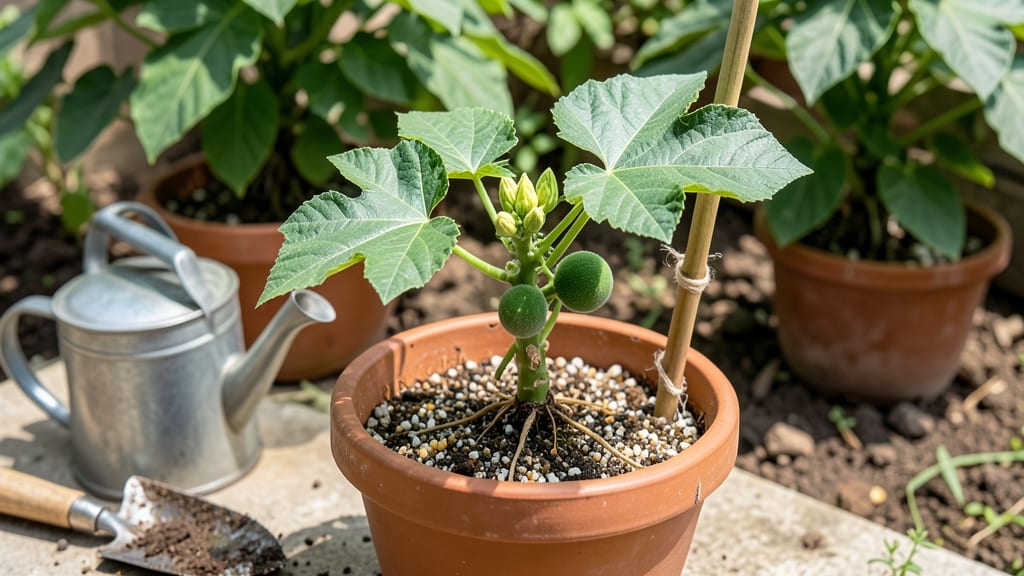
How to grow papaya plants in pots and enjoy tropical fruit on your balcony—no yard required! 🌿 I’ve turned my small patio into a papaya-producing oasis, proving that even limited space can yield sweet rewards. The secret lies in matching your container to the plant’s fast-growing nature and heat-loving roots.
Start with a 5-gallon minimum pot (bigger is better for fruit production), well-draining soil mix, and full sun—at least 6+ hours daily. Papayas need warmth year-round, so move them indoors near a sunny window when temps drop below 55°F.
Overwatering is the #1 killer, so let the top inch dry before watering again.
By summer, you’ll see those signature papaya flowers (male and female on separate plants—hand-pollinate for fruit!). With regular feeding every 4-6 weeks and proper pruning, you’ll harvest 1-3 fruit per plant in containers. The sweet, orange flesh is worth every bit of patience.
Works for apartments, patios, or greenhouses—just avoid drafts and cold snaps. Here’s how to keep your papaya thriving in limited space without sacrificing yield.
📚 In This Guide
- What you need
- Instructions
- Tips and common mistakes
- Wrapping up and next steps
What you need
- ● Container: A 5-gallon pot or larger (minimum 12" deep and wide) with drainage holes (2-3 pots per plant for dwarf varieties). Use fabric grow bags or plastic pots with saucers.
- ● Well-draining potting mix: A blend of 50% coconut coir or peat moss, 30% perlite or vermiculite, and 20% compost (avoid garden soil—it compacts!).
- ● Papaya seeds: Fresh seeds from a ripe papaya (or buy organic, non-GMO seeds online). 1-2 seeds per pot (thin to the strongest seedling).
- ● Fertilizer: Balanced liquid fertilizer (e.g., 10-10-10) for early growth.
- ● High-potassium fertilizer (e.g., 5-10-10) once flowering begins.
- ● Support structure: A bamboo stake or trellis (3-4 ft tall) to train the vine as it grows.
- ● Watering can or hose with a gentle nozzle: Papayas hate soggy roots!
- ● Pruning shears: Small, sharp scissors for trimming excess leaves or dead growth.
- ● Grow lights (if indoors or in low-light areas).
- ● Mulch (e.g., straw or shredded leaves) to retain moisture.
- ● Humidity tray (for dry climates).
- ● Slow-release fertilizer pellets for convenience.
- ● Plant food additives like seaweed extract for a growth boost.
Step-by-step instructions for growing papaya plants in pots
Here's how to cultivate tropical papaya trees in containers—no greenhouse required.
🪴 Step 1: Choose the Right Container and Soil Mix
Papayas need 10+ gallon containers per plant to accommodate their sprawling root systems. I use fabric grow bags because they prevent root circling and allow excess moisture to evaporate. Make sure the pot has multiple drainage holes—papayas hate soggy roots.
Fill the container with a well-draining mix of 60% potting soil, 30% perlite, and 10% coconut coir. This blend mimics their native tropical soil while preventing compaction. Avoid garden soil—it compacts in pots and suffocates roots. Moisten the mix until it feels like a damp sponge, squeezing gently to test moisture.
🌱 Step 2: Plant Seeds or Transplants at the Correct Depth
Papaya seeds germinate best when planted ½ inch deep in the soil. If using seeds, soak them in warm water for 24 hours first—this softens the hard outer shell and speeds up germination. I plant 2-3 seeds per pot to increase success odds, but thin to the strongest seedling later.
For transplants, dig a hole twice as wide as the root ball and place the plant so the top of the root ball sits just below the soil surface. Tap the pot gently to settle the soil around roots, then water deeply until moisture runs out the drainage holes. This ensures no air pockets remain around delicate roots.
☀️ Step 3: Provide Warmth, Humidity, and Bright Light
Papayas thrive in 75-85°F temperatures and need full sun (6+ hours daily). Place your pots in the sunniest spot—a south-facing balcony or patio works best. If indoors, supplement with a grow light kept 12-18 inches above the plant for 14-16 hours daily. Without enough light, stems stretch weakly and leaves pale.
Maintain 60-70% humidity by misting leaves daily or placing the pot on a pebble tray filled with water. You’ll know humidity is right when leaves stay glossy without dripping. Avoid cold drafts—papayas wilt dramatically in temperatures below 60°F. A small space heater near the pot in winter keeps roots warm.
💧 Step 4: Water Deeply and Fertilize for Fruit Production
Water when the top 2 inches of soil feel dry—papayas need consistent moisture but despise soggy conditions. I water deeply until water flows freely from drainage holes, then let excess drain completely. Overwatering causes root rot, which kills plants within days. Yellowing leaves often signal overwatering or poor drainage.
Start fertilizing 4 weeks after planting with a balanced liquid fertilizer (10-10-10) diluted to half strength. Apply every 2 weeks during growing season. Once flowers appear, switch to a high-potassium fertilizer (5-10-15) to encourage fruit set. Papayas are heavy feeders—skip fertilization, and you’ll get leaves but no fruit.
✂️ Step 5: Prune and Support for Fruit Development
When your papaya reaches 3-4 feet tall, prune the lower leaves to improve air circulation and prevent disease. Remove any suckers (side shoots) that form at the base—they drain energy from fruit production. I also install a bamboo stake or trellis to support the plant as it grows, tying the main stem loosely with soft twine.
Papayas are self-pollinating, but you can hand-pollinate for better fruit set. Use a small paintbrush to transfer pollen from male to female flowers (female flowers have a small papaya-shaped bulb at the base). Harvest fruit when it ripenes to a bright orange-yellow and yields slightly to gentle pressure. Unripe papayas are hard and green.
Tips & tricks for perfect papaya growth in containers
Here's what I've learned after growing papayas in pots for years—these details make all the difference in tropical success.
Container Selection: Fabric grow bags are my top recommendation for papayas because they allow roots to breathe while preventing the dreaded root circling that stunts growth. If you must use plastic, choose containers with 10+ gallons and add extra drainage holes—papayas will forgive many mistakes, but waterlogged roots won't. I've seen plants thrive in ceramic pots with proper drainage, but they require more frequent watering to prevent moisture evaporation from the porous material.
Germination Hack: That 24-hour warm water soak for seeds isn't just helpful—it's essential. I've tried planting dry seeds and watched them take weeks to sprout, if they sprouted at all. The warm water softens that tough outer shell while jumpstarting metabolic activity. Pro tip: Use water between 85°F-90°F for best results, and keep the seeds in a warm, dark place during germination. A sunny windowsill won't cut it—they need consistent warmth.
Lighting Strategy: The 14-16 hours of light requirement isn't just about duration—it's about intensity. If you're supplementing with grow lights, position them 12-18 inches above the plant and use full-spectrum bulbs. I've had success with LED grow lights on timers, but fluorescent lights work too if placed closer. Watch for "leggy" growth—stems stretching toward light means you need more intensity or longer exposure. Rotate your pots weekly so all sides get even light.
Fertilization Timing: The 4-week wait before first fertilization might seem long, but it gives roots time to establish without burning them. I've made the mistake of fertilizing too early and watched plants wilt from nutrient shock. Once you start, stick to the 2-week schedule—papayas are heavy feeders, but too much fertilizer causes salt buildup that damages roots. When flowers appear, switch to high-potassium fertilizer immediately; this is when most growers see fruit drop if they haven't adjusted nutrition.
Pro Tips for Grow Papaya Plants In Pots
- Here's what I've learned after growing papayas in pots for years—these details make all the difference in tropical success.
- Container Selection: Fabric grow bags are my top recommendation for papayas because they allow roots to breathe while preventing the dreaded root circling that stunts growth.
- Germination Hack: That 24-hour warm water soak for seeds isn't just helpful—it's essential.
Frequently asked questions
Got questions about growing papayas in pots? You’re not alone! Here are some of the most common concerns—and their solutions—to help you cultivate a thriving tropical harvest, even in small spaces.
Can papaya plants grow well in pots long-term?
Yes! Papayas thrive in pots as long as you choose a large enough container (at least 15–20 gallons) with proper drainage. However, they may produce fewer fruits than in-ground plants. Prune regularly and fertilize monthly to maximize yield. For dwarf varieties like Solo, pot growth works beautifully for years!
How long does it take for papaya plants to bear fruit in pots?
Papayas grown in pots typically take 12–18 months to bear fruit, depending on the variety and growing conditions. Dwarf varieties may fruit slightly faster (around 9–12 months). Patience is key—ensure your plant gets full sun (6+ hours/day) and consistent warmth (above 60°F/15°C) to speed up the process.
What’s the best temperature range for potted papayas?
Papayas are tropical and love warmth! Keep your pots in temperatures between 70–90°F (21–32°C) for optimal growth. If temperatures drop below 50°F (10°C), move your plant indoors or to a greenhouse. Cold stress can stunt growth or even kill the plant—so avoid drafts and use a heat mat if needed.
Can I grow papaya from store-bought fruit?
Save the seeds from a ripe papaya, rinse them, and plant them ½-inch deep in moist potting mix. Germination takes 2–4 weeks in warm conditions. For faster results, soak seeds in warm water overnight first. Just note: Store-bought seeds may not be true to the parent plant’s variety, so expect surprises!
What pests should I watch for in potted papayas?
Common pests include aphids, spider mites, and mealybugs. Inspect leaves regularly for sticky residue or tiny webs. Treat mild infestations with neem oil or insecticidal soap. For severe cases, isolate the plant and use a systemic insecticide. Prevention tip: Keep your pot’s drainage holes clear to avoid fungal issues like root rot!
Wrapping up and next steps
Growing papaya in pots is totally doable—even if you’re working with limited space! 🌱 With the right container, soil mix, sunlight, and care, you can enjoy sweet, tropical fruit right at home. Start small, stay patient, and soon you’ll be harvesting your own juicy papayas.
Ready to take the next step? Pick a sunny spot, grab your supplies, and plant that seedling today! Your future harvest is waiting!