
Size
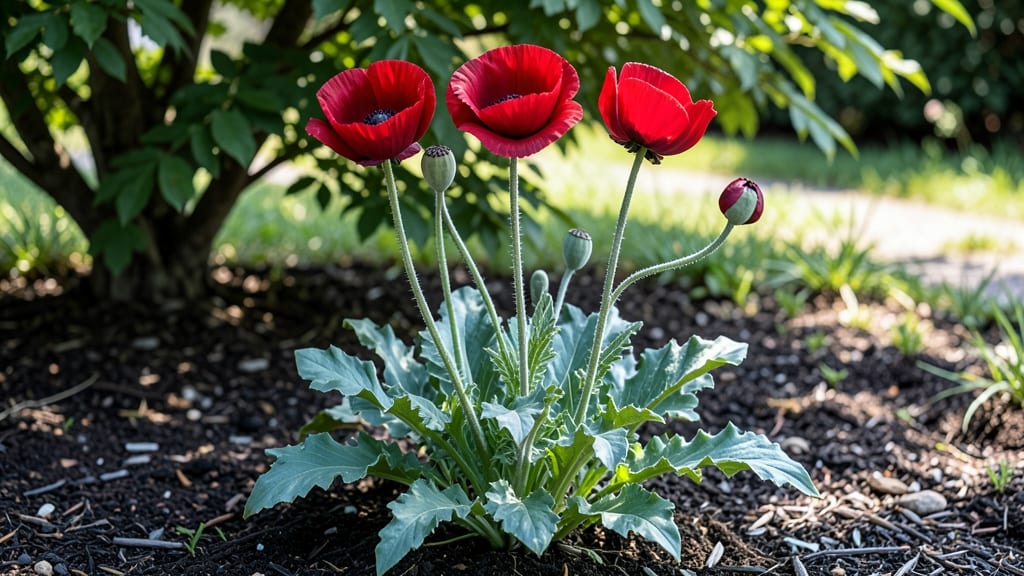
Oriental poppies are the jewel-toned blooms that steal the show—here’s how to grow these dramatic flowers. 🌸 I’ve grown these showstopping plants for years, and they’re the secret weapon for adding height and drama to any garden—even mine, which started as a patch of weeds and a dream.
The key to success? Well-draining soil and patience—these beauties take time to establish but reward you with 6-foot-tall stems topped with cup-shaped flowers in shades of red, pink, and white. Plant seeds in fall for spring blooms, or start indoors in early spring if your zone has harsh winters.
Once established, they’re nearly carefree: water only when the top inch of soil feels dry, and watch for powdery mildew in humid summers. Deadhead spent blooms to encourage more flowers, and prepare for the gasps when neighbors see your showstopper stems in late spring.
Perfect for cottage gardens, cutting gardens, or even container growing with the right support. Here’s how to get started without the guesswork!
📚 In This Guide
- What you need
- Instructions
- Tips and common mistakes
- Wrapping up and next steps
What you need
- ● Oriental poppy seeds: Choose Papaver orientale varieties (e.g., 'Peach Blush,' 'Black Cowboy,' or 'Pink Dream'). Buy from a reputable seed supplier for freshness.
- ● Well-draining potting mix: A blend of 50% garden soil, 30% perlite or coarse sand, and 20% compost works best. Avoid heavy clay.
- ● Containers or garden bed: Seedlings: 3–4 inch pots (or biodegradable peat pots) for individual plants.
- ● Mature plants: Full sun exposure (6+ hours daily) in a loose, rocky soil bed with a pH of 6.0–7.5.
- ● Slow-release fertilizer: A 10-10-10 or 5-10-10 blend (apply lightly at planting and mid-season).
- ● Mulch: 2–3 inches of gravel or pebbles to retain moisture and prevent rot (critical for oriental poppies!).
- ● Hand trowel (for transplanting seedlings).
- ● Spray bottle (for gentle seedling watering).
- ● Pruners or shears (to deadhead spent blooms and encourage reblooming).
- ○ Stakes or supports (optional, for tall varieties like 'Black Cowboy' to prevent flopping).
- ○ Fungicide (optional, for damp climates to prevent powdery mildew).
- ● Garden gloves (to protect hands from prickly seedpods!).
Step-by-step instructions for growing oriental poppies
Here’s how to coax these showstopping blooms from finicky seeds into thriving garden stars.
🌱 Step 1: Start Seeds Indoors for Best Results
Oriental poppies (Papaver orientale) demand patience—start seeds indoors 8-10 weeks before your last frost date. Use small seed-starting trays with sterile, well-draining mix (never garden soil). The key is moisture without sogginess: water the mix until damp but not dripping, then scatter seeds on the surface—they need light to germinate. Press lightly with your thumb, but don’t bury them.
Cover the tray with plastic wrap to retain warmth and humidity, then place it in a consistent 65-70°F environment. A seedling heat mat helps if your home runs cooler. Germination takes 14-21 days, but don’t rush—poppies resent disturbance. Once sprouts appear, remove the wrap immediately to prevent damping-off.
☀️ Step 2: Provide Gentle Light and Prevent Leggy Growth
Poppy seedlings crave bright, indirect light from day one. A south-facing window works, but supplement with a grow light if natural light is weak. Position the light 2-3 inches above the seedlings and keep it on for 14-16 hours daily. Without enough light, stems stretch painfully thin—a sure sign of legginess.
When the first true leaves (not the initial cotyledons) appear, fertilize lightly with a balanced, water-soluble fertilizer diluted to half strength. Poppies are sensitive to over-fertilizing, so err on the side of caution. Harden off seedlings 10-14 days before transplanting by gradually exposing them to outdoor conditions.
🪴 Step 3: Transplant to the Garden at the Right Time
Choose a sunny, sheltered spot with well-draining soil—poppies despise soggy roots. Amend heavy clay with compost and coarse sand to improve drainage. Transplant seedlings outdoors after the soil warms to 55°F and nighttime temperatures stay above 40°F. Space plants 2-3 feet apart to allow for their bold, ruffled blooms.
Water deeply at transplanting, then let the soil dry slightly between waterings. Oriental poppies are drought-tolerant once established, but young plants need consistent moisture. Mulch lightly with straw or shredded leaves to retain soil moisture and suppress weeds—just keep mulch 2 inches away from stems to prevent rot.
✂️ Step 4: Deadhead and Support for Long-Lasting Blooms
As flowers fade, deadhead spent blooms immediately to encourage more flowers. Poppies are biennials or short-lived perennials, so this step extends their show for years. Stake tall varieties (like ‘Beauty of Livermere’) with 6-inch stakes at planting to prevent flopping in wind or rain.
After the first bloom cycle, cut back foliage by half to rejuvenate the plant. Oriental poppies often go dormant in midsummer—don’t panic. Water sparingly during dormancy, then resume normal care as fall approaches. Divide clumps every 3-4 years in early spring to prevent overcrowding and maintain vigor.
Tips & tricks for growing oriental poppies
Here's what I learned after years of growing these dramatic blooms—tricks that turn finicky seeds into garden showstoppers.
Lighting Strategy: Oriental poppies are light-demanding from day one. Position your seed trays within 2-3 inches of a grow light on a 14-16 hour cycle, even if using natural light. I've seen seedlings stretch like overgrown noodles when light is insufficient—trust me, you'll regret rushing this step. The key is maintaining that consistent 2-3 inch distance as they grow, adjusting the light height weekly.
Temperature Timing: Those 65-70°F germination temps are non-negotiable, but here's the secret: place your seed trays on a seedling heat mat during cooler evenings to maintain consistency. I've had germination rates drop dramatically when nighttime temps dipped below 60°F—especially in spring when days warm but nights stay chilly. A simple heat mat solves this perfectly without complicated setups.
Transplanting Caution: When moving seedlings outdoors after the 10-14 day hardening period, do it gradually over 3-4 days rather than all at once. Start with just 1-2 hours of outdoor exposure on day one, increasing by 1-2 hours daily. I've lost entire batches by shocking seedlings with full sun exposure too soon—they simply wilt and refuse to recover. Patience here pays off with stronger, more resilient plants.
Soil Science: The well-draining mix requirement isn't just about drainage—it's about preventing that dreaded "poppy rot" that can kill seedlings overnight. Mix equal parts sterile seed-starting mix with perlite or coarse sand (about 20% perlite) for perfect drainage. I've had the best success with a blend that holds just enough moisture to keep seeds damp but allows excess to drain freely within minutes.
Pro Tips for Grow Oriental Poppies
- Here's what I learned after years of growing these dramatic blooms—tricks that turn finicky seeds into garden showstoppers.
- Lighting Strategy: Oriental poppies are light-demanding from day one.
- Temperature Timing: Those 65-70°F germination temps are non-negotiable, but here's the secret: place your seed trays on a seedling heat mat during cooler evenings to maintain consistency.
Frequently asked questions
Got questions about growing Oriental poppies? You’re not alone—these stunning flowers can be finicky but rewarding! Here are answers to the most common queries to help you cultivate showstopping blooms with confidence.
How long does it take for Oriental poppies to grow from seed?
Patience is key! Oriental poppies usually take 90–120 days to bloom from seed. Start indoors 8–10 weeks before your last frost, or sow directly in spring after soil warms to 50°F (10°C). Early varieties may flower sooner, but most reward you with bold blooms in mid-to-late summer.
Can Oriental poppies survive winter?
In USDA Zones 5–9, these perennials can overwinter, but they’re not cold-hardy. Mulch heavily in fall to protect roots, and avoid soggy soil. In colder climates (Zones 3–4), treat them as annuals or lift tubers after foliage dies back. With care, they may return for 2–3 years!
Why aren’t my Oriental poppy seeds germinating?
Oriental poppy seeds need light and warmth to sprout. Try these fixes:
- Stratification: Mix seeds with damp sand and refrigerate for 4–6 weeks before planting.
- Surface sow: Press seeds lightly into soil—they hate being buried.
- Consistent moisture: Keep soil damp (not soggy) and warm (60–70°F/15–21°C).
What’s the best way to deadhead Oriental poppies?
Deadheading extends the blooming season but must be done carefully! Snip spent blooms just above the first set of leaves (never cut into the seed pod—it signals the plant to stop flowering). Use clean shears, and avoid over-pruning. For longer stems, leave a few blooms to self-seed naturally.
Are Oriental poppies toxic to pets or humans?
Good news: Oriental poppies (Papaver orientale) are non-toxic to both pets and humans. However, their milky sap can irritate skin—wear gloves when handling plants. Always double-check with your vet if you suspect ingestion, but these beauties are generally safe for gardens with curious cats or kids!
Wrapping up and next steps
Growing oriental poppies is a rewarding journey that brings bold, vibrant blooms to your garden with minimal fuss! 🌸 Whether you’re a beginner or seasoned gardener, their striking colors and unique papery petals make them a showstopper worth the effort.
Start small—plant a few seeds this season, and soon you’ll be enjoying their dramatic charm year after year.
Ready to dive in? Pick your favorite variety, grab your supplies, and get those seeds in the soil—your future garden masterpiece is just a few steps away! 🌱