
Size
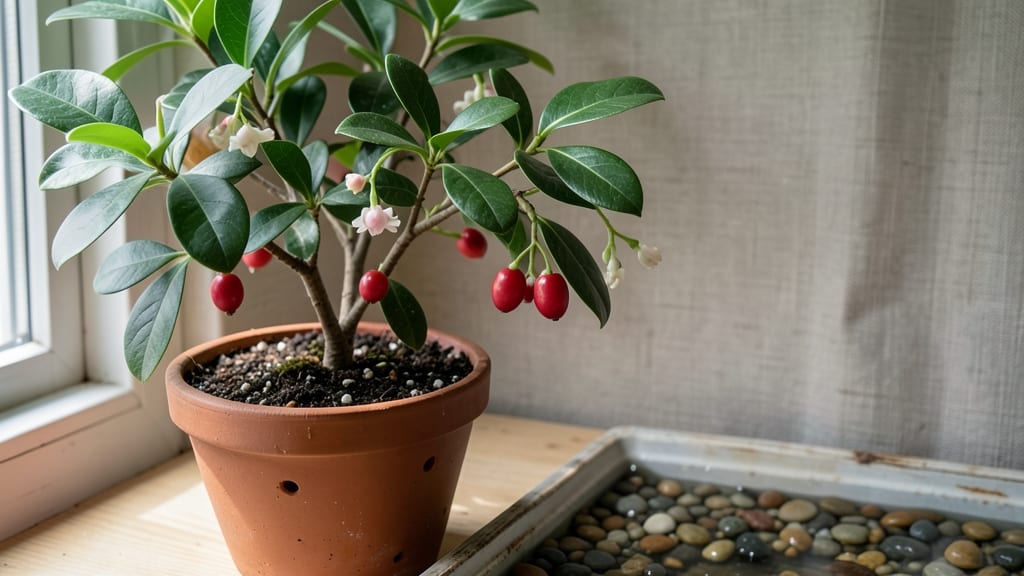
Your first taste of strawberries as pineapple could change everything. 🌱 Miracle fruit (Synsepalum dulcificum) grows surprisingly well in home gardens, turning sour into sweet for hours—if you get the conditions right. I’ve grown mine from seed and cuttings, and the key is patience with this tropical oddity.
This vine thrives in warm, humid conditions (think zone 10-11 or a greenhouse elsewhere). It needs well-draining soil—a mix of peat, perlite, and compost works best—and bright, indirect light.
Water when the top inch of soil dries, but avoid soggy roots. Propagation from cuttings is easier than seeds, though seeds let you experiment with flavors.
By summer, you’ll see glossy leaves and tiny white flowers leading to bright red berries. The magic happens when you eat one: suddenly, lemons taste like candy.
Harvest when fully red, and store in the fridge for up to a week. Just don’t overdo it—too much can make your mouth numb for hours!
Common challenges? Slow growth (normal for young plants) or leaf drop (check humidity). With the right care, this quirky plant will reward you with flavor magic—and maybe a few surprised dinner guests. Ready to try?
📚 In This Guide
- What you need
- Instructions
- Tips and common mistakes
- Wrapping up and next steps
What you need
- ● Miracle fruit seeds – 3–5 seeds (ensure they’re fresh or sourced from a reputable supplier).
- ● Well-draining potting mix – 5–10 gallons (use a blend of peat moss, perlite, and coconut coir for aeration).
- ● Pot or container – 12–18 inches deep with drainage holes (terracotta or plastic works).
- ● Grow lights or sunny windowsill – 6+ hours of indirect light daily (or a 12-hour LED grow light for indoor setups).
- ● Misting spray bottle – For maintaining humidity (especially during germination).
- ○ Humidity dome or plastic wrap – Optional but helpful for seedling protection.
- ● Fertilizer – Balanced liquid fertilizer (10-10-10 or 20-20-20, diluted to half-strength) for mature plants.
- ● Pruning shears – Small, sharp pair for trimming leggy growth.
- ● Warmth – Ideal temperatures: 70–85°F (21–29°C). Avoid drafts or cold windowsills.
- ● Patience – Germination can take 2–4 weeks (or longer!), and fruiting may take 1–3 years.
- ● Space – Mature plants reach 6–10 feet tall indoors (prune to control size).
- ● Consistency – Keep soil slightly moist (not soggy) and avoid overwatering.
- ● Soil moisture meter – To track hydration levels.
- ● Support stake or trellis – For heavier branches as the plant grows.
- ● Compost or worm castings – Boosts soil fertility for faster growth.
- ● Growth regulator (like seaweed extract) – Encourages bushier, fruitier plants.
Step-by-step instructions for cultivating Synsepalum dulcificum
Here's how I've successfully grown miracle fruit from seed to fruiting—no tropical greenhouse required.
🌱 Step 1: Germinate Seeds in Warm, Moist Conditions
Start with fresh seeds—older seeds lose viability quickly. Place them between two damp paper towels in a sealed plastic bag. Keep the bag in a warm spot (75-85°F) where it stays consistently humid. You'll see tiny white roots emerge in 7-14 days—that's your signal to plant.
Fill a 4-inch pot with well-draining potting mix (equal parts peat moss, perlite, and coconut coir). Plant the germinated seed ½ inch deep, pressing gently but not compacting. Water lightly until the surface feels damp but not soggy. Cover the pot with a clear plastic dome to maintain humidity.
☀️ Step 2: Provide High Humidity and Bright Indirect Light
Miracle fruit thrives in 70-80% humidity—mimic its tropical habitat with a humidifier or pebble tray. Place the seedling under bright, indirect light (east or west window). Avoid direct sun at first—young leaves scorch easily. You'll notice new leaves developing in 4-6 weeks that are glossy and deep green.
Rotate the pot quarter-turn weekly so the plant grows straight. When the seedling reaches 6 inches tall, remove the humidity dome gradually over 3-5 days to acclimate it. Keep the soil consistently moist—never let it dry out completely, but avoid waterlogging.
🪴 Step 3: Transplant to Larger Container and Fertilize
After 3-4 months, transplant to a 12-inch pot with fresh potting mix. Handle the roots carefully—miracle fruit is sensitive to root disturbance. Add a slow-release fertilizer (10-10-10 ratio) at planting time. Water thoroughly after transplanting to settle the soil.
Place the plant in bright, indirect light (6+ hours daily). You'll see rapid growth once established—expect new leaves every 2-3 weeks. When the plant reaches 18 inches tall, switch to balanced liquid fertilizer every 4-6 weeks during growing season. Reduce watering slightly in winter (every 7-10 days).
⏰ Step 4: Encourage Fruiting with Proper Care
Miracle fruit flowers appear on mature wood—wait until the plant is 2-3 years old before expecting fruit. Hand-pollinate flowers with a small brush if natural pollinators are scarce. Fruits take 3-4 months to ripen—look for bright red berries that soften when ripe.
Harvest carefully with pruning shears, leaving a ¼-inch stem. Store unripe fruit at room temperature—it won't ripen further after picking. The flavor-altering effect peaks 1-2 hours after eating a single berry. Prune leggy growth in spring to encourage bushier, more productive growth.
Tips & tricks for growing miracle fruit successfully
Between us, growing miracle fruit doesn't require a tropical climate—but it does demand attention to detail. Here's what nobody tells you about nurturing these flavor-transforming plants from seed to harvest.
Germination Intelligence: The 75-85°F temperature range for germination is non-negotiable. I've tried cooler spots and ended up with seeds that either never sprouted or produced weak seedlings. Use a seedling heat mat if your home runs cooler than 70°F—it's worth the investment. Once those white roots appear in 7-14 days, resist the urge to rush planting. Let them grow another ¼ inch before transplanting to avoid root damage.
Lighting Strategy: That bright indirect light requirement is where most beginners stumble. South-facing windows get too intense—opt for east or west exposures instead. If you're limited to north light, supplement with a grow light 6-8 inches above the plant for 12 hours daily. The glossy deep green leaves in 4-6 weeks are your reward for getting this right.
Transplanting Technique: The 3-4 month transplant window is critical—waiting too long risks root-bound plants, but moving too soon stresses delicate roots. When you do transplant to that 12-inch pot, water thoroughly first to reduce shock. The slow-release 10-10-10 fertilizer at planting gives just enough boost without overwhelming the sensitive roots. I've found miracle fruit responds better to gentle feeding than heavy doses.
Fruiting Patience: That 2-3 year wait for flowers might seem long, but it's essential. The plant needs time to establish mature wood where flowers form. Once flowers appear, hand-pollination with a small brush becomes your new hobby—it's the difference between fruit set and disappointment. The 3-4 month ripening period means planning ahead if you want to experience that magical 1-2 hour flavor shift!
Pro Tips for Grow Miracle Fruit
- Between us, growing miracle fruit doesn't require a tropical climate—but it does demand attention to detail.
- Germination Intelligence: The 75-85°F temperature range for germination is non-negotiable.
- Lighting Strategy: That bright indirect light requirement is where most beginners stumble.
Frequently asked questions
Got questions about growing miracle fruit? You’re not alone! Here are answers to the most common queries—whether you’re a first-time grower or troubleshooting a tricky batch.
How long does it take for miracle fruit to bear fruit?
Patience is key! Miracle fruit plants (Synsepalum dulcificum) typically take 2–5 years to produce fruit, depending on growing conditions. Young plants focus on root and leaf growth first. Provide bright, indirect light and consistent warmth (70–85°F) to speed up fruiting.
Can miracle fruit survive cold weather?
Nope—miracle fruit is a tropical plant and cannot tolerate frost or temps below 50°F (10°C). If you live in a colder climate, grow it in a container and bring it indoors before winter. A sunny windowsill or grow light works perfectly!
What if my miracle fruit plant isn’t fruiting?
No fruit? Check these fixes:
- Light: Needs bright, indirect light (6+ hours/day). South-facing windows or grow lights help.
- Age: Young plants (<2 years) may not fruit yet.
- Pollination: Hand-pollinate with a soft brush if flowers appear but no fruit forms.
- Fertilizer: Use a balanced, citrus-friendly fertilizer (like 6-6-6) every 4–6 weeks.
Can I grow miracle fruit from seed, or do I need a cutting?
Both work, but cuttings are faster! Seeds may take 1–2 years to mature, while rooted cuttings fruit in 2–3 years. If using seeds:
- Soak seeds in warm water for 24 hours to soften the shell.
- Plant in moist, well-draining soil and keep warm (75–85°F).
- Germination can take weeks to months—be patient!
How do I know when miracle fruit is ripe and ready to eat?
Ripe miracle fruit turns bright red and feels slightly soft when gently squeezed (like a ripe cherry). Unripe fruit is green or firm—wait a few more days. Once ripe, the berry’s flavor shifts within minutes of eating, making sour foods taste sweet!
Wrapping up and next steps
Growing miracle fruit is a rewarding adventure that brings a taste-altering magic to your garden! With the right care—warmth, patience, and a dash of creativity—you’ll soon enjoy its unique flavor-shifting powers.
Whether you’re a seasoned gardener or a curious beginner, your efforts will pay off with vibrant berries and endless culinary possibilities.
Ready to take the next step? Experiment with recipes—try pairing miracle fruit with sour foods like lemons or tomatoes and share your flavor discoveries with friends! 🌱✨