
Container Gardens
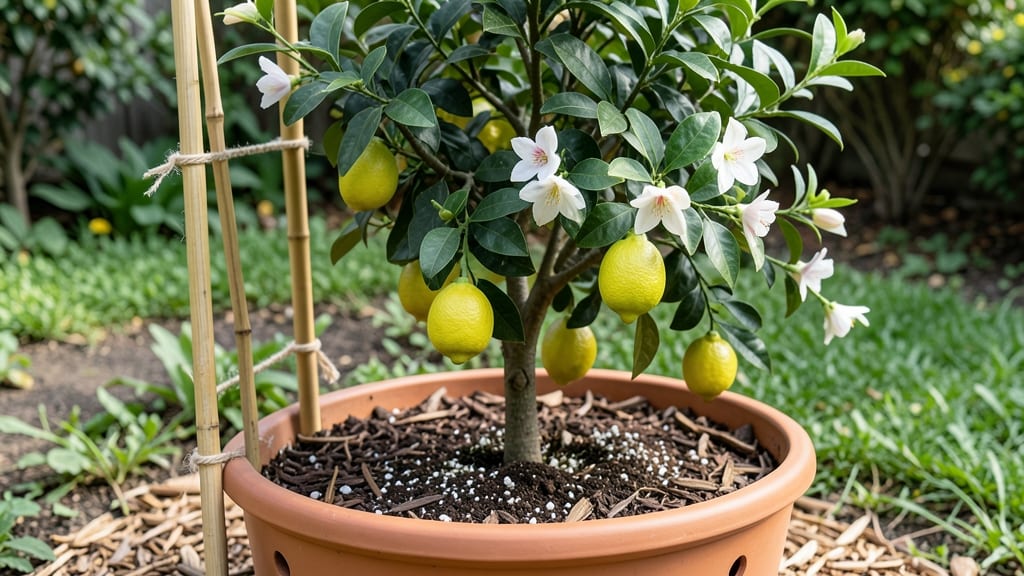
How to grow a Meyer lemon tree in container could turn your kitchen into a Mediterranean grove by next summer. 🌿 Meyer lemon trees thrive in containers—my first one produced fruit in just 2 years, and it’s been a game-changer for homemade lemonade and desserts. The secret isn’t fancy equipment; it’s matching their tropical roots to container-friendly care.
Start with a 5-gallon pot (minimum) and drainage holes—no exceptions. Use a mix of potting soil, perlite, and compost to mimic their native sandy loam. Place near a south-facing window or under grow lights for 6+ hours of sunlight daily.
Water when the top inch of soil feels dry, but never let them sit in soggy soil—that’s how root rot starts.
By pruning regularly, you’ll encourage bushier growth and more fruit. Pinch back leggy stems in spring, and fertilize monthly with citrus-specific food. Even indoors, these trees reward patience with bright yellow, fragrant blooms and sweet, juicy lemons by fall.
Winter care is key: move containers indoors if temps drop below 40°F, and reduce watering. My tree’s now a 10-foot-tall patio centerpiece—proof that containers can handle big dreams. Ready to grow yours?
📚 In This Guide
- What you need
- Instructions
- Tips and common mistakes
- Wrapping up and next steps
What you need
- ● Container: A durable, large pot (15–20 gallons) with drainage holes (minimum 18" diameter and 20" deep for mature trees). Terracotta or fiberglass works best for airflow.
- ● Potting Mix: A well-draining, citrus-specific blend (or mix: 60% peat moss, 20% perlite, 20% sand). Avoid garden soil—it compacts!
- ● Meyer Lemon Tree: A healthy nursery-grown sapling (3–5 years old) or a grafted tree for faster fruit. Check for pests!
- ● Drainage Tray: A shallow tray or saucer to catch excess water and prevent root rot.
- ● Fertilizer: A balanced citrus fertilizer (6-6-6 or 8-3-9 NPK) with micronutrients like iron and zinc. Organic options (fish emulsion, compost) work too!
- ● Watering Can or Hose: With a gentle spray nozzle for deep but controlled watering.
- ● Pruning Shears: Sterilized, sharp shears (or small hand pruners) for shaping and harvesting.
- ● Grow Lights: A full-spectrum LED grow light (12–14 hours/day) if your space lacks sunlight.
- ● Self-Watering System: A wicking bed or drip irrigation kit for consistent moisture.
- ● Mulch: Organic mulch (straw or wood chips) to retain moisture and regulate soil temp.
- ● Support Stake: A bamboo stake or trellis to help young trees stay upright.
- ● Pest Control: Neem oil, insecticidal soap, or copper tape for aphids, scale, or spider mites.
- ● Humidity Tray: A pebble tray with water to boost humidity in dry climates.
Step-by-Step instructions for growing Meyer lemon trees in containers
Here’s how I’ve successfully grown sweet, productive Meyer lemon trees in pots—no yard required.
🪴 Step 1: Choose the Right Container and Drainage
Start with a 5-gallon pot or larger (at least 12 inches deep) for your first tree—Meyer lemons need room to develop strong roots. I use unglazed terra cotta because it breathes and prevents root rot, but any container with multiple drainage holes works. If yours lacks holes, drill them yourself—two or three will do.
Place a 2-inch layer of gravel or broken pottery at the bottom before adding soil. This creates an air pocket that prevents waterlogging, which Meyer lemons hate. The roots should never sit in soggy soil, or they’ll rot before your tree even thinks about fruiting.
🌱 Step 2: Use Well-Draining Soil and Plant Properly
Fill the pot with a lightweight, fast-draining mix—I blend 60% potting soil, 30% perlite, and 10% compost. This keeps roots oxygenated while providing nutrients. Avoid garden soil; it compacts and suffocates roots. Fill the pot 2/3 full, leaving space for the root ball.
Gently remove your Meyer lemon tree from its nursery pot and loosen the roots if they’re circling. Place it in the center of your container, then backfill with soil, pressing lightly to eliminate air pockets. The top of the root ball should sit just below the pot’s rim—never bury the trunk too deep, or it’ll rot.
☀️ Step 3: Position for Maximum Sunlight and Warmth
Meyer lemons thrive in full sun (6-8 hours daily), but they also tolerate partial shade if temperatures exceed 90°F. A south- or west-facing windowsill or a patio in direct sunlight works best. If growing indoors, supplement with a grow light for 12-14 hours daily—leggy, pale stems mean your tree isn’t getting enough light.
Keep the pot in a spot where temperatures stay between 60-85°F. Below 55°F, growth stalls, and fruit may drop. If you’re in a cooler climate, move the tree indoors during winter or use a space heater near the pot (but not too close—no hotter than 85°F).
💧 Step 4: Water Deeply and Fertilize Regularly
Water when the top 1-2 inches of soil feel dry—stick your finger in to check. Meyer lemons hate soggy soil, so always water deeply until it drains from the bottom. Empty the saucer afterward to prevent root rot. In summer, you might water every 2-3 days; in winter, once a week is usually enough.
Feed your tree every 4-6 weeks with a balanced citrus fertilizer (look for 10-10-10 or 8-3-9). I dilute it to half-strength to avoid burning roots. Start fertilizing in early spring and continue until fall, then taper off in winter when growth slows. Yellow leaves? You’re likely overwatering or overfertilizing—cut back immediately.
✂️ Step 5: Prune for Shape and Fruit Production
Prune in late winter or early spring before new growth begins. Remove dead, crossing, or crowded branches with clean, sharp shears, cutting just above a leaf node. This encourages airflow and prevents disease. I also trim back any leggy growth—never cut more than 1/3 of the tree at once, or you’ll shock it.
Pinch back new growth in summer to encourage bushier growth. If your tree flowers but no fruit sets, it might need thinner branches—Meyer lemons need good airflow for pollination. Hand-pollinate by gently shaking branches to release pollen if you’re indoors with no bees.
Tips & tricks for perfect container-grown Meyer lemon trees
Here's what nobody tells you about keeping your Meyer lemon thriving in pots—these are the details that separate a struggling plant from a fruit-bearing beauty.
Container Upgrade Strategy: If you notice roots circling the bottom of your 5-gallon pot after 1-2 years, it's time to upgrade. Move to a 7-10 gallon container in late winter when the tree is dormant. The extra space gives roots room to grow without becoming root-bound, which is crucial for fruit production. I've seen trees double their harvest after just one upgrade! Just be sure to use the same well-draining soil mix you started with—no need to change formulas.
Soil Science Secret: That 60-30-10 soil blend in Step 2 is non-negotiable, but here's the pro move: Add 1/4 cup of Epsom salt to your mix when repotting. The magnesium helps prevent yellow leaves (a common citrus deficiency) and gives your tree a little extra boost. Mix it right into the soil before planting—your tree will thank you with glossier leaves and better fruit development. The compost portion is especially important; it provides slow-release nutrients that mimic natural soil conditions.
Lighting Hack for Indoor Growers: When supplementing with grow lights for those 12-14 hours daily, position the light 6-12 inches above the tree and use a timer. Meyer lemons need consistent light cycles to set fruit. I've found that LED grow lights with a full spectrum (red and blue) work best—they're energy-efficient and mimic natural sunlight. Rotate your tree quarter-turn daily so it doesn't grow lopsided toward the light source. This simple rotation prevents leggy growth and keeps your tree compact.
Fertilizer Timing: Those 4-6 week intervals for fertilizer are perfect, but here's the real trick: Split your fertilizer application in half and apply it twice—once in early spring when new growth starts, and again in mid-summer when the tree is actively fruiting. This two-part approach prevents nutrient overload while ensuring your tree has what it needs during critical growth phases. Always fertilize after watering to avoid burning the roots, and remember to taper off completely in winter when the tree's growth naturally slows.
Pro Tips for Grow Meyer Lemon Tree In Container
- Here's what nobody tells you about keeping your Meyer lemon thriving in pots—these are the details that separate a st...
- Container Upgrade Strategy: If you notice roots circling the bottom of your 5-gallon pot after 1-2 years, it's time t...
- Soil Science Secret: That 60-30-10 soil blend in Step 2 is non-negotiable, but here's the pro move: Add 1/4 cup of Ep...
Frequently asked questions
Got questions about growing a Meyer lemon tree in a container?
You’re not alone! Here are answers to the most common concerns—from timing to troubleshooting—to help you grow a thriving citrus tree, even in small spaces.
How big does a container need to be for a Meyer lemon tree?
A Meyer lemon tree thrives in a 5-gallon container or larger (at least 12–18 inches deep). Larger pots (15+ gallons) allow for better root growth and stability, especially as the tree matures. Use containers with drainage holes to prevent root rot—no soggy soil!
How long does it take for a Meyer lemon tree to bear fruit in a container?
With proper care, a container-grown Meyer lemon tree can produce fruit in 2–3 years (sometimes sooner!). Patience is key—young trees focus on root and leaf growth first. Boost fruiting by ensuring full sun (6+ hours/day), regular watering, and balanced fertilizer (like citrus-specific blends).
Can I grow a Meyer lemon tree indoors year-round?
Yes! Meyer lemons are indoor-friendly but need bright, indirect light (a south-facing window or grow lights). Move the tree outdoors in spring/summer for direct sun (6–8 hours) to encourage fruiting. In winter, keep temps above 45°F (7°C)—avoid drafts or heaters, which dry out the air.
What are the most common pests for container-grown Meyer lemon trees?
Watch for spider mites, aphids, and scale insects, which love lemon trees. Prevent pests with:
- Neem oil spray (weekly preventive treatment)
- Regularly wiping leaves with a damp cloth
- Inspecting new growth for sticky residue (aphids) or webbing (mites)
Why aren’t my Meyer lemon tree’s leaves turning yellow?
Yellow leaves usually signal overwatering, underwatering, or nutrient deficiencies. Check:
- Watering: Stick your finger 1–2 inches into soil—water when dry.
- Drainage: Ensure excess water escapes the pot.
- Nutrients: Feed with a citrus fertilizer every 4–6 weeks in growing season.
- Sunlight: Too little light causes pale leaves; too much can scorch.
Wrapping up and next steps
Growing a Meyer lemon tree in a container is a rewarding journey that brings fresh, fragrant citrus to your doorstep—no backyard required! 🌱 With the right pot, sunlight, and care, you’ll enjoy sweet lemons year after year.
Start small, stay consistent, and soon you’ll be harvesting fruit straight from your balcony or patio.
Ready to take the next step? Pick your container, grab your gloves, and get planting! Your future lemon harvest is waiting. 🍋✨