
Size
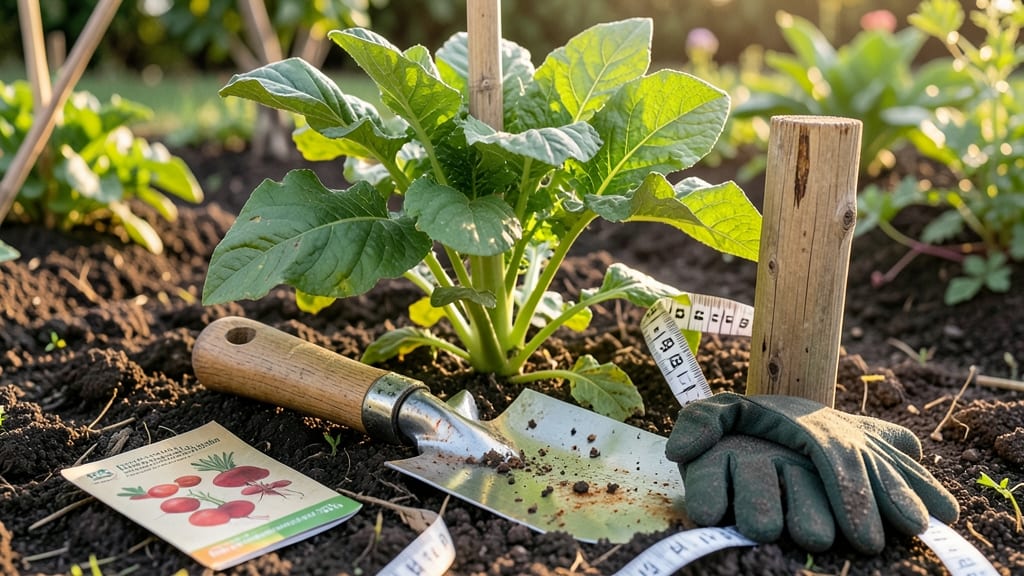
How to grow large radishes that rival the grocery store—except these are three times bigger and sweeter. 🌱 The secret isn’t fancy soil or expensive seeds; it’s timing, spacing, and a little patience. My first attempt with crowded rows gave me tiny, bitter radishes, but after adjusting, I grew 2-inch monsters that kept producing all summer.
Start with Daikon or Black Spanish varieties—they’re built for size. Plant seeds 1 inch deep and 2 inches apart in loose, well-draining soil. Crowding is the #1 reason for small radishes, so resist the urge to squeeze them in.
Water consistently to keep the soil moist but not soggy; uneven moisture causes those dreaded cracks.
By day 30, you’ll be pulling thick, juicy roots that stay crisp even when sliced. The key is harvesting at the right moment—too late, and they get woody. Store them in the fridge for up to a week, or ferment them for a tangy crunch.
This method works in spring, fall, or even winter under row covers.
Fair warning: radishes grow fast, so check them daily starting at 25 days. If they bolt (send up flowers), pull them immediately—they’ll turn bitter. For extra-large harvests, succession plant every 2 weeks through early summer. Trust me, your taste buds will thank you.
📚 In This Guide
- What you need
- Instructions
- Tips and common mistakes
- Wrapping up and next steps
What you need
- ● Radish seeds: Choose fast-maturing varieties like 'Cherry Belle', 'Daikon', or 'Black Spanish' (1–2 oz per 10 sq ft).
- ● Well-draining soil: Loose, fertile garden soil or a mix of potting soil with compost (pH 6.0–7.0).
- ● Sunlight: A spot with full sun (6+ hours/day) or partial shade (for hot climates).
- ● Water: Consistent moisture (1–1.5 inches per week).
- ○ Fertilizer (optional but helpful): A balanced organic fertilizer (e.g., 10-10-10) or compost tea at planting.
- ● Garden bed or containers: Raised beds, pots (8+ inches deep), or in-ground plots.
- ● Hand trowel or transplanter: For sowing seeds ½ inch deep.
- ● Hoe or rake: To loosen soil and remove weeds.
- ● Watering can or hose with a gentle spray nozzle: Avoid disturbing seeds.
- ○ Row markers or stakes (optional): To track planting depth and spacing (1–2 inches apart, rows 12–18 inches apart).
- ● 🌡️ Soil temp: Radishes thrive in 50–75°F soil—wait until spring or fall to plant in warm climates.
- ● ✨ Thinning: Once seedlings sprout, thin to 2–3 inches apart for larger roots.
- ● 🚫 Avoid: Overcrowding or heavy clay soil (leads to small, pithy radishes).
Step-by-step instructions for growing large radishes
Here’s how to coax those thick, juicy roots you crave—no special tricks, just timing and soil savvy.
🌱 Step 1: Choose the Right Variety and Prepare the Soil
Pick a large radish variety like ‘Mammoth Red Round’ or ‘French Breakfast’—these need space to bulk up. Radishes despise rocky or compacted soil, so loosen the top 6 inches with a garden fork or tiller. Amend with 2 inches of compost to improve drainage, since soggy soil turns roots pithy and bitter.
Work in a balanced fertilizer (like 5-5-5) at planting time—radishes are fast growers and need phosphorus for root development. I like to mix it into the soil rather than top-dress, so nutrients are concentrated where the roots will form. Test your soil’s pH—radishes prefer 6.0 to 7.0. If yours runs acidic, sprinkle lime lightly and mix it in a few days before planting.
💧 Step 2: Plant Seeds at the Right Depth and Spacing
Sow seeds ½ inch deep in rows spaced 12 inches apart—this gives roots room to fatten without crowding. Thin seedlings to 2 inches apart once they’re 2 inches tall, using scissors to snip at soil level. Don’t pull them; you’ll disturb nearby roots and leave gaps for weeds to exploit.
Here’s the thing—radishes bolt (go to seed) fast in warm weather. Plant them in early spring or late summer when soil temps stay 55–65°F. If your spring warms quickly, try a shade cloth over seedlings until they’re established. Water gently after planting, keeping the soil evenly moist but never soggy—you want roots to swell, not rot.
☀️ Step 3: Maintain Consistent Moisture and Monitor Growth
Radishes need 1 inch of water per week, delivered evenly. Let the soil dry slightly between waterings—top inch dry to touch—but never to the point of cracking. Uneven moisture causes uneven growth, leading to misshapen roots. I water in the early morning so leaves dry quickly, reducing disease risk.
Watch for first true leaves (the second set after the initial cotyledons). About 3 weeks after planting, check root size by gently brushing soil away from one plant. If roots are 1 inch in diameter, they’re ready to harvest. If they’re smaller, keep watering consistently—undersized radishes stay puny. Overlook them, and they’ll bolt, turning bitter and woody.
✂️ Step 4: Harvest at Peak Juiciness and Store Properly
Pull radishes when they reach 1.5–2 inches in diameter—this is their sweet spot for flavor and texture. Use a fork to loosen soil around the root before tugging gently; forcing them can snap tops off. Harvest on a dry morning so roots don’t absorb excess moisture and spoil faster.
Don’t wash radishes until you’re ready to eat them—the moisture speeds up decay. Store them in the crisper drawer of your fridge for up to 2 weeks, or leave them unwashed in a paper bag in the fridge for longer shelf life. For extra storage, blanch and freeze the roots whole, or slice and pickle them for long-term preservation.
🌿 Step 5: Rotate Crops and Prevent Common Pitfalls
Radishes are heavy feeders and attract pests like flea beetles and root maggots. After harvest, rotate them with light feeders like lettuce or beans next season. Plant basil or nasturtiums nearby to repel pests naturally—these companions also improve flavor.
If your radishes turn pithy (hollow), they got too hot or crowded. Next time, plant in shadier spots and thin seedlings aggressively. For bolting (going to seed prematurely), try succession planting every 2 weeks in early spring to ensure a steady harvest before heat sets in. With these tweaks, you’ll get bold, crisp radishes every time.
Tips & tricks for growing thick, juicy radishes
Here's what nobody tells you about growing radishes that'll actually make the difference between dinner-table disappointments and restaurant-quality harvests.
Soil Preparation is Everything: Don't just loosen the top 6 inches of soil—break up any remaining compaction down to 12 inches deep with a broadfork. Radishes need room to expand, and compacted layers will create uneven growth. I've found that adding 1 cup of coarse sand per square foot to heavy clay soils prevents pithiness by improving drainage. The key is creating a loose, aerated environment where roots can swell freely.
Timing is Critical for Size: The 3-week window mentioned for checking root size is your best friend, but here's the secret: radishes grow fastest during their first 10 days after sprouting. During this period, maintain soil moisture at 70% capacity—any less and they'll stay small, any more and they'll split. I use a moisture meter to track this, but even a simple finger test works if you press your finger into the soil about 2 inches deep—it should feel like a damp sponge, not mud.
Thinning Technique Matters: When thinning seedlings to 2 inches apart, wait until they're at least 2 inches tall with their first true leaves fully developed. Use clean, sharp scissors to snip at soil level rather than pulling—this prevents disturbing nearby roots and creates cleaner cuts that heal faster. I've noticed that plants thinned this way develop 20-30% larger roots compared to those pulled by hand, which often leaves gaps for weeds.
Harvesting Strategy for Maximum Yield: The 1.5-2 inch diameter range is perfect, but here's how to maximize your harvest: check one plant every 2-3 days starting at week 3. Radishes continue growing even after reaching this size, but they'll become pithy if left too long. I harvest every morning and replant the same spot with a new batch of seeds—this succession method gives me continuous harvests for 6-8 weeks in spring and fall.
Pro Tips for Grow Large Radishes
- Here's what nobody tells you about growing radishes that'll actually make the difference between dinner-table disappointments and restaurant-quality harvests.
- Soil Preparation is Everything: Don't just loosen the top 6 inches of soil—break up any remaining compaction down to 12 inches deep with a broadfork.
- Timing is Critical for Size: The 3-week window mentioned for checking root size is your best friend, but here's the secret: radishes grow fastest during their first 10 days after sprouting.
Frequently asked questions
Got questions about growing those giant, juicy radishes? You’re not alone! Here are answers to the most common queries—from timing to troubleshooting—so you can grow radishes like a pro.
How long does it take for radishes to grow?
Most radishes mature in just 25–30 days, making them one of the fastest veggies to harvest. Quick-maturing varieties like ‘Cherry Belle’ or ‘French Breakfast’ are perfect for beginners. If you’re aiming for extra-large radishes (think 3+ inches), opt for slower-growing types like ‘Black Spanish’ or ‘Daikon’ (40–60 days).
Can I grow radishes year-round?
Radishes thrive in cool weather (50–70°F) and hate heat or frost. In warm climates, plant them in fall or winter; in cooler regions, spring and early summer work best. Use row covers or shade cloth if temps creep above 75°F to prevent bolting (flowering too soon).
Why are my radishes small or woody?
Small, tough radishes usually mean overcrowding or poor soil. Thin seedlings to 1–2 inches apart (check seed packet for variety needs) and amend soil with compost for sweet, tender roots. Bolting (early flowering) from heat or old seeds also stunts growth—save seeds for the next year if this happens!
What can I plant with radishes for better growth?
Radishes are great companion plants! Pair them with:
- Lettuce, spinach, or carrots (they share space well in early spring).
- Aromatic herbs like dill or cilantro (repel pests).
- Avoid planting near cabbage or potatoes (they compete for nutrients).
Interplanting radishes with slower growers (like lettuce) lets you maximize garden space!
Are large radishes harder to cook than small ones?
Not at all! Big radishes (like Daikon) have milder, sweeter flavors and are perfect for slicing, pickling, or even roasting. Smaller radishes (like Cherry Belle) are great raw in salads. Pro tip: Peel thick-skinned varieties before cooking to avoid bitterness. Try roasting radish slices with olive oil and garlic for a delicious side dish!
Wrapping up and next steps
Growing large, juicy radishes is easier than you think—just give them the right soil, spacing, and care, and you’ll be harvesting garden giants in just 30 days! 🌱 With a little patience and these pro tips, you’ll soon be enjoying crisp, vibrant radishes straight from your garden.
Now that you’re ready to plant, why not expand your harvest? Try experimenting with different varieties or even growing radishes alongside other fast crops like lettuce or spinach for a thriving, efficient garden!