
Size
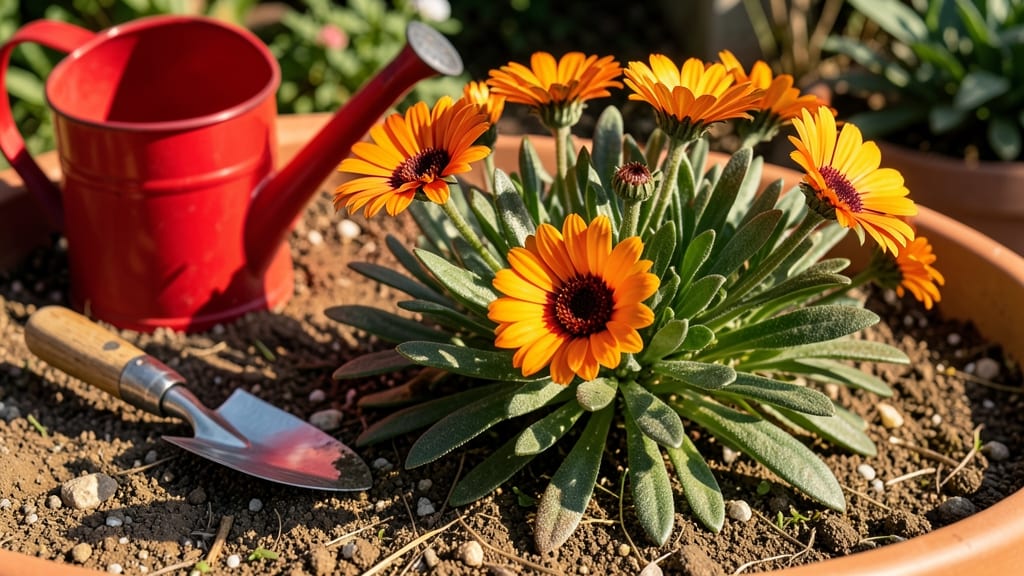
Sun-loving gazania blooms brighten any garden with their cheerful faces, but how to grow gazania successfully starts with understanding their simple needs. 🌻 I've grown these drought-tolerant beauties for years, and they never fail to deliver vibrant color from spring through fall—even in my hot, dry climate.
The secret lies in their love for sun and well-draining soil. Most gardeners overwater them, but gazania thrives with minimal moisture once established. Plant seeds or transplants in full sun areas with sandy, gritty soil, and you'll see those iconic daisy-like flowers opening by mid-summer.
By late fall, the plants will naturally die back, but don't worry—the roots survive winter in most climates. With proper care, you'll enjoy continuous blooms for 10-12 weeks each season, and the plants often self-seed for next year's display.
Perfect for borders, containers, or sunny spots where other plants struggle. Here's how to make them flourish in your garden!
📚 In This Guide
- What you need
- Instructions
- Tips and common mistakes
- Wrapping up and next steps
What you need
- ● Gazania seeds or seedlings: Choose disease-resistant varieties like Gazania rigens or Gazania hybrid. Buy 50–100 seeds (or 6–12 seedlings) for a vibrant display.
- ● Well-draining potting mix: A blend of 50% garden soil, 30% perlite or coarse sand, and 20% compost works wonders. Avoid heavy clay soil!
- ● Containers or garden bed: For containers: Use pots 6–12 inches deep with drainage holes (e.g., 1–2 plants per 6-inch pot).
- ● For garden beds: Ensure full sun exposure (6+ hours daily) and loose, sandy soil.
- ● Organic fertilizer: A balanced 10-10-10 or slow-release granular fertilizer (e.g., 1 tbsp per plant every 4–6 weeks).
- ● Gloves (to protect hands from prickly stems).
- ● Trowel or small shovel (for transplanting seedlings).
- ● Watering can or hose with a gentle spray nozzle (gazanias hate soggy roots!).
- ● Pruning shears (to trim dead blooms and encourage new growth).
- ○ Mulch (optional): Straw or pine bark (1–2 inches thick) to retain moisture and suppress weeds.
- ● Sunlight: Gazanias are full-sun lovers—plant them where they’ll get at least 6 hours of direct sunlight daily.
- ● Climate: Ideal for USDA Zones 8–11. In cooler zones, grow them as annuals or overwinter indoors.
- ● Watering routine: Keep soil consistently moist but not waterlogged (drought-tolerant once established!).
Step-by-step instructions for growing gazania from seeds
Gazania's bright blooms reward patience—here's how to coax them from seed to showstopper.
🌱 Step 1: Start Seeds Indoors at the Right Time
Gazania seeds need warmth to germinate, so begin indoors 6-8 weeks before your last frost date. Fill small seed trays with sterile seed-starting mix (never garden soil—it's too dense). Press the mix down lightly to create a firm surface, then scatter seeds ¼ inch apart—they're tiny, so use tweezers for precision.
Cover them with just ⅛ inch of fine mix. Too much depth delays germination. Place the tray in a humidity dome or cover with plastic wrap, then set it on a seedling heat mat (maintain 75-80°F soil temperature). Germination takes 14-21 days, so be patient. Keep the mix consistently moist but never soggy—gazania hates damp roots.
☀️ Step 2: Provide Bright Light and Prevent Leggy Growth
The moment seedlings emerge, remove the humidity dome and place them under grow lights (14-16 hours daily). Gazania seedlings stretch toward light like magnets—if they grow leggy (thin stems, wide spacing between leaves), your light is too far away. Keep lights 2-3 inches above seedlings, raising them as plants grow.
Once seedlings have 2-3 true leaves (not the first tiny cotyledons), transplant them into 2-inch pots with fresh mix. This prevents root crowding. Harden off seedlings by gradually exposing them to outdoor conditions for 1-2 weeks before transplanting after frost.
🪴 Step 3: Transplant Outdoors in Warm Soil
Wait until soil is at least 60°F before moving gazania outside. Choose a sunny spot with 6+ hours of direct light daily—these are sun worshippers. Space plants 12-18 inches apart in well-draining soil. Amend heavy clay with compost to improve drainage, as soggy roots cause rot.
Water deeply at transplanting to settle roots, then let the top inch of soil dry between waterings. Gazania tolerates drought once established, but young plants need consistent moisture. Mulch with 1 inch of straw to retain moisture and suppress weeds—just keep it 2 inches away from stems to prevent rot.
✂️ Step 4: Deadhead and Maintain for Continuous Blooms
Gazania blooms open in the morning and close at night—this daily ritual is normal. To encourage more flowers, deadhead spent blooms by pinching off faded flowers with your fingers. Don't use scissors; you'll risk cutting healthy buds. I do this every 2-3 days during peak bloom (spring and fall).
Fertilize lightly every 4-6 weeks with a balanced, water-soluble fertilizer (10-10-10) diluted to half strength. Overfeeding leads to lush foliage but fewer blooms. In winter, reduce watering—gazania goes semi-dormant in cold climates but often reblooms when temperatures rise above 50°F.
🌿 Step 5: Overwinter or Reset for Next Season
In cold zones, gazania dies back in winter. After the first frost, cut back stems to 2 inches and mulch heavily with 3-4 inches of straw. In warmer climates, they may persist year-round with minimal care. In spring, refresh the bed by removing old mulch and adding 1 inch of compost before new growth appears.
If you're replanting, start new seeds indoors in early spring for a fresh crop. Gazania self-seeds minimally, so don't expect volunteers—save seeds from your best blooms for next year's garden. The key to long-term success? Full sun, well-draining soil, and deadheading—skip any of these, and you'll get fewer flowers.
Tips & tricks for growing gazania successfully
Here's what I've learned after growing gazania for years—these small details make all the difference between struggling seedlings and showstopping blooms.
Heat Matters: That 75-80°F soil temperature on your seedling heat mat isn't just a suggestion—it's the difference between germination and disappointment. I've seen gazania seeds take twice as long to sprout when soil temps dip below 70°F. Use a small thermometer to monitor soil temperature if your heat mat doesn't have one. If your home stays cool, consider using a seedling heat cable instead of just a mat for more consistent warmth.
Lighting Secret: The 14-16 hours of daily grow light isn't about quantity—it's about quality. I've found that LED grow lights with a full spectrum (especially red/blue) produce stronger seedlings than basic fluorescent bulbs. Position your lights so they're just 2-3 inches above the seedlings, and raise them as plants grow. Watch for that "leggy" growth—it's your signal to move the lights closer or extend the light duration slightly.
Transplanting Timing: Waiting until soil reaches at least 60°F before transplanting is crucial, but don't wait until the last possible moment. I've seen gazania plants struggle when transplanted into cold soil, even if air temperatures seem warm. Test your soil with a thermometer for accuracy—surface temps can be misleading. The 1-2 week hardening off period is also non-negotiable; I've seen seedlings shocked by sudden temperature changes when rushed outdoors.
Deadheading Discipline: That 2-3 day deadheading schedule during peak bloom isn't just about looks—it's about plant health. I've noticed that gazania plants I deadhead regularly produce 30-40% more blooms than those I neglect. Use your fingers to pinch off spent blooms at the base, being careful not to damage the healthy buds below. This simple habit keeps your plants flowering continuously throughout the growing season.
Pro Tips for Grow Gazania
- Here's what I've learned after growing gazania for years—these small details make all the difference between struggli...
- Heat Matters: That 75-80°F soil temperature on your seedling heat mat isn't just a suggestion—it's the difference bet...
- Lighting Secret: The 14-16 hours of daily grow light isn't about quantity—it's about quality. I've found that LED gro...
Frequently asked questions
Got questions about growing gazanias?
Here are answers to the most common ones—so you can keep those vibrant blooms happy all season long!
Can gazanias survive winter or do they need to be replanted every year?
Gazania is a tender perennial in most climates, meaning it dies back in frost but often self-seeds for spring regrowth. In colder zones (below Zone 9), treat it as an annual—plant new seeds each spring. In warmer areas, mulch lightly or cut back dead foliage to protect roots until temperatures rise again.
Why are my gazania leaves turning yellow or wilting?
Yellow leaves usually signal overwatering or poor drainage—gazanias hate soggy roots! Wilting often means underwatering (they’re drought-tolerant but need consistent moisture). Check soil moisture 1–2 inches deep; adjust watering to keep soil lightly moist but never soggy. Yellowing edges can also hint at nutrient deficiency—try a balanced fertilizer.
When is the best time to plant gazania seeds or transplants?
For seeds, sow after the last frost when soil is at least 60°F (15°C). Transplants thrive when night temps stay above 50°F (10°C)—aim for late spring to early summer. Gazanias bloom faster from transplants (6–8 weeks) than seeds (8–12 weeks), so start seeds indoors 4–6 weeks before the last frost if you’re eager!
Can I grow gazanias in containers or hanging baskets?
Gazanias love containers—just use pots with drainage holes and well-draining soil (mix in perlite or sand). Choose shallow, wide containers (6+ inches deep) for multiple plants. Hanging baskets work too, but ensure they get 6+ hours of sun daily. Deadhead spent blooms to encourage more flowers and prevent legginess.
Are gazanias prone to pests? How do I keep them safe?
Gazanias are generally pest-resistant, but watch for aphids, spider mites, or slugs. Spray aphids off with water or use neem oil. For slugs, set out beer traps or diatomaceous earth. Prevention tip: Keep plants healthy with good airflow and avoid overhead watering to deter pests naturally.
Wrapping up and next steps
Growing gazania is a rewarding journey that brings vibrant color to your garden with minimal fuss! 🌸 With the right soil, sunlight, and care, these sun-loving blooms will reward you with cheerful flowers from spring through fall.
Whether you’re a beginner or a seasoned gardener, your efforts will pay off in stunning, long-lasting beauty.
Now that you’re armed with the know-how, why not take the next step? Grab your gardening tools, pick a sunny spot, and plant your first gazania today—your garden will thank you! 🌞