
Size
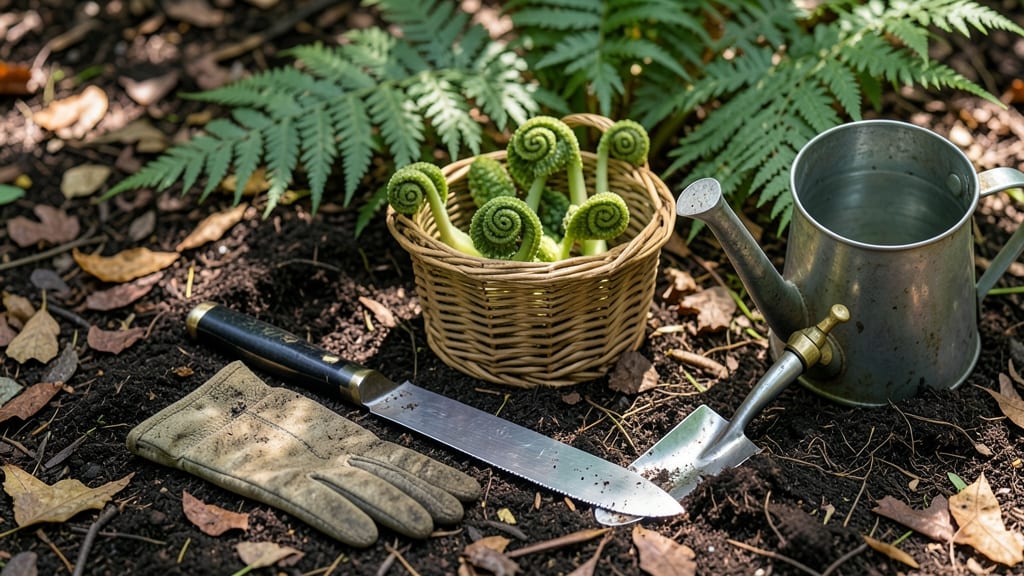
Spring’s first harvest starts with a single fiddlehead. 🌿 These delicate fern shoots taste like asparagus and grow surprisingly fast—if you mimic their wild, damp forest habitat. I’ve grown them for three seasons now, and the secret isn’t complicated: shade, moisture, and patience. The setup is simpler than it sounds.
You’ll need a shady spot (morning sun max), rich, moist soil, and either spores or a divided fern crown. Plant in early spring when soil is still cool, and keep the area consistently damp—think swampy, not soggy. Within 6 weeks, you’ll see those iconic curled shoots ready to harvest.
What you’ll end up with is a fresh, springtime delicacy straight from your backyard. The flavor is delicate but distinct, and the process is oddly satisfying—like growing your own wild forest snack. Brown fronds? Too much sun. Slow growth? Needs more moisture. Simple fixes for big results.
Works in containers too, making it perfect for patios or small yards. Here’s how to get started without the guesswork—no green thumb required, just the right conditions.
📚 In This Guide
- What you need
- Instructions
- Tips and common mistakes
- Wrapping up and next steps
What you need
- ● Fiddlehead Fern Seeds (Osmunda cinnamomea or Osmunda regalis): Purchase from a reputable seed supplier (100+ seeds for best results).
- ● Large Containers or Pots: 5–10 gallon pots with drainage holes (or a raised bed if planting outdoors).
- ● High-Quality Potting Mix: Well-draining, peat-based mix (avoid garden soil—fiddleheads hate soggy roots!).
- ● Grow Lights or Sunny Spot: 12–14 hours of indirect light daily (south-facing window or LED grow lights work well).
- ● Misting Spray Bottle: For consistent moisture without overwatering.
- ○ Thermometer (Optional but Helpful): To monitor soil temp (ideal: 60–75°F).
- ● Humidity Dome or Plastic Wrap: Keeps seedlings cozy during germination.
- ● Fertilizer (Balanced, 10-10-10): Light application every 4–6 weeks once sprouts emerge.
- ● Pruning Shears: For trimming dead fronds or harvesting.
- ● Garden Gloves: Protects hands from sharp fiddlehead fronds.
Step-by-Step instructions for growing fiddleheads
Growing fiddleheads is all about patience and precise timing—here's how to coax these delicate shoots from your garden.
🌱 Step 1: Select and Prepare the Right Fern
Start with a mature Ostrich fern (Matteuccia struthiopteris), the only variety that produces edible fiddleheads. Buy a healthy, established plant from a nursery or divide an existing clump in early spring. Choose a spot with partial shade—morning sun and afternoon shade work best. Fiddleheads need consistent moisture but hate soggy roots, so avoid low-lying areas where water pools.
Before planting, loosen the soil to a depth of 12 inches and mix in 2-3 inches of compost to improve drainage and fertility. Ferns spread aggressively, so space plants 3-4 feet apart to give them room to establish. The key here is patience: fiddleheads won’t appear until the second year after planting, so choose a location you won’t disturb.
☀️ Step 2: Plant and Provide Ideal Growing Conditions
Dig a hole twice as wide as the root ball but no deeper. Place the fern in the hole, ensuring the crown sits 1 inch below soil level. Backfill with the amended soil and water deeply to settle it. Mulch around the base with 2-3 inches of organic mulch (like shredded bark) to retain moisture and suppress weeds. Keep the soil consistently moist but not waterlogged—fiddleheads thrive in 60-75°F temperatures and 60-70% humidity.
Fiddleheads emerge in early spring, typically between March and May, depending on your climate. You’ll notice the first sign of growth as tight, coiled fronds pushing through the soil. This is your cue to monitor soil moisture closely—let it dry slightly between waterings but never to the point of wilting. A simple test: stick your finger 1 inch into the soil; if it feels dry, it’s time to water.
⏰ Step 3: Monitor Growth and Harvest at the Right Time
Fiddleheads grow rapidly, unfurling from their coiled state into feathery fronds over 2-3 weeks. The best time to harvest is when the fronds are still tightly coiled and 4-6 inches tall, but before they start to unfurl. This usually happens in late spring, around 6 weeks after the first shoots appear. Use a sharp knife or clean scissors to cut the fiddleheads at the base, leaving the crown intact for future growth.
Harvest in the morning after a light dew has dried but before the sun intensifies. This ensures the fiddleheads are fresh and crisp. Avoid harvesting more than one-third of the fiddleheads from a single plant in a season—this prevents overstressing the fern and ensures a steady yield for years to come. Store harvested fiddleheads in a paper towel-lined container in the fridge for up to 3 days before cooking.
🌿 Step 4: Maintain the Fern for Future Harvests
After harvesting, keep the soil consistently moist and fertilize lightly in early spring with a balanced, slow-release fertilizer (like 10-10-10) to encourage robust growth. Ferns are low-maintenance once established, but they appreciate a monthly feeding during the growing season. In fall, trim back any dead or yellow fronds but leave the crown intact. This cleanup helps the plant focus its energy on next year’s fiddleheads.
Fiddleheads are a perennial crop, meaning the same plant will produce shoots for decades if cared for properly. The first year after planting, focus on establishing strong roots and fronds—don’t harvest at all. By the second or third year, you’ll have a reliable supply of fiddleheads, provided you give the fern the right conditions. Watch for signs of stress, like yellowing fronds or slow growth, which often signal overcrowding or poor drainage.
Tips & tricks for perfect fiddlehead cultivation
These insider tips will help you avoid common pitfalls and maximize your fiddlehead harvest with minimal effort.
Plant Selection: When choosing an Ostrich fern, look for healthy, vibrant fronds with no brown or yellow patches—these are signs of disease or stress. I always check the undersides of the fronds for signs of pests like scale insects before bringing a new plant home. A healthy fern will have a robust root system, so gently lift the plant to inspect the roots for firmness and white color. If you're dividing an existing clump, make sure each section has at least 3-4 fronds to ensure strong growth.
Soil Prep Strategy: The 12-inch soil loosening in Step 1 is crucial for root establishment, but don't overlook the importance of proper drainage. If your soil tends to stay soggy, consider adding a 1-inch layer of coarse sand or perlite to the bottom of your planting hole before adding the amended soil. This creates a drainage layer that prevents root rot while still allowing moisture retention. I've found that mixing in a handful of worm castings along with the compost gives an extra nutrient boost that fiddleheads love.
Harvest Timing Secret: The 6-week window from initial shoots to harvest is tight, so mark your calendar when you first see those tight coils emerging. I use a small garden flag near each plant to track the emergence date—this helps me remember when to start monitoring for harvest readiness. Watch for the telltale "tight spiral" stage where the tips are still closed but the coils are fully formed. If you wait too long, the fiddleheads will unfurl and become tough and bitter, ruining your harvest.
Maintenance Hack: That monthly feeding in Step 4 doesn't have to mean chemical fertilizers. I've had great success using a simple compost tea (steep well-aged compost in water for 24 hours) every 4 weeks during growing season. The natural microbes in compost tea improve soil structure and provide a gentle, balanced nutrient boost. Just dilute it to a light tea color before applying—you don't want to overwhelm the plants with too many nutrients at once.
Pro Tips for Grow Fiddleheads
- These insider tips will help you avoid common pitfalls and maximize your fiddlehead harvest with minimal effort.
- Plant Selection: When choosing an Ostrich fern, look for healthy, vibrant fronds with no brown or yellow patches—thes...
- Soil Prep Strategy: The 12-inch soil loosening in Step 1 is crucial for root establishment, but don't overlook the im...
Frequently asked questions
Got questions about growing fiddleheads?
You’re not alone! Here are answers to the most common queries—from timing to troubleshooting—so you can cultivate these spring delicacies like a pro.
Can I grow fiddleheads in containers or do I need a garden?
Fiddleheads thrive in 5-gallon pots or larger containers with well-draining soil. Just ensure the pot has drainage holes and is at least 12 inches deep. Place them in a spot with partial shade (like under trees) for the best results. Containers are perfect for balconies or small spaces!
How long does it take to harvest fiddleheads after planting?
With the right conditions, you’ll see tight, edible fiddleheads in 6–8 weeks from planting. The key is patience—harvest them when they’re 3–6 inches tall and still coiled (like a fiddle’s scroll!). Overharvesting can stress the plant, so leave some shoots to mature for next year.
Why are my fiddlehead ferns turning brown or wilting?
Brown or wilted fronds usually signal overwatering, underwatering, or poor drainage. Check your soil—it should stay moist but not soggy. If roots look mushy, reduce watering. Yellowing leaves? Your fern might need more shade or fertilizer (like a balanced 10-10-10 mix) every 4–6 weeks.
Are there any alternatives if I can’t grow fiddleheads?
If fiddleheads aren’t an option, try these spring greens with similar flavors:
- Nettle shoots (cooked like spinach)
- Sorrel (tart, lemony taste)
- Ramson (wild garlic) (mild garlic notes)
- Asparagus spears (young, tender shoots)
Can I eat fiddleheads raw, or do I need to cook them?
Always cook fiddleheads
—they contain thiaminase, an enzyme that breaks down vitamin B1 when raw. Blanch them for 3–5 minutes in boiling water, then shock in ice water to preserve color and nutrients. Use them in stir-fries, soups, or omelets for a delicate, asparagus-like bite.
Wrapping up and next steps
Growing fiddleheads is a rewarding journey that connects you to nature’s early spring bounty—and yes, you can enjoy your harvest in just six weeks! 🌱 With the right location, soil, and patience, you’ll soon be savoring these delicate, nutrient-packed shoots in soups, salads, or stir-fries.
Ready to dive deeper? Start small with a single pot or patch, then expand your harvest next season! Happy growing!