
Size
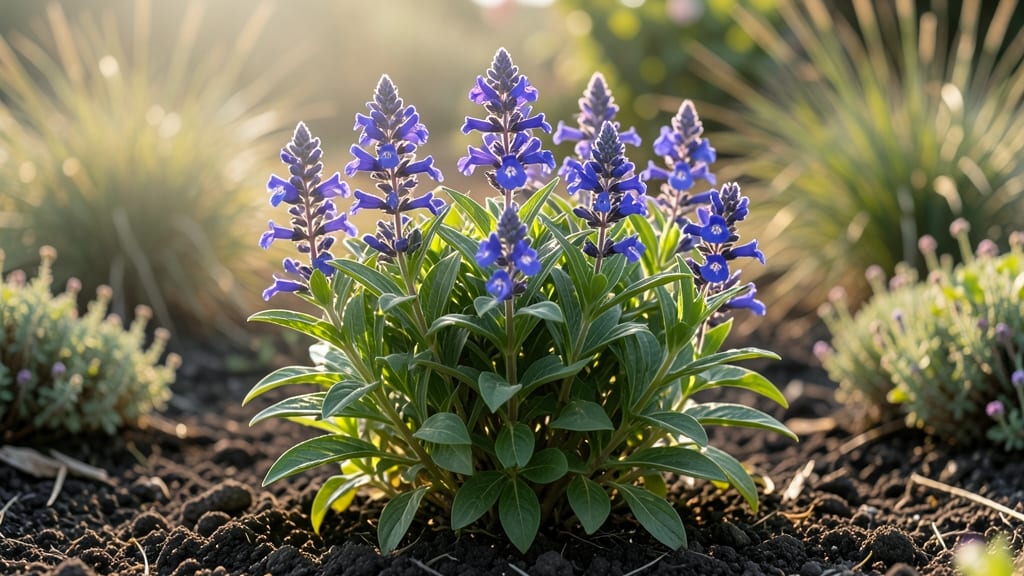
How to grow angelonia means nearly nonstop summer blooms in every shade imaginable—and it’s easier than you think. 🌸 I’ve grown these sun-loving annuals for years, and they’ve become my go-to for vibrant, drought-tolerant color that attracts pollinators like crazy. The key? Mimicking their native Mediterranean conditions with just a few simple tweaks.
Angelonia thrives in full sun and well-draining soil, so skip the heavy clay unless you’re amending it. Start seeds indoors 8-10 weeks before last frost or buy sturdy transplants—just be gentle with those roots.
Water deeply but let the soil dry slightly between drinks; these plants hate soggy feet. A balanced fertilizer every 4-6 weeks keeps blooms coming until frost.
By midsummer, you’ll have towering spikes of snapdragon-like flowers that last longer than most annuals. Prune back leggy stems to encourage bushier growth, and watch bees and butterflies flock to your garden. The best part? They’re disease-resistant and rarely bothered by pests, making them a low-maintenance superstar.
For year-round color in warm climates, treat them as perennials—they’ll bounce back from light freezes. In colder zones, save seeds or replant annually. Once you try angelonia, you’ll wonder why you didn’t start sooner—they’re that foolproof.
📚 In This Guide
- What you need
- Instructions
- Tips and common mistakes
- Wrapping up and next steps
What you need
- ● Angelonia seeds or seedlings: Choose heirloom or hybrid varieties (e.g., 'Angelface' or 'Blue Angel'). Start with 5–10 seeds for small gardens or 20+ seeds for larger displays.
- ● Well-draining potting mix: A light, airy blend (e.g., 60% peat moss/coco coir, 30% perlite, 10% vermiculite). Avoid heavy clay soil—angelonia hates soggy roots!
- ● Containers or garden beds: For seedlings: 4–6 inch pots (1–2 plants per pot). Use black plastic nursery trays for efficiency.
- ● For mature plants: 5–7 gallon containers (1 plant per container) or full-sun garden beds with at least 12–18 inches of spacing between plants.
- ○ Slow-release fertilizer: A balanced 10-10-10 or 14-14-14 blend (apply at planting and again after 6–8 weeks). Optional: Liquid fertilizer (e.g., fish emulsion) for a mid-season boost.
- ● Mulch: Straw or shredded bark (2–3 inches) to retain moisture and suppress weeds.
- ● Pruning shears: Sharp, clean scissors for pinching back leggy stems (size: 4–6 inch blades).
- ● Sunlight: Full sun (6+ hours daily). Angelonia wilts in shade—pick the sunniest spot in your yard!
- ● Watering routine: Keep soil consistently moist but not waterlogged. Water at the base of the plant (avoid wetting leaves to prevent mildew).
- ● Temperature: Thrives in USDA Zones 9–11. In cooler zones, grow as an annual or overwinter indoors (60–75°F ideal).
- ● pH level: Slightly acidic to neutral (6.0–7.0). Test your soil with a pH kit if unsure.
- ● Grow lights: For indoor seedlings (12–16 hours/day of LED grow bulbs).
- ● Support stakes: Tall varieties (e.g., 'Angelface Blue') may need bamboo stakes or tomato cages.
- ● Companion plants: Pair with salvias, verbenas, or marigolds for a pollinator-friendly border.
- ● Drip irrigation: Automates watering and saves time (especially for large gardens).
Step-by-step instructions for growing angelonia
Here's how to cultivate these heat-loving annuals with vibrant blooms that last from summer through fall.
🌱 Step 1: Start Seeds Indoors or Purchase Transplants
Angelonia seeds germinate best when started indoors 6-8 weeks before your last frost date. Use sterile seed-starting mix in small cells or pots, planting seeds 1/8 inch deep—they need light to germinate, so don’t bury them too deeply. Keep the soil consistently moist at 70-75°F until germination, which typically occurs in 10-14 days. If you prefer convenience, buy transplants from a nursery once temperatures stabilize above 55°F.
Transplants are easier to manage, and you’ll avoid the patience test of seed starting. Just ensure the seedlings have 2-3 sets of true leaves before transplanting outdoors—this signals they’re strong enough to handle the transition. I always check the bottom leaves for yellowing, a sign of overwatering or poor drainage, before moving them outside.
☀️ Step 2: Choose the Perfect Sunny Spot
Angelonia thrives in full sun (6-8 hours daily) and well-draining soil. If your garden receives less than 6 hours of direct sunlight, supplement with a grow light for 12-14 hours daily to prevent leggy growth. The key is avoiding soggy soil—angelonia roots rot easily, so amend heavy soil with compost or perlite to improve drainage.
I plant mine in raised beds or containers to control moisture levels. If growing in the ground, choose a spot with sandy loam or add 1-2 inches of organic matter to the soil before planting. Watch for yellowing leaves—this is your first warning sign of overwatering or poor drainage.
💧 Step 3: Plant and Water Consistently
Transplant seedlings 12-18 inches apart in rows 18-24 inches apart to allow airflow and reduce disease risk. Water deeply at the base immediately after planting to settle the soil and encourage root growth. Angelonia prefers consistent moisture but hates soggy roots—water when the top 1-2 inches of soil feel dry to the touch.
Mulch around plants with 1-2 inches of organic mulch to retain moisture and suppress weeds. Avoid overhead watering, as wet foliage invites powdery mildew—a common issue with angelonia. If you notice white powdery spots on leaves, prune affected areas immediately and improve airflow by thinning plants.
✂️ Step 4: Prune for Bushier Growth and Longer Blooms
Pinch back the top sets of leaves when seedlings are 4-6 inches tall to encourage bushier growth. This step is critical—without pinching, angelonia grows tall and leggy with fewer blooms. After the first flush of flowers, deadhead spent blooms regularly to prolong flowering. Cut back 1/3 of the plant height in early summer to promote a second wave of blooms.
I also trim any yellow or damaged leaves throughout the season to keep the plant healthy. Angelonia responds well to pruning, so don’t be afraid to shape it. Just avoid cutting into woody stems—focus on soft, green growth for the best results.
🌿 Step 5: Maintain Through Fall and Overwinter (If Possible)
Angelonia blooms best in warm weather, so stop fertilizing by late summer to harden off the plant for fall. If you live in a USDA Zone 9-11, you can overwinter angelonia as a perennial by cutting back half the plant and mulching heavily. In colder climates, treat it as an annual and compost the plants after frost.
Before the first frost, collect seeds from dried flower heads if you’d like to save them for next year. Store them in a cool, dry place until spring. I’ve found that angelonia seeds lose viability quickly, so plant them fresh the following season for the best germination rates.
Tips & tricks for perfect angelonia growth
These sun-loving plants reward patience with stunning blooms—here's how to maximize their potential.
Germination Strategy: The 70-75°F soil temperature range for seed starting is critical—use a seedling heat mat if your home runs cooler. I've seen germination rates drop dramatically when soil dips below 68°F. Place your seed trays on a warm spot like above the fridge or near a sunny window, but avoid direct sunlight that can dry out the soil too quickly. A clear plastic dome or plastic wrap over the tray creates a mini greenhouse effect that maintains humidity without overheating.
Lighting Secret: When supplementing with grow lights for the 12-14 hours daily requirement, position them just 4-6 inches above seedlings to prevent leggy growth. I use LED grow lights because they're energy-efficient and emit less heat than incandescent bulbs. Rotate trays daily so all sides receive even light exposure—this creates more compact, sturdy seedlings ready for transplanting. Watch for seedlings stretching toward the light; if they're leaning, they need more light or a different position.
Transplant Timing: The 2-3 sets of true leaves rule is your best indicator for transplant readiness, but also check the weather forecast. Avoid transplanting when nighttime temperatures dip below 55°F—angelonia is frost-sensitive and may struggle to recover. I always wait until the soil has warmed to at least 60°F in the morning, even if daytime temps are above 55°F. Harden off seedlings by placing them outside in a sheltered spot for 2-3 hours daily for 5-7 days before full transplanting.
Pruning Precision: When cutting back 1/3 of the plant height in early summer, focus on removing the oldest growth first. This encourages new, vigorous shoots to develop from lower nodes. I use sharp, clean pruners and make cuts just above a leaf node at a 45-degree angle to prevent water from pooling on the cut. After pruning, give plants a light application of balanced fertilizer to support new growth. Don't be tempted to prune more than 1/3—this can stress the plant and reduce flowering potential.
Pro Tips for Grow Angelonia
- These sun-loving plants reward patience with stunning blooms—here's how to maximize their potential.
- Germination Strategy: The 70-75°F soil temperature range for seed starting is critical—use a seedling heat mat if your home runs cooler.
- Lighting Secret: When supplementing with grow lights for the 12-14 hours daily requirement, position them just 4-6 inches above seedlings to prevent leggy growth.
Frequently asked questions
Got questions about growing angelonia? You’re not alone! Here are answers to the most common queries to help you cultivate happy, blooming plants with ease.
Can angelonia grow in containers or is it only for gardens?
Angelonia thrives in containers—just use pots at least 12 inches deep with drainage holes. Choose a well-draining potting mix and place them in a sunny spot. Containers are perfect for balconies, patios, or even as window boxes!
How long does it take for angelonia to flower after planting?
With the right care, angelonia typically blooms 6–8 weeks after planting from seeds or cuttings. If grown from transplants, expect flowers in 4–6 weeks. Deadheading spent blooms encourages continuous flowering all season long!
What pests should I watch for, and how do I treat them?
Angelonia is generally pest-resistant, but watch for aphids, spider mites, or whiteflies. Spray plants with neem oil or insecticidal soap for minor infestations. Keep plants healthy with proper watering and airflow to deter pests naturally.
Can angelonia survive winter, or should I bring it indoors?
In cold climates (below 30°F/-1°C), angelonia is annual. Dig up potted plants before frost or overwinter indoors near a sunny window. In warmer zones, mulch garden plants to protect roots. Start fresh in spring for summer blooms!
What’s the best way to propagate angelonia for more plants?
Propagate angelonia easily from stem cuttings! Snip 3–4 inch sections just below a leaf node, dip in rooting hormone, and plant in moist soil. Keep cuttings warm and humid until roots form (about 2–4 weeks). Perfect for expanding your garden!
Wrapping up and next steps
Growing angelonia is a rewarding journey that brings vibrant, long-lasting blooms to your garden with minimal fuss! 🌸 With the right sunlight, well-draining soil, and a little TLC, you’ll enjoy a thriving plant that rewards you with color from spring to frost.
Whether you’re a seasoned gardener or a beginner, these sun-loving beauties are perfect for containers, borders, or even as a pollinator-friendly addition.
Now that you’re armed with the know-how, roll up your sleeves and get planting! 🌱 Start with healthy seedlings or seeds, and soon you’ll be basking in the glory of angelonia’s cheerful flowers. Happy gardening!