
Propagation
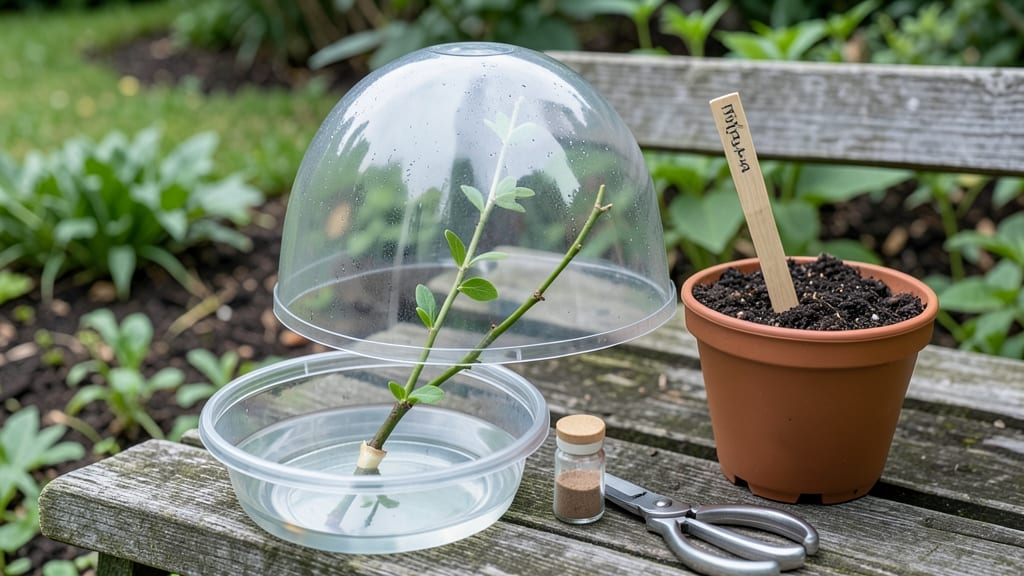
How to grow a willow tree from a branch is the easiest way to get a tree for free. 🌱 I’ve rooted dozens of willow branches—some took weeks, others sprouted roots in days—and the secret lies in understanding their natural growth habits. Unlike finicky seeds, willow branches root effortlessly when you follow a few simple steps, giving you a fast, sturdy tree without waiting years for germination.
The magic happens when you pick the right branch—look for healthy, flexible stems about ¼-inch thick from last year’s growth. Willow branches root best in water or damp soil, and the timing matters: late winter or early spring, just as new buds begin to swell, is ideal.
You’ll need basic supplies—a jar of water or a garden bed, rooting hormone (optional), and a little patience.
Within 2-4 weeks, you’ll see fuzzy white roots forming—proof your cutting is thriving. Once roots reach 2-3 inches long, transplant it to soil, and watch it grow into a towering tree.
The best part? Willow trees grow 3-5 feet per year, turning your cutting into shade in no time.
This method works for weeping willows, pussy willows, or any willow variety—just avoid brittle, dry branches. Whether you’re reviving a dying tree or creating a living fence, willow propagation is the foolproof way to multiply trees without the hassle of seeds or saplings.
📚 In This Guide
- What you need
- Instructions
- Tips and common mistakes
- Wrapping up and next steps
What you need
- ● Willow branch: A healthy, non-flowering branch (3–6 feet long, about pencil-thick) from a weeping willow (Salix babylonica) or another softwood variety. Cut in early spring (before buds swell) or late fall/winter for best results.
- ● Rooting hormone: A fast-acting powder or gel (like Rootone or Clonex) to boost root growth. 1 small jar is plenty.
- ● Well-draining potting mix: A blend of 50% perlite or sand and 50% peat moss or coco coir (sterilized). Avoid garden soil—it’s too dense!
- ● Containers: Two options: Water propagation: A clean bucket, vase, or jar (at least 6 inches deep) filled with room-temperature water.
- ● Soil propagation: 4–6-inch diameter pots with drainage holes (one per cutting).
- ● Pruners or sharp scissors: Sterilized to make clean cuts at a 45-degree angle (just above a leaf node).
- ○ Plastic wrap or humidity dome: A clear plastic bag or cloche to retain moisture (optional but helpful for soil method).
- ● Spray bottle: Filled with water to mist cuttings and keep them hydrated.
- ● Label or marker: To tag your cuttings with the date and willow type.
- ● Hydrogen peroxide (3%) or cinnamon powder to prevent rot when trimming branches.
- ● Fertilizer (balanced, water-soluble) at half-strength to add to water or soil after roots form.
- ● Grow lights if propagating indoors with low natural light.
- ● Outdoor growing space: A partially shaded spot (willows love moisture but hate direct sun when young).
Step-by-step instructions for growing a willow tree from a branch
Here's how I grow willows from cuttings—fast, healthy, and with minimal fuss.
🌱 Step 1: Select and Prepare the Willow Branch
Choose a healthy, flexible branch about 1/4 to 1/2 inch thick and 4-6 feet long—willows root best from semi-hardwood cuttings taken in late winter or early spring. Look for stems that bend without snapping; these have the best chance of rooting. Use clean, sharp pruners to make a 45-degree cut just below a leaf node (the bump where leaves attach).
Strip all but the top 4-6 leaves from the branch. Remove any flowers or buds, as they drain energy from root development. If the leaves are large, trim them in half to reduce water loss. Place the cut end in a bucket of lukewarm water immediately—willow cuttings root fastest when kept hydrated right after harvesting.
💧 Step 2: Root the Branch in Water
Fill a clean container with room-temperature water, ensuring the cut end is submerged 1-2 inches deep. Change the water every 2-3 days to prevent bacterial growth and keep it fresh. Place the container in bright, indirect light—direct sun can overheat the water and stress the cutting. You’ll see tiny white roots emerging from the submerged end in 2-4 weeks.
Here’s the thing—don’t rush this step. Roots need time to establish before transplanting. Once they reach 2-3 inches long, your cutting is ready for soil. I like to wait until roots fill the water around the cut end before moving forward—this ensures a strong start in the ground.
☀️ Step 3: Plant the Rooted Cutting in Soil
Fill a gallon-sized pot with moist, well-draining potting mix (avoid garden soil—it compacts and suffocates roots). Dig a hole twice as wide as the cutting but only 1-2 inches deep. Gently remove the cutting from water, shaking off excess moisture, then place it in the hole so the roots spread naturally. Cover the roots with soil, pressing lightly to secure the cutting without compacting the mix.
Water deeply until it drains from the bottom of the pot. Willow cuttings love moisture but hate soggy soil—your goal is evenly damp, not waterlogged. Place the pot in a shady spot for the first week to reduce transplant shock. After that, gradually introduce it to morning sun before moving to full sun.
🌿 Step 4: Care for the New Tree
Keep the soil consistently moist but not soggy—willows thrive with their roots in damp conditions. Water when the top inch of soil feels dry to the touch. Fertilize lightly with a balanced, water-soluble fertilizer (10-10-10) every 4-6 weeks during the growing season to encourage strong growth. You’ll see new leaves within 2-3 weeks, signaling the cutting has taken root.
Once the rooted cutting grows 6-12 inches tall and develops a sturdy stem, it’s ready for the ground. Plant in a moist, sunny location with well-draining soil. Willow trees love water, so mulch around the base to retain moisture and protect roots from temperature swings. Avoid over-fertilizing—willows grow fast but don’t need heavy feeding.
⏰ Step 5: Monitor and Support Growth
Willows grow fast, sometimes 3-6 feet per year, so check for structural weaknesses as it matures. If the trunk leans or sways in wind, stake it temporarily until the root system stabilizes. Prune any dead, damaged, or crossing branches in late winter to maintain a healthy shape. You’ll know your willow is thriving when it sends out suckers (new shoots) from the base—this is a sign of strong root establishment.
Real talk: Willow trees are tough but can spread aggressively. If you’re planting near a fence or driveway, install a root barrier (buried plastic or metal) to control their wandering roots. With proper care, your cutting will grow into a vibrant, fast-growing tree in no time—just like the ones I’ve grown from cuttings for years.
Tips & tricks for growing a thriving willow tree from a branch
These little details make all the difference between a wilting cutting and a sturdy new tree.
Branch Selection: The right branch is everything—look for stems that bend like a bow rather than breaking. I learned this the hard way after trying to root brittle branches that snapped midway through the process. Also, avoid branches with any signs of disease or pest damage. The 4-6 feet length gives you plenty of working space while keeping the cutting manageable. Confession: I skipped checking for leaf nodes once and ended up with a cutting that refused to root.
Water Temperature Matters: Willow cuttings are sensitive to temperature changes, so lukewarm water is ideal—not cold from the tap, not boiling. I've found that room-temperature water helps prevent shock to the cutting. Change the water every 2-3 days as instructed, but don't skip this step—stale water breeds bacteria that can rot your cutting before roots even form. A splash of hydrogen peroxide (1 part to 10 parts water) every other water change can help keep things fresh.
Root Development Watch: The 2-4 weeks for root formation can feel like an eternity, but patience pays off. I recommend checking weekly by gently lifting the cutting from the water. You'll see tiny white roots first, but wait until they reach 2-3 inches before transplanting. This ensures your cutting has a strong enough root system to handle the soil transition. If you're impatient, you can actually see root growth through clear containers—it's incredibly satisfying and motivating!
Transplanting Strategy: When you're ready to move your cutting to soil, don't rush the process. Gently shake off excess water to prevent waterlogging, then plant at the same depth it was in water. The gallon-sized pot gives plenty of room for root expansion, but avoid overcrowding. After the first week in shade, gradually introduce morning sun to harden the cutting. I've had cuttings that struggled when moved directly to full sun—this gradual transition makes all the difference.
Pro Tips for Grow A Willow Tree From A Branch
- These little details make all the difference between a wilting cutting and a sturdy new tree.
- Branch Selection: The right branch is everything—look for stems that bend like a bow rather than breaking. I learned ...
- Water Temperature Matters: Willow cuttings are sensitive to temperature changes, so lukewarm water is ideal—not cold ...
Frequently asked questions
about growing a willow tree from a branch—because even experts start with questions! Here are answers to the most common ones to help you root with confidence.Can I grow a willow tree from any branch I find?
Not quite! Look for green, flexible branches (about pencil-thick) from a healthy willow tree. Avoid woody, brown, or dried-out stems—they won’t root well. The best time to collect branches is in late winter or early spring, just before new growth starts.
How long does it take for a willow cutting to root?
Willow cuttings are fast growers! With the right conditions (moist soil, indirect sunlight, and humidity), you’ll see roots forming in 2–4 weeks. Once rooted, new shoots may appear in 4–8 weeks. Patience pays off—keep checking gently to avoid disturbing the roots!
What if my willow cutting rots instead of rooting?
Rotting is a common issue, usually caused by too much water or poor drainage. To fix it:
- Ensure your container has drainage holes.
- Use a well-draining mix (perlite + peat or sand).
- Water only when the top inch feels dry.
- Trim any mushy, blackened parts and replant in fresh mix.
If mold appears, reduce humidity and improve airflow.
Can I grow a willow tree indoors?
Willows thrive outdoors, but you can try indoor rooting for short-term propagation. Place your cutting in a bright, humid spot (like a greenhouse or near a sunny window) and mist daily. However, once rooted, transplant it outside as soon as possible—willows need space, sunlight, and moisture to flourish.
What’s the best willow variety for beginners?
Start with weeping willow (Salix babylonica) or crack willow (Salix fragilis)—they’re fast-rooting and forgiving. Avoid osier willows (like Salix viminalis) if you’re new; they can be finicky. Check local nurseries for disease-resistant varieties suited to your climate!
Wrapping up and next steps
Growing a willow tree from a branch is a rewarding journey—one that connects you to nature’s resilience and beauty.
With the right tools, patience, and care, you’ll soon witness roots sprouting and a thriving tree taking shape. Now’s the time to take action! Grab that cutting, follow the steps, and watch your green dream grow.
Ready to expand your gardening skills? Next, explore how to transplant your rooted willow sapling into the ground—or share your progress with fellow plant enthusiasts online! 🌱✨