Size
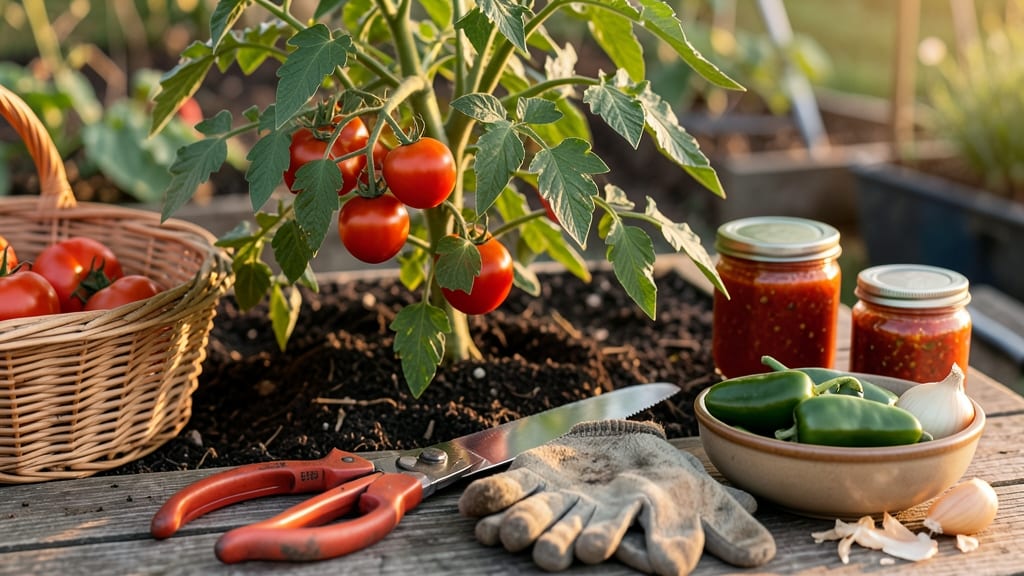
How to grow a salsa garden will soon cover your kitchen table with homemade jars of spicy goodness. 🌶️ Growing a salsa garden isn't just about tomatoes—it's about the perfect mix of bold peppers, fresh cilantro, and sweet onions that transform into vibrant, flavor-packed salsa in just 90 days. I've turned my backyard into a spicy harvest zone, and you can too, even if you're starting from scratch.
The secret lies in planting the right combo—jalapenos for heat, roma tomatoes for texture, and red onions for sharpness—alongside cilantro that stays fresh longer. You'll need 6-8 hours of sunlight daily, well-draining soil, and a simple watering routine that keeps roots happy without drowning them.
Most beginners overwater, so we'll fix that right away.
By midsummer, you'll be harvesting bright red tomatoes, fiery peppers, and puffy green herbs that make store-bought salsa taste like a sad memory. The best part?
Companion planting keeps pests away naturally—basil next to tomatoes, onions between peppers—so you spend less time spraying and more time enjoying your harvest.
Works for small balconies or big backyards, and I'll show you how to stretch your harvest through fall. Let's get those seeds in the ground and turn your garden into a salsa-making powerhouse!
📚 In This Guide
- What you need
- Instructions
- Tips and common mistakes
- Wrapping up and next steps
What you need
- ● Seeds or Seedlings: 1–2 jalapeño plants (or your favorite pepper variety)
- ● 1–2 serrano or habanero plants (for heat lovers!)
- ● 1 tomato plant (roma or cherry for texture)
- ● 1–2 onion plants (yellow or red)
- ● 1 cilantro plant (for fresh garnish)
- ● 1–2 green onion plants (scallions)
- ● Growing Containers or Garden Bed: 5–6 5-gallon pots (with drainage holes) or
- ● A 4’x8’ raised bed (for in-ground planting)
- ● Soil: 1 bag high-quality potting mix (or garden soil amended with compost)
- ● 1 cup perlite or vermiculite (for drainage)
- ● Fertilizer: 1 balanced organic fertilizer (10-10-10 or compost tea)
- ● 1 tbsp Epsom salt (for pepper plants)
- ● Tools: 1 hand trowel or small shovel
- ● 1 pruning shears (for harvesting)
- ● 1 watering can (with a fine rose nozzle)
- ● 1 garden gloves (peppers can be spicy!
- ● 1 grow light (if starting indoors or in low-light areas)
- ● 1 mulch (straw or shredded leaves to retain moisture)
- ● 1 pH testing kit (ideal soil pH: 6.0–7.0 for peppers)
- ● 1 plant support (stakes or cages for tomatoes)
- ● 1 spray bottle (for misting seedlings)
Step-by-step instructions for planning your salsa garden
Here's how to design a high-yield, flavor-packed salsa garden that delivers fresh ingredients in just 90 days.
🌱 Step 1: Select Fast-Maturing Varieties for 90-Day Harvest
Choose peppers, herbs, and onions with 60-90 day maturity ratings. For peppers, I recommend jalapeños (60 days), serranos (70 days), and cherry peppers (65 days)—they pack serious heat and ripen quickly. Herbs like cilantro (50 days) and green onions (60 days) are perfect for frequent harvesting, while yellow onions (90 days) add depth to your salsa base.
I always cross-reference seed packets with my last frost date. For example, if your frost occurs in early May, plant serranos around March 15th to ensure they ripen by June 15th. The key is matching heat units (days above 50°F) with your growing season length. Most salsa gardens thrive in 10-12 hours of sunlight daily, so position your plot where it gets full morning sun and afternoon shade if temperatures exceed 85°F.
🪴 Step 2: Prepare Beds or Containers for High-Yield Production
For in-ground beds, till the soil to 12 inches deep and amend with 2-3 inches of compost to improve drainage and nutrient retention. I like to create raised beds with a 50/50 mix of garden soil and compost—this prevents compaction and keeps roots aerated. For containers, use 5-gallon pots or larger with drainage holes, filled with a lightweight potting mix blended with perlite for extra drainage.
Space plants according to their mature size: 18 inches apart for peppers, 12 inches for onions, and 6 inches for herbs. This prevents overcrowding, which slows growth and spreads disease. I mark planting spots with stakes to avoid misplacing seeds—especially important when dealing with multiple varieties. The goal is to maximize yield without sacrificing plant health.
☀️ Step 3: Plant for Sequential Harvesting and Flavor Balance
Stagger your planting by 2-week intervals to ensure a continuous harvest. Start with peppers and onions in early spring, followed by cilantro and green onions 3 weeks later. This timing ensures peppers ripen first, followed by herbs at their peak freshness. For containers, plant 1 pepper per pot with 2-3 herbs around the base—this mimics the layered flavor profile of a traditional salsa.
Water deeply at planting (1 inch per week) and maintain consistent moisture, especially during flowering and fruiting. I use drip irrigation for in-ground beds to deliver water at the base without wetting foliage, which reduces fungal risks. Watch for first true leaves on peppers—this signals successful germination and the need for balanced fertilizer (10-10-10) every 4 weeks.
✂️ Step 4: Maintain for Peak Flavor and Prolonged Production
Prune pepper plants by removing side shoots (suckers) to direct energy toward fruit production. For herbs, harvest outer leaves first to encourage bushier growth—this keeps cilantro and green onions producing for weeks. I deadhead spent flowers on peppers to prevent bitterness and encourage new blooms. Mulch beds with 2 inches of straw to retain moisture and suppress weeds, which compete for nutrients.
Monitor for pests like aphids or spider mites—these thrive in dry conditions. I spray plants with neem oil at the first sign of infestation, repeating every 7 days until pests disappear. The goal is to keep plants healthy enough to produce bold, flavorful ingredients that make salsa sing. Rotate crops next season to prevent soil-borne diseases from taking hold.
Tips & tricks for growing a flavor-packed salsa garden
Between us, the secret to a salsa garden that delivers restaurant-quality heat and freshness isn't just about planting—it's about timing, soil science, and a few unexpected tricks that make all the difference.
Variety Pairing Strategy: I've found that pairing peppers with complementary herbs in the same container creates a built-in flavor balance. Plant one jalapeño with 2-3 cilantro plants around its base—this mimics how salsa ingredients naturally interact. The cilantro's bright notes cut through the pepper's heat while both thrive in the same moisture conditions. This spatial pairing also makes harvesting easier when you're ready to chop everything together.
Soil Temperature Matters: Don't just check air temperature—use a soil thermometer to ensure your planting mix stays above 50°F for consistent germination. I've seen seeds fail to sprout when soil temps dipped below this threshold, even when air temps were perfect. For containers, place them on black plastic sheets to absorb and retain heat during cooler mornings. This is especially critical for peppers, which are sensitive to temperature fluctuations during their early growth stages.
Sunlight Optimization: While 10-12 hours of sunlight is ideal, I've learned that afternoon shade becomes critical when temperatures exceed 85°F. Install shade cloth (30-50% coverage) over in-ground beds during peak summer hours to prevent pepper blossoms from dropping. For containers, move them to a shaded patio during midday if your climate regularly hits these temps. The difference in yield is dramatic—plants under stress produce fewer peppers, and the existing ones often develop bitter flavors.
Harvesting Hack: When harvesting peppers for salsa, I always leave the stems intact until the last possible moment. This preserves their moisture and prevents the peppers from drying out or developing bitter edges. For cilantro and green onions, I harvest in the morning when essential oils are at their peak concentration. Store harvested herbs in a glass of water in the fridge—they'll stay fresh for up to a week and regrow if you cut them back by about an inch.
Pro Tips for Grow A Salsa Garden
- Between us, the secret to a salsa garden that delivers restaurant-quality heat and freshness isn't just about plantin...
- Variety Pairing Strategy: I've found that pairing peppers with complementary herbs in the same container creates a bu...
- Soil Temperature Matters: Don't just check air temperature—use a soil thermometer to ensure your planting mix stays a...
Frequently asked questions
Got questions about growing your own salsa garden? You’re not alone!
Here are some of the most common queries—plus quick, actionable answers to keep your garden thriving and your salsa fiery and fresh.
When is the best time to plant my salsa garden?
For most climates, start seeds indoors 8–10 weeks before your last frost date (or direct-sow after all danger of frost has passed). Peppers and onions love warmth—aim for soil temps above 55°F (13°C). If you’re in a hot zone, plant in early spring or late summer to avoid scorching heat.
Can I grow a salsa garden in containers or small spaces?
Compact varieties like ‘Jalapeño M’, ‘Shishito’ peppers, and ‘Red Banana’ peppers thrive in 5-gallon pots. Even onions (like ‘Red Creole’) grow well in containers with 6+ inches of depth. Just ensure pots have drainage and get 6+ hours of sunlight daily.
What do I do if my pepper plants turn yellow or wilt?
Yellowing leaves often signal overwatering or nutrient deficiency. Let soil dry slightly between waterings, and amend with balanced fertilizer (10-10-10) or compost. Wilting can also mean underwatering—peppers hate soggy roots but need consistent moisture. Check for pests (like aphids) too!
Do I need to grow all the ingredients myself, or can I mix store-bought?
You can absolutely mix store-bought ingredients! Grow your peppers, onions, and herbs (cilantro, basil, etc.) fresh for peak flavor, but tomatoes, garlic, or vinegar (for balance) are fine to buy. Pro tip: Freeze excess homegrown peppers for year-round salsa-making!
How long until I can harvest and make salsa?
Most peppers (jalapeños, serranos) take 60–90 days to mature, while onions (100–120 days) and herbs (like cilantro, 30–50 days) vary. Start harvesting peppers when firm and glossy—they’ll ripen off the vine too! Aim for late summer or early fall for the best harvest window.
Still stumped? Drop your question in the comments—we’ve got your salsa garden covered!
Wrapping up and next steps
Growing your own salsa garden is a rewarding journey that brings bold flavors right to your kitchen in just 90 days! 🌶️ With the right mix of peppers, herbs, and onions, you’ll enjoy fresh, vibrant ingredients packed with flavor and nutrition.
Whether you’re a seasoned gardener or a curious beginner, this guide makes it simple—just follow the steps, stay patient, and watch your garden thrive.
Now that you’re armed with knowledge, it’s time to roll up your sleeves and start planting! Pick your favorite peppers, grab your seeds, and let your green thumb shine. Happy gardening—and get ready for the best salsa you’ve ever tasted! 🌱