
Companion Plants
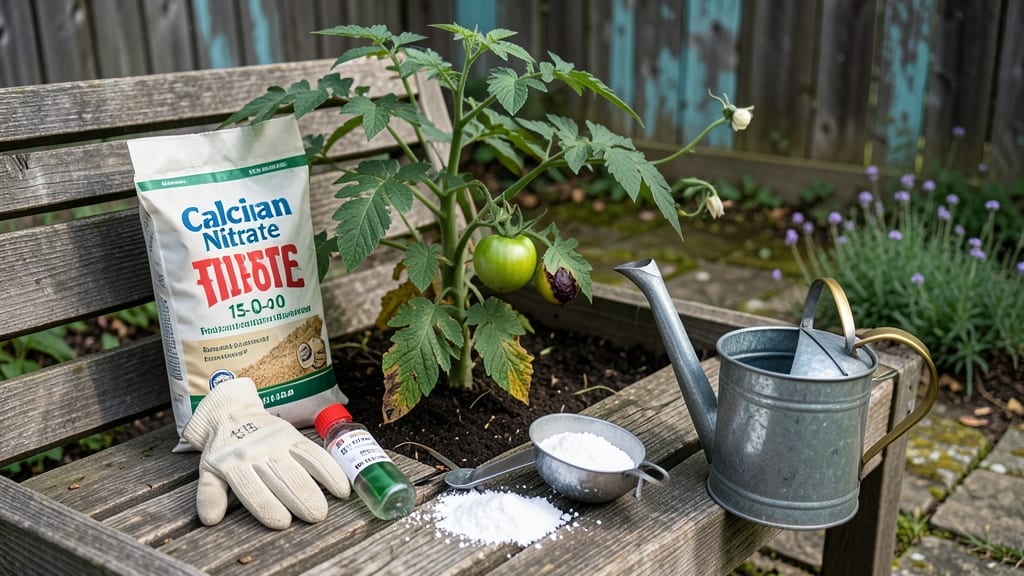
How to give plants calcium—your tomatoes keep cracking at the bottom, and blossom-end rot is your plant’s way of screaming for it. 🌱 The fix is simpler than you think, and it starts with what’s already in your kitchen. Eggshells, crushed and composted, become a natural calcium powerhouse that strengthens stems, prevents rot, and keeps plants growing like they’re on steroids.
Calcium deficiency shows up in weak stems, yellowing leaves, and those dreaded dark spots on fruits. Tomatoes, peppers, and even houseplants like peace lilies crave it, but most garden soils are already calcium-rich—it’s the available calcium that’s missing.
The good news? You don’t need fancy supplements to fix it. Crushed eggshells, wood ash, or even a sprinkle of garden lime can work, depending on your soil’s pH.
By the time you’re done, your plants will stand taller, fruits will firm up, and you’ll save money on store-bought amendments. The key is consistency—apply calcium every few weeks during growing season, and watch your garden transform from "struggling" to "showstopper." No more sad, rotting tomatoes or floppy basil.
Here’s the catch: too much calcium locks out other nutrients, so test your soil first. If your pH is already high, skip the lime and stick with organic sources like eggshells.
For fast results, mix crushed shells directly into the soil around struggling plants—or steep them in water for a liquid boost. Your garden’s secret weapon is already in your trash can.
📚 In This Guide
- What you need
- Instructions
- Tips and common mistakes
- Wrapping up and next steps
What you need
- ● Eggshells: 10–15 clean, empty eggshells (fresh or dried). Pro tip: 💡 Save shells from your breakfast or dinner—no waste!
- ● Baking sheet or tray: One large enough to fit all shells (or a muffin tin for smaller pieces).
- ● Oven or sunny windowsill: For drying (if shells aren’t pre-dried).
- ● Blender, food processor, or mortar & pestle: To crush shells into a fine powder.
- ● Small bowl or container: For storing the crushed eggshells.
- ● Watering can or spray bottle: To mix and apply the calcium solution.
- ○ Gloves (optional but recommended): To protect your hands from sharp shell edges.
- ● Vinegar (white or apple cider vinegar): ½ cup to speed up mineral breakdown (if you’re impatient!).
- ● Compost bin: To toss leftover shell scraps for extra garden nutrients.
- ● pH testing kit: To monitor soil calcium levels if your plants are calcium-deficient.
- ● Label maker: To mark your eggshell powder container (because who can resist a cute "Calcium Crunch" label?).
Step-by-step instructions for boosting plant calcium naturally
Here's how to strengthen stems and prevent blossom-end rot using simple, kitchen-friendly calcium sources.
🌱 Step 1: Collect and Prepare Calcium Sources
Start with crushed eggshells—the most accessible calcium source. Save clean shells from hard-boiled eggs and rinse them thoroughly. Remove any remaining membrane, then chop them into small pieces using a clean mortar and pestle or roll them under a rolling pin. Place the pieces on a baking sheet and bake at 350°F for 10-15 minutes to sterilize them. Let them cool completely before grinding into a fine powder.
If you don't bake them, sterilize by soaking in a 10% bleach solution for 5 minutes, then rinse until no chlorine smell remains. I like to store the powder in a small jar with the label "calcium boost" so I don’t confuse it with other soil amendments. You’ll need about 2 tablespoons of powder per gallon of soil for most plants.
💧 Step 2: Apply Calcium to Soil or Foliar Spray
For soil application, mix the eggshell powder directly into the top 2-3 inches of soil around your plants. Water the area lightly afterward to help it integrate. This method works best for container plants or when you’re repotting. For in-ground plants, sprinkle the powder around the base and gently scratch it into the topsoil with a small hand rake.
For a foliar spray, dissolve 1 tablespoon of eggshell powder in 1 quart of warm water. Stir well, then strain through a fine mesh to remove any grit. Transfer the liquid to a spray bottle and apply to the top and undersides of leaves in the early morning or late afternoon. This delivers calcium directly where plants need it most—through the leaves. Watch for a slight sheen on the foliage, which means the solution is working.
☀️ Step 3: Monitor and Reapply as Needed
Calcium deficiency symptoms like yellowing leaves, weak stems, or blossom-end rot on tomatoes should improve within 2-4 weeks of consistent application. Reapply the eggshell powder every 4-6 weeks during the growing season, or whenever you notice new growth. For container plants, mix a small pinch of powder into the soil at each watering to maintain steady calcium levels.
If you notice crusty spots on leaves after spraying, your solution was too concentrated. Dilute future batches to 1 tablespoon per 2 quarts of water and avoid spraying on hot days—this can cause leaf burn. Healthy plants will show darker green leaves, stronger stems, and fewer signs of stress within a month.
✂️ Step 4: Combine With Other Soil Amendments (Optional)
For extra calcium power, pair eggshells with crushed oyster shell or gypsum, both of which are rich in calcium. Mix 1 part eggshell powder with 1 part oyster shell and sprinkle around the base of plants in early spring. This combo is especially helpful for tomatoes, peppers, and brassicas, which are calcium-hungry crops.
If your soil is heavily compacted, mix the eggshell powder into the top 4 inches of soil before planting. This prevents calcium deficiency from day one. For potted plants, add a small handful of powder to the soil when repotting—it’ll slowly release calcium as roots grow through it.
Tips & tricks for boosting plant health with calcium
Here's what nobody tells you about maximizing those eggshells for plant power.
Sterilization Secret: That 10-minute bake at 350°F isn't just about killing bacteria—it also helps break down the eggshells' protein structure slightly, making the calcium more bioavailable to your plants. After baking, let the shells cool completely before crushing, or they'll release steam when you handle them. I like to spread them on a wire rack for 15 minutes to ensure total dryness before storage.
Crushing Technique: For the best results, crush your eggshells until they're about the size of a pea—this gives you the perfect balance between surface area (for calcium release) and particle size (to prevent clumping). If you don't have a mortar and pestle, a clean coffee grinder works too, but pulse it in short bursts to avoid creating powder. Store your crushed shells in an airtight container with a few drops of vinegar to neutralize any lingering odors.
Application Timing: The 4-6 week application schedule works best when timed with your plant's growth cycles. For fast-growing vegetables like tomatoes and peppers, stick to the 4-week mark. For slower-growing plants like herbs or ornamentals, you can extend to 6 weeks. Always apply after watering—this helps the calcium dissolve properly and prevents it from forming a crust on the soil surface.
Foliar Spray Pro Tip: When making eggshell tea, use filtered or rainwater instead of tap water if your area has hard water. The minerals in hard water can compete with the calcium from your eggshells, reducing effectiveness. For extra potency, add a pinch of seaweed powder to your tea mixture—it contains trace minerals that work synergistically with calcium. Always spray in the early morning so leaves have time to dry before evening, preventing fungal issues.
Pro Tips for Give Plants Calcium
- Here's what nobody tells you about maximizing those eggshells for plant power.
- Sterilization Secret: That 10-minute bake at 350°F isn't just about killing bacteria—it also helps break down the egg...
- Crushing Technique: For the best results, crush your eggshells until they're about the size of a pea—this gives you t...
Frequently asked questions
Got questions about boosting your plants' calcium game? You’re not alone! Here are some of the most common queries—and straightforward answers—to help you crush those crispy leaf edges and weak stems for good.
Can I use eggshells from raw or cooked eggs?
Yes! Both work, but cooked eggshells are easier to clean and sterilize. Just bake them at 200°F (93°C) for 10–15 minutes to kill bacteria, then crush them. Raw eggshells are fine too, but rinsing them thoroughly removes residue that could harm plants.
When’s the best time to add calcium to my plants?
Spring and early summer are ideal—this is when plants are actively growing and need calcium for cell wall strength. For container plants, mix crushed eggshells into the soil before planting. For established plants, top-dress monthly or work them into the top 2–3 inches of soil.
How long does it take for plants to show improvement?
Patience is key! With consistent calcium (like eggshells), you’ll see results in 4–8 weeks. Watch for fewer brown leaf tips (a classic calcium deficiency sign) and sturdier stems. For severe deficiencies, combine eggshells with a balanced fertilizer for faster recovery.
What if my soil is already high in calcium?
Test your soil first with a DIY kit or lab analysis. If calcium levels are optimal (pH 6.5–7.0), skip eggshells and focus on other nutrients like magnesium or potassium. Overdoing calcium can lock out other essential minerals—balance is everything!
My plant leaves are still crispy—what am I missing?
Crispy edges could mean more than just calcium. Check for:
- Water quality: Hard water (high in minerals) can help, but distilled water lacks calcium. Use rainwater or tap water if your area has soft water.
- Over-fertilizing: Too much nitrogen or salt burns roots. Flush soil with water if you suspect buildup.
- Pests: Spider mites or aphids stress plants. Inspect leaves and treat with neem oil if needed.
Pro Tip: Boost absorption!
To maximize calcium uptake, pair eggshells with mycorrhizal fungi (found in organic compost) or a sprinkle of humic acid. These help roots absorb nutrients faster—like giving your plants a calcium IV drip!
Wrapping up and next steps
Giving your plants the calcium boost they need doesn’t have to be complicated—just crunch those eggshells! 🥚 With a little effort, you’ll nurture stronger stems, healthier blooms, and even prevent common issues like blossom end rot.
Whether you’re using eggshells, crushed limestone, or organic amendments, the key is consistency and proper application.
Now that you’re armed with knowledge, take the next step—try it with your own plants and watch them thrive! Share your success (or ask questions) in the comments below—we’re here to help you grow! 🌱