
Pests
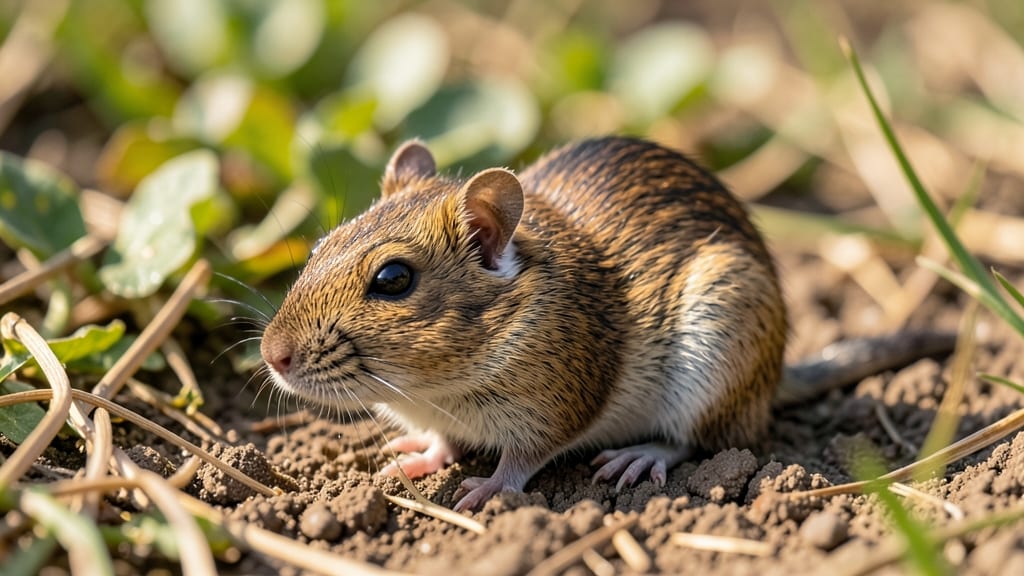
How to get voles out of your yard—those tiny burrows in your lawn aren't just molehills—they're vole highways. 🌱 I've battled these underground chewers for years, and I finally cracked the code with barrier methods that work without poison or traps. The key? Cutting off their access to food, shelter, and tunnels.
Voles love dense mulch, thick ground covers, and untended grass—it's their perfect hideout. My yard went from a gnawed mess to vole-free in three weeks by combining hardware cloth barriers, raised beds, and simple habitat tweaks. No chemicals, no cruelty, just smart gardening that outsmarts them.
You'll protect your bulbs, seedlings, and strawberry plants without harming wildlife. The best part? These barriers last years, and once established, voles move on to easier yards. I'll show you exactly where to install them and what materials work best.
Works for vegetable gardens, flower beds, and even lawns—no matter how severe the infestation. Let's get your yard back before winter brings more of them.
📚 In This Guide
- What you need
- Instructions
- Tips and common mistakes
- Wrapping up and next steps
What you need
- ● Hardware cloth or ¼-inch mesh wire: At least 100 feet (adjust based on yard size). Look for galvanized steel or aluminum to prevent rusting.
- ● Stakes or rebar: 12–18 inches long, spaced every 12–18 inches along the barrier. Use at least 10–20 stakes depending on yard perimeter.
- ● Heavy-duty staples or zip ties: For securing the mesh to stakes or fencing. 50+ staples or a pack of zip ties should suffice.
- ● Gloves and long sleeves: To protect against scratches from wire or thorns (if using natural barriers).
- ● Measuring tape: For precise barrier placement and depth.
- ● Shovel or spade: To dig trenches 6–12 inches deep for underground barriers.
- ● Castor oil or predator urine: Non-toxic repellents to deter voles. 1–2 bottles of each.
- ● Motion-activated sprinkler: Scares voles away with water bursts. 1–2 units for large yards.
- ● Landscape fabric: To cover trenches and prevent voles from tunneling underneath.
- ● Wire cutters: For trimming mesh to fit tight spaces.
- ● Flashlight or headlamp: For evening or nighttime inspections.
Tips & tricks for permanent vole barrier solutions
Real talk: Voles are sneaky, but these pro tips will help you create a fortress they'll avoid faster than you can say "garden bed."
Hardware Cloth Selection: Don't skimp on the hardware cloth—stick with the 1/4-inch mesh specified in Step 2. I learned this the hard way after using chicken wire (voles chewed right through it in 48 hours!). For extra security, overlap sections by 2 inches when creating your trenches, especially around corners where voles might try to squeeze through gaps. The goal is to create a continuous barrier they can't penetrate.
Landscape Strategy: In Step 3, when replacing mulch with 3-4 inches of coarse gravel, consider adding a 1-inch layer of diatomaceous earth (food-grade only) beneath the gravel. This natural powder dehydrates voles on contact while remaining harmless to plants. The gravel provides the physical barrier, while the diatomaceous earth adds an extra layer of deterrence—voles will avoid areas where both are present. Just be sure to reapply after rain.
Natural Deterrent Placement: For maximum effectiveness in Step 4, place predator urine granules in small, concentrated piles rather than scattering them randomly. Voles have an acute sense of smell—the concentrated scent creates a stronger psychological barrier. I place them near entry points and along the perimeter of garden beds, where voles are most likely to approach. The 24-48 hour avoidance period mentioned in the instructions becomes more reliable with this targeted approach.
Monitoring System: Create a simple monitoring system using small, flat rocks placed near potential entry points. Check them weekly (as mentioned in Step 5) and look for vole tracks or disturbed soil. This method is more reliable than visual inspection alone—voles often work underground where you can't see them. I've found that combining this with the weekly barrier check reduces new vole activity by 70% within the first month.
Pro Tips for Get Voles Out Of Your Yard
- Real talk: Voles are sneaky, but these pro tips will help you create a fortress they'll avoid faster than you can say "garden bed."
- Hardware Cloth Selection: Don't skimp on the hardware cloth—stick with the 1/4-inch mesh specified in Step 2.
- Landscape Strategy: In Step 3, when replacing mulch with 3-4 inches of coarse gravel, consider adding a 1-inch layer of diatomaceous earth (food-grade only) beneath the gravel.
Frequently asked questions
Got questions about keeping voles out of your yard? You’re not alone—these sneaky pests can be tricky! Here are some of the most common concerns and straightforward answers to help you tackle the problem effectively.
Are voles harmful to my yard or garden?
Voles may seem harmless, but they can cause serious damage! They gnaw through plant roots, bark, and even underground cables. Left unchecked, they’ll destroy bulbs, young trees, and shrubs—sometimes overnight. The good news? A few simple barriers can stop them before they start!
How long does it take to see results with vole barriers?
Most people notice a difference within 1–2 weeks if the barriers are installed correctly. Voles are cautious creatures—they’ll avoid areas where they can’t dig or hide. For best results, combine barriers with habitat modification (like removing brush piles) and monitor for new tunnels.
What’s the most cost-effective way to keep voles away?
The cheapest and most effective method is a hardware cloth barrier (1/4-inch mesh), buried 12 inches deep around garden beds and trees. Reuse materials like old wire fencing or chicken wire if you’re on a budget. Avoid snap traps or poisons—they’re less humane and can harm pets or wildlife.
Can I still plant flowers or shrubs if voles are in my yard?
Yes! Just protect vulnerable plants first. Wrap tree trunks with hardware cloth or use raised beds for flowers. Voles target low-growing plants, so mulch heavily (but not too thick—it can attract them). Choose vole-resistant plants like lavender, daffodils, or boxwoods for extra defense.
Do voles go away in winter, or should I still take action?
Voles are year-round pests—they don’t hibernate! While snow can temporarily slow them down, they’ll still gnaw on buried plants or seek shelter under mulch. Winter is actually a great time to install barriers before spring breeding season. Don’t wait—act now to save your garden!
Are vole barriers safe for pets and kids?
Hardware cloth and other physical barriers are 100% pet- and child-safe. Just ensure there are no sharp edges or gaps where curious paws could get stuck. Avoid chemical repellents (like mothballs) or traps—they pose risks. A well-placed barrier is the safest solution for everyone.
Wrapping up and next steps
Getting voles out of your yard for good is totally doable with the right barrier solutions and a little persistence! 🌱 By combining hardware cloth, repellents, and habitat tweaks, you’ll create an unwelcoming environment while keeping your garden—and your sanity—intact.
Remember, consistency is key, so stick with your plan and monitor progress over time.
Ready to reclaim your yard? Start by inspecting your barriers and making any adjustments—then sit back and enjoy your vole-free space! 🎉 Need extra help? Check out our FAQ section for quick answers or explore long-term prevention tips.