
Size
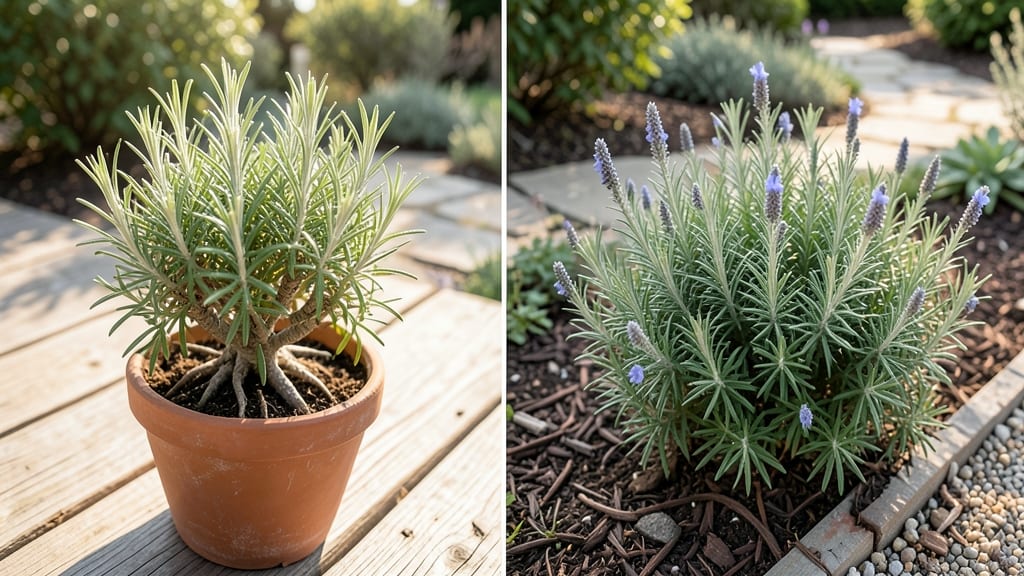
How to get rosemary to grow thrives where most herbs fail—drought, heat, and neglect—but only if you start right. 🌿 I’ve killed more rosemary than I’d like to admit (usually by overwatering), but this method actually works—even for black thumbs. The secret? Mimicking its Mediterranean homeland with sun, soil, and spacing. Most guides overcomplicate rosemary care, but you only need 6 hours of sunlight daily, well-draining soil (sandy or gravelly works best), and watering once a week—or less. Cuttings root faster than seeds, and a single plant can live for decades if pruned correctly. That first fragrant harvest after 3 months makes the effort worth it. You’ll end up with woody stems that smell like a Provençal kitchen, not the sad, leggy plants from grocery stores. The key is not treating it like a delicate houseplant—rosemary wants to be tough. Once established, it’s nearly indestructible, even in containers or poor soil. For slow starters, check your watering (too much kills it faster than too little) and move it to full sun immediately. If leaves yellow, it’s drowning—let the soil dry completely between waterings. This herb isn’t fussy; it just needs respect for its wild roots.
📚 In This Guide
- What you need
- Instructions
- Tips and common mistakes
- Wrapping up and next steps
What you need
- ● Rosemary plant or seeds: 1 nursery-grown rosemary plant (preferred for beginners) OR
- ● Organic rosemary seeds (1–2 packets, ~50–100 seeds each)
- ● Well-draining potting soil: 1–2 bags (10–15 lbs each) of cactus/succulent mix or regular potting soil amended with perlite or sand (20–30% by volume).
- ● Containers: For seeds: 1–2 small pots (4–6 inches deep) with drainage holes.
- ● For plants: 1 large pot (12+ inches deep and wide) OR a garden bed in a sunny, sheltered spot.
- ● Drainage materials: Small pebbles, gravel, or broken pottery shards (1–2 inches layer at the bottom of pots).
- ● Watering can or spray bottle: With a fine rose nozzle for gentle watering.
- ○ Fertilizer (optional but helpful): Balanced liquid fertilizer (10-10-10 or 20-20-20, diluted to half-strength).
- ● OR Slow-release granular fertilizer (like osmocote) mixed into soil.
- ● Pruning shears: Sharp, clean pair for trimming (sterilize with rubbing alcohol).
- ○ Gloves (optional): To protect hands from soil or prickly stems.
- ○ Mulch (optional): Wood chips or straw to retain moisture (avoid organic mulch if rosemary is prone to rot).
- ○ Sunlight meter (optional): To check if your spot gets 6+ hours of direct sun daily.
- ○ Humidity tray (optional): For seedlings if your home is dry.
Step-by-step instructions for growing thriving rosemary plants
Rosemary thrives when you respect its Mediterranean roots—drought tolerance and bright light are non-negotiable.
🪴 Step 1: Choose the Right Location and Soil
Rosemary demands full sun exposure—at least 6-8 hours daily. A south-facing window or outdoor spot gets it right. I always test light by placing a plant in the spot for a week first; if it wilts by afternoon, move it.
Use well-draining soil—rosemary hates soggy roots. Amend heavy soil with sand or perlite (20% by volume) to prevent compaction. The ideal mix feels gritty when dry and breaks apart easily. Test drainage by filling a pot with your soil mix, adding water, and checking if it drains within 15 minutes.
☀️ Step 2: Plant at the Correct Depth and Spacing
Dig a hole twice as wide as the root ball but only as deep as the container’s base. Rosemary roots spread horizontally, so planting too deep suffocates them. Gently loosen the root ball before placing it in the hole—this encourages faster establishment.
Space plants 3-4 feet apart for mature size. Crowding leads to weak growth and disease. Water deeply after planting to settle soil around roots, but avoid creating a muddy hole. You’ll know it’s right when the soil surface looks settled but not compacted.
💧 Step 3: Water Sparingly and Only When Necessary
Rosemary’s drought tolerance is legendary—water only when the top 2 inches of soil feel bone-dry. Stick your finger in; if it comes out clean, it’s time. Overwatering is the #1 killer, causing root rot that turns stems black and mushy.
When you do water, soak the soil thoroughly until water runs out the drainage holes. In containers, this means 1-2 gallons per plant depending on pot size. Mulch with 1 inch of gravel or coarse sand to reduce evaporation and keep roots cool.
✂️ Step 4: Prune for Bushiness and Harvest Strategically
Pinch back new growth when stems reach 6 inches tall to encourage branching. Use clean pruners to cut just above a leaf node—this is where new shoots emerge. Regular pruning keeps rosemary compact and prevents woody stems.
Harvest sprigs from the top third of the plant to maintain shape. Never take more than 1/3 of the plant at once. The best time is after flowering, when oils are most concentrated. Strip leaves from the stem and hang bundles upside down to dry—this preserves flavor better than air-drying flat.
🌿 Step 5: Protect in Winter and Watch for Pests
Rosemary tolerates light freezes (20°F) but struggles in prolonged cold. In zones colder than 7, grow it in containers and move indoors near a sunny window. If outdoors, mulch heavily with straw to insulate roots.
Watch for spider mites—tiny webs on undersides of leaves signal an infestation. Spray with water daily for 3 days to dislodge them. Neem oil (1 tsp per gallon of water) works too, but apply in early morning to avoid harming bees.
Tips & tricks for perfect rosemary growth
Took me years to figure out rosemary's quirks—here's what actually works for lush, fragrant plants.
Light Exposure: That 6-8 hours of full sun is non-negotiable, but here's the thing: morning sun is gentler than afternoon heat. If your rosemary wilts by midday, it's getting too intense. Try moving it to a spot with morning sun and afternoon shade, especially in summer. I've seen plants revive completely after this adjustment.
Soil Science: The 15-minute drainage test is your best friend. If water pools after 15 minutes, your mix needs more sand or perlite. Pro tip: mix in 1 part coarse sand to 4 parts potting soil for perfect drainage. This gritty texture mimics rosemary's natural Mediterranean habitat where water drains quickly.
Winter Survival: That 20°F tolerance is just for light freezes—prolonged cold is deadly. In zones colder than 7, I've had success moving potted rosemary indoors near a south-facing window. The key is keeping it in a cool (not warm) spot—rosemary goes dormant in winter. Grouping plants together also helps maintain humidity around the leaves.
Pruning Secrets: When you pinch back at 6 inches, you're not just shaping the plant—you're forcing it to branch. The magic happens at the leaf nodes where new shoots emerge. I like to do this in early spring when new growth is just starting. And here's what nobody tells you: those pruned stems can be dried and crushed into a fragrant powder for cooking!
Pro Tips for Get Rosemary To Grow
- Took me years to figure out rosemary's quirks—here's what actually works for lush, fragrant plants.
- Light Exposure: That 6-8 hours of full sun is non-negotiable, but here's the thing: morning sun is gentler than afternoon heat.
- Soil Science: The 15-minute drainage test is your best friend.
Frequently asked questions
Got questions about growing rosemary?
You’re not alone! Here are answers to the most common concerns—from pruning to pests and everything in between.
How often should I water rosemary?
Rosemary is drought-tolerant! Water it only when the top 1–2 inches of soil feel dry. Overwatering is the #1 killer—stick to every 1–2 weeks (less in winter). If growing in pots, ensure drainage holes are present to prevent root rot.
How long does it take for rosemary to grow?
With proper care, rosemary can reach 1–2 feet tall in 3–4 months from seed or cutting. Established plants grow 6–12 inches per year. Patience pays off—harvest sparingly in the first year to encourage bushier growth!
What pests or diseases should I watch for?
Rosemary is hardy but can attract aphids, spider mites, or whiteflies. Spray with neem oil or insecticidal soap if needed. Avoid fungal issues by ensuring full sun and airflow. Yellowing leaves? Check for overwatering or nutrient deficiency (try a balanced fertilizer).
When and how should I prune rosemary?
Prune in early spring or after flowering to shape the plant and encourage new growth. Use clean scissors to trim 1/3 of the plant’s length, focusing on woody stems. Avoid heavy pruning in fall—rosemary needs time to harden off for winter.
Can rosemary grow indoors?
Yes! Place it near a sunny window (south-facing is ideal) or use a grow light for 6+ hours daily. Use a small pot with drainage and avoid overwatering. If leaves yellow, it’s likely getting too much love—let the soil dry out between waterings.
What’s the best climate for rosemary?
Rosemary thrives in USDA zones 7–10 but can survive down to zone 5 with winter protection (mulch or move pots indoors). It loves hot, dry climates—if you’re in a humid area, improve airflow to prevent mildew.
Wrapping up and next steps
Growing rosemary is easier than you think—just give it sunshine, well-draining soil, and a little patience! With the right care, this fragrant herb will reward you with lush, aromatic foliage that’s perfect for cooking, healing, or simply brightening up your space. 🌿✨
Now that you’re armed with the know-how, roll up your sleeves and plant your rosemary today! Start small—whether it’s a pot on your windowsill or a patch in your garden—and watch it thrive. Before you know it, you’ll be harvesting fresh sprigs for your favorite dishes. Happy growing! 🌱💚