
Planting
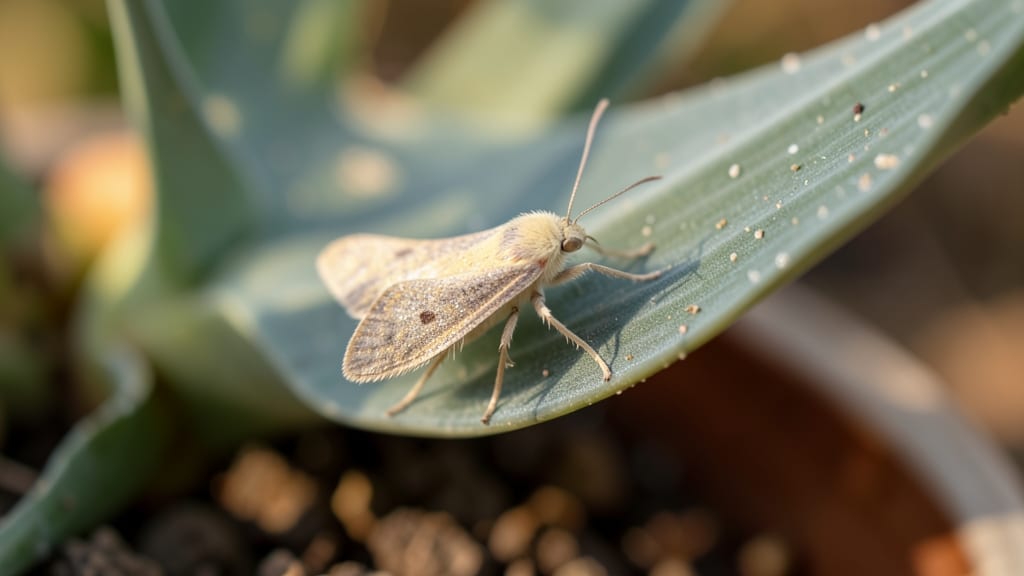
Yucca bugs are the silent assassins of striking foliage—but how to get rid of them from your plant starts with the right strategy. 🌱 I’ve seen them turn a bold, sword-like yucca into a skeleton of brown strands faster than you can say "pruning shears."
The good news? A neem oil spray doesn’t just kill pests—it disrupts their life cycles before they hatch.
Most people wait until the damage is obvious, but the real battle starts with prevention. Overwatering invites scale and mealybugs, while dry conditions attract spider mites.
I’ve learned the hard way that consistent moisture checks (stick your finger in the soil—if it’s bone-dry, water deeply but infrequently) keep pests at bay.
Once bugs appear, neem oil’s the secret weapon. Mix it with water, spray the undersides of leaves where pests hide, and repeat weekly. Within 2-3 weeks, you’ll see fresh, crisp growth pushing through—no more sticky residue or webbing clinging to your plant.
The key? Act fast—neem oil works best when pests are young. And if you’re dealing with yucca moths (those fuzzy white guys), handpick them in the evening when they’re sluggish. Your yucca will bounce back—trust me, I’ve revived worse.
Root Causes Of Yucca Plant Pests
Yucca plants, with their striking architectural beauty and drought-resistant charm, can sometimes become a buffet for unwanted critters. Understanding why these pests show up is the first step to reclaiming your green space. Here’s a breakdown of the most common culprits and their motives:
Yucca plants thrive in well-draining soil, but when their roots become congested or the soil lacks essential nutrients, stress sets in. This weakness makes them vulnerable to pests like yucca moths (Tegeticula species) and yucca weevils (Megacyllene robiniae), which target stressed foliage and stems.
- Why it happens:
- Compacted soil restricts root growth, forcing the plant to divert energy to survival instead of defense.
- Excessive moisture (from overwatering or poor drainage) creates a damp environment, inviting fungal diseases and soft-bodied pests like scale insects or mealybugs.
- Nutrient deficiencies (especially nitrogen or potassium) weaken the plant’s natural pest-repellent compounds, like saponins found in yucca leaves.
💡 Pro Tip: Amend soil with perlite or sand to improve drainage, and conduct a soil test to address deficiencies. A happy plant is a resilient plant!
Yucca plants are a magnet for specific pests because their sap-rich stems, fibrous leaves, and flower structures provide food and shelter. Certain insects have evolved to exploit these features during key life stages.
| Pest | Why They Target Yucca | Peak Activity Season |
|---|---|---|
| Yucca Moth | Females lay eggs in flower buds; larvae feed on developing seeds. | Spring to early summer |
| Yucca Weevil | Adults chew on leaves and stems; larvae burrow into roots or stems. | Late summer to fall |
| Scale Insects | Pierce plant tissues to suck sap; thrive in dry, dusty conditions. | Year-round (worse in heat) |
| Mealybugs | Cluster in leaf axils, feeding on sap and excreting honeydew (which attracts ants). | Warm months (indoors/outdoors) |
🔥 Key Insight: If your yucca is blooming, yucca moths may arrive in force. Prune spent flowers promptly to disrupt their life cycle.
Yucca plants are hardy, but extreme conditions can push them into pest-prone territory. Heatwaves, drought, or sudden temperature swings weaken their defenses, making them easier prey.
- Heat Stress:
- In dry, arid climates, pests like yucca weevils and whiteflies thrive because the plant’s water content drops, making it easier for insects to penetrate tissues.
- Solution: Mulch with gravel or bark to retain moisture and reduce soil temperature fluctuations.
- Humidity & Fungal Allies:
- High humidity encourages soft-bodied pests (e.g., mealybugs) and their natural predators (like ant colonies), which protect pests from natural enemies.
- Solution: Improve airflow around plants and avoid overhead watering.
- Winter Dormancy Disruptions:
- Sudden cold snaps followed by warm spells can stun the plant, leaving it vulnerable to root-feeding weevils or aphids that seek weakened hosts.
- Solution: Apply a light layer of mulch in late fall to insulate roots.
Sometimes, pests hitch a ride into your garden through contaminated tools, soil, or new plants. Here’s how it happens:
- Infested Nursery Stock: Buying yucca plants with hidden eggs or larvae (e.g., yucca weevil grubs in stems) guarantees future problems.
- Tool Transmission: Pruners or shovels used on infected plants can spread pests to healthy yuccas.
- Wildlife Vectors: Birds or rodents may carry pest eggs or larvae from nearby wild yuccas to your garden.
🎯 Prevention Tip: Quarantine new plants for 2–4 weeks, inspect them thoroughly, and sterilize tools with rubbing alcohol between uses.
Yucca plants rely on a delicate ecosystem of predators (like ladybugs, parasitic wasps, or birds) to keep pests in check. When this balance is disrupted—often due to pesticide overuse—pests multiply unchecked.
- Example: Spraying broad-spectrum insecticides to kill aphids might also wipe out ladybugs, leaving your yucca defenseless against scale insects.
- Solution: Opt for targeted treatments (like neem oil) that preserve beneficial insects while disrupting pest life cycles.
Most yucca pest problems stem from stress, poor growing conditions, or human error. By addressing soil health, seasonal care, and pest-proofing practices, you can make your yucca far less appealing to invaders. The key? Act before the bugs arrive—healthy plants are the best deterrent!
Step-by-Step Fixes for Yucca Plant Bugs
Yucca plants are tough, but even they can fall victim to pests like Yucca moths, yucca scales, or aphids—and these critters can wreak havoc on your plant’s health. The good news?
With the right approach, you can eliminate them effectively and keep your yucca thriving. Below, we’ve mapped out practical solutions based on the cause, along with prevention tips to stop future infestations.
Before treating, confirm what’s attacking your yucca. Common culprits include:
- Yucca moths (white, fuzzy larvae or adult moths)
- Yucca scales (tiny, brown, crusty bumps on stems/leaves)
- Aphids (tiny green/black clusters on new growth)
💡 Pro Tip: Use a magnifying glass or take a close-up photo to compare with online guides. Misidentifying pests can lead to ineffective treatments!
1. Neem Oil Spray: The Ultimate Life Cycle Disruptor
Neem oil is a powerhouse for breaking pest life cycles—it’s toxic to eggs, larvae, and adults while being safe for plants (when used correctly).
How to Apply: 👨🍳 Mix: 1 tbsp neem oil + 1 tsp mild soap (like Castile) + 1 quart water. 🥘 Spray: Coat all surfaces (top and bottom of leaves, stems, soil line) thoroughly. ⏰ Frequency: Apply every 7–10 days until pests vanish (usually 2–4 weeks).
✨ Bonus: Neem oil also prevents fungal issues that stressed yucca plants attract.
2. Insecticidal Soap: Quick Knockdown for Soft-Bodied Pests
Aphids and young scale insects have no protective shells, making them vulnerable to insecticidal soap.
How to Apply: 🔥 Mix: 1 tbsp potassium-based insecticidal soap + 1 quart water. 👨🍳 Spray: Directly on pests (test on a small leaf first for sensitivity). 🔪 Repeat: Apply every 3–5 days until infestation clears.
💡 Warning: Avoid petroleum-based soaps—they can harm plants!
3. Horticultural Oil: Smothering Scales & Moths
A heavy-duty oil spray suffocates pests by coating their bodies and eggs.
How to Apply: 🥘 Mix: 2 tbsp horticultural oil (like dormant oil) + 1 quart water. 🌡️ Temperature Check: Apply when temps are above 50°F (cold oil can damage leaves). ⏰ Timing: Best in early morning or late evening to avoid sunburn.
✨ Pro Tip: Reapply every 5–7 days for severe infestations.
1. Prune & Clean Regularly
- Remove infested leaves/stems immediately (bag and toss them).
- Wipe leaves with a damp cloth to remove eggs or debris.
- Disinfect pruners with rubbing alcohol between cuts.
💡 Prevention Hack: Keep your yucca well-spaced—crowded plants attract more pests.
2. Encourage Beneficial Insects
Ladybugs, lacewings, and parasitic wasps love eating yucca pests. Attract them with:
- Dill, fennel, or marigolds planted nearby.
- Avoid broad-spectrum pesticides (they kill good bugs too!).
3. Strengthen Your Yucca’s Defenses
Healthy plants resist pests better. Boost resilience with:
- Balanced fertilizer (low nitrogen, high phosphorus/potassium).
- Proper drainage (yuccas hate soggy roots).
- Bright, indirect light (weak plants attract more bugs).
If pests persist after 4–6 weeks of treatment, consider:
- Systemic insecticide (like imidacloprid) for severe scale/moth infestations.
- Professional pest control if dealing with a large garden.
| Step | Action |
|---|---|
| Identify | Confirm pest type (moths, scales, aphids). |
| Treat | Start with neem oil + insecticidal soap. |
| Monitor | Check daily for new eggs or larvae. |
| Prevent | Prune, attract predators, and keep plants healthy. |
| Repeat | Reapply treatments every 7–14 days until pests are gone. |
With these targeted solutions, your yucca will bounce back stronger—and pests will think twice before crashing your party again! 🌵✨
Frequently asked questions
What are the most common bugs that attack yucca plants?
Yucca plants often face yucca moths (white, fuzzy larvae), scale insects (brown crusty bumps), mealybugs (cotton-like clusters), and aphids (tiny green/black groups). Spider mites may also appear in dry conditions. The key is identifying them early—use a magnifying glass if needed!
How often should I apply neem oil to my yucca?
Apply neem oil every 7-10 days for active infestations, and continue for 2-4 weeks after pests disappear. For prevention, use it monthly during growing seasons. Always spray in the evening to avoid leaf burn from sunlight.
Can I use regular dish soap to kill yucca bugs?
No—only use potassium-based insecticidal soap (never dish soap). Regular soap can damage plant tissues and leave residue. Mix 1 tbsp insecticidal soap with 1 quart water, spray directly on pests, and reapply every 3-5 days until gone.
What should I do if my yucca has black spots after treatment?
Black spots usually mean overwatering or fungal issues from excess moisture. Cut back on watering, ensure proper drainage, and apply neem oil (which also prevents fungi). If spots persist, prune affected areas and improve airflow around the plant.
Are there natural predators that can help control yucca bugs?
Yes! Ladybugs, lacewings, and parasitic wasps eat yucca pests naturally. Plant dill, fennel, or marigolds nearby to attract them. Avoid broad-spectrum pesticides—they kill these helpful insects too!