
Pests
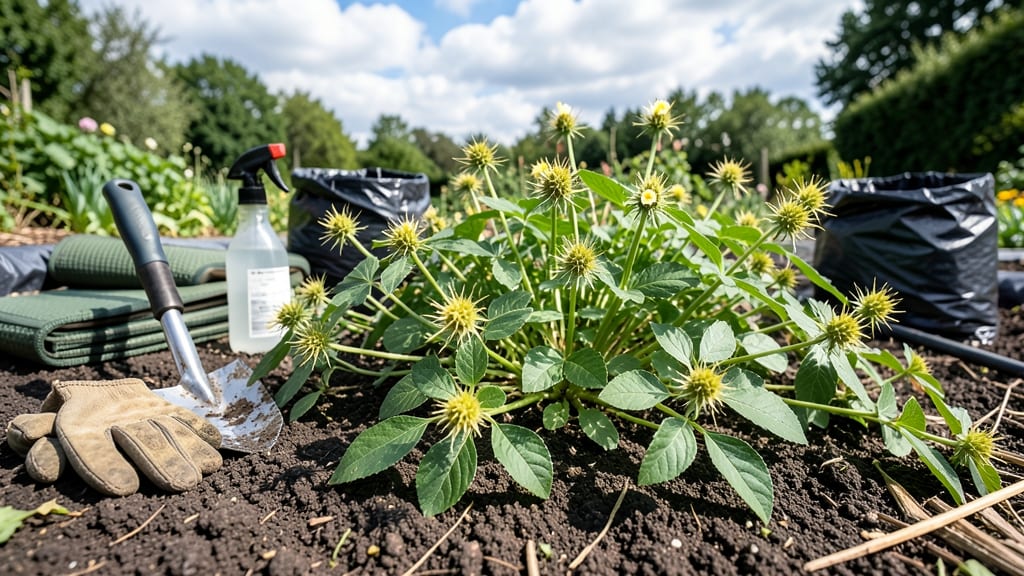
How to get rid of goathead weeds—these spiky little pests are the garden’s most stubborn invaders. 🌱 I've battled them for years, and boiling water isn’t just a quick fix—it’s the permanent solution that actually works. The key lies in timing, technique, and persistence, not just pouring hot water and hoping for the best. These weeds thrive because their spiky seed pods lodge in soil and animal fur, spreading like wildfire. But boiling water sears their roots and prevents regrowth when applied correctly. You'll need a kettle, patience, and the right approach—no fancy tools required. By the end of this, your garden beds will stay clean for months, and you'll recognize those telltale spiky pods before they take hold. The secret? A boiling water barrier that smothers them at the source. Works in lawns, garden beds, and even cracks in pavement. Let's reclaim your space—permanently.
Root Causes of Goathead Spread
Goathead weeds (Tribulus terrestris) don’t just pop up randomly—they thrive because of specific conditions that favor their growth. Understanding these triggers helps you tackle the problem at its source. Let’s break down the science behind why these spiky invaders take over lawns, gardens, and landscapes.
Goathead weeds love disturbed, nutrient-poor, or compacted soil. Here’s why:
- Low Organic Matter: These weeds flourish in soil lacking compost or organic material. Without nutrients like nitrogen, phosphorus, and potassium, your grass or plants struggle, leaving gaps for goatheads to colonize. - Compacted Soil: Heavy foot traffic, machinery, or clay-heavy soil reduces aeration.
Goathead seeds germinate easily in these conditions because they don’t need deep root access to survive. - pH Imbalance: A soil pH outside the ideal range (6.0–7.0 for most plants) weakens desirable vegetation.
Goatheads, however, are adaptable and thrive even in slightly acidic or alkaline soils where other plants fail.
Actionable Fix: Aerate your lawn annually and amend soil with compost to improve structure and fertility. A soil test can reveal pH imbalances—correcting them discourages weed dominance.
Goathead weeds are sun worshippers. Their survival hinges on:
- Full-Sun Exposure: They require at least 6–8 hours of direct sunlight daily. Shady areas (under trees or dense shrubs) see fewer goatheads because their growth slows without ample light. - Heat Resistance: These weeds tolerate drought and high temperatures better than many lawn grasses.
If your grass browns in summer heat, goatheads fill the void, their deep taproots accessing water others can’t reach.
Actionable Fix: Choose drought-resistant grasses like Bermuda or Zoysia for sunny areas. Mulch garden beds to retain moisture and outcompete weeds.
Goathead seeds lie dormant in the soil for years, waiting for the right moment to sprout. Disturbances like:
- Digging or Tilling: Turning soil exposes buried seeds to light and air, triggering germination.
Even a single seed can produce 500+ offspring in a season! - Landscaping Projects: Installing patios, sidewalks, or planting beds disrupts the soil surface, creating ideal conditions for goatheads to take root. - Erosion or Bare Patches: Wind or water can expose fresh soil, giving seeds the perfect opportunity to establish.
Actionable Fix: After disturbing soil, apply a thick layer of mulch or plant ground covers to block light and suppress germination. For construction zones, use landscape fabric before adding topsoil.
Goathead weeds rely on animals (and humans) to disperse their seeds. Their spiky fruits ("goatheads") attach to:
- Paws and Hooves: Dogs, deer, and livestock carry seeds across properties, dropping them in new locations.
- Tires and Shoes: Lawnmowers, ATVs, and even your sneakers can transport seeds from infested areas to pristine ones.
- Wildlife Foraging: Birds and rodents eat the plant’s fruit, then excrete seeds elsewhere.
Actionable Fix: Inspect pets’ paws after walks and clean tools/machinery between uses. Trim grass regularly to reduce hiding spots for wildlife.
Overwatering or inconsistent irrigation creates the perfect storm for goatheads:
- Excess Moisture: While they tolerate drought, goatheads germinate quickly in moist soil. Overwatering lawns or leaky sprinklers create ideal conditions. - Poor Drainage: Waterlogged areas prevent grass roots from establishing, leaving space for weeds.
Goatheads thrive in these soggy pockets. - Drip Irrigation Mismanagement: If drippers are too close to the soil surface, they keep the top layer damp—perfect for seed germination.
Actionable Fix: Adjust sprinklers to water deeply but infrequently (1–1.5 inches per week). Fix drainage issues with sand or gravel amendments.
Goathead weeds outcompete weak or slow-growing grasses. Common culprits include:
- Thin or Patchy Lawns: Gaps from disease, pests, or poor seeding let weeds move in.
- Slow-Germinating Grass Seed: If you overseed in late summer or fall, goatheads may sprout first and dominate before grass fills in.
- Chemical Imbalance: Overusing herbicides can kill desirable plants, creating bare spots where weeds thrive.
Actionable Fix: Overseed in early fall with fast-growing grass varieties like ryegrass. Use pre-emergent herbicides in early spring to block goathead seeds before they sprout.
Goathead weeds are native to warm climates but have spread globally. Key regional triggers:
- Warm, Dry Climates: They dominate in the Southeast U.S., Australia, and parts of Africa where summers are hot and winters mild.
- Monsoon or Rainy Seasons: Sudden downpours soften compacted soil, allowing seeds to germinate en masse.
- Urban Heat Islands: Pavement and buildings raise local temperatures, creating microclimates where goatheads thrive.
Actionable Fix: In colder regions, focus on prevention (mulching, proper mowing). In warm zones, combine cultural controls (like boiling water barriers) with vigilant monitoring.
Pro Tip 💡: Goathead seeds can survive 10+ years in the soil. The best offense is a multi-pronged attack: improve soil health, block sunlight, and disrupt their lifecycle before they take hold.
Once established, they’re nearly impossible to eradicate without aggressive methods—like the boiling water technique we’ll cover next!
Practical Ways to Eliminate Goathead Weeds
Goathead weeds—those spiky, stubborn invaders—can turn your lawn or garden into a minefield. But don’t worry! With the right approach, you can reclaim your space. Below are targeted solutions based on the root causes (literally and figuratively) of these pesky plants, along with prevention tips to keep them from returning.
If your goatheads are still young or in small patches, physical removal is your best first line of defense.
- 🔥 Grab the Right Tools Wear thick gloves (goatheads are sharp—trust us) and use a sturdy pair of gardening pliers or a weed puller to grip the entire root. A trowel can help dig deeper if needed.
- 👨🍳 Pull, Don’t Twist Goatheads have deep taproots, so yanking won’t work. Dig at least 2–3 inches deep to ensure you remove the whole plant. If you leave even a tiny root fragment, it’ll regrow.
- 🗑️ Dispose Properly Do NOT compost goathead weeds—they’ll just sprout again. Seal them in a plastic bag and toss them in the trash.
✨ Pro Tip: Work on dry, sunny days—soil is easier to dig, and the weeds are less slippery.
For stubborn patches or large areas, boiling water is a chemical-free, eco-friendly way to kill goatheads on contact.
- 🥘 Gather Your Supplies
- A large pot (5+ gallons) of water
- A long-handled ladle or watering can (to avoid burns)
- Boiling water (the hotter, the better—aim for 212°F+)
- 🔥 Pour Strategically Focus on the base of the plant, especially where the roots meet the soil. One gallon per plant should do the trick. The heat instantly kills the plant and disrupts regrowth.
- 🌡️ Repeat for Stubborn Spots If the weeds resurface, reapply boiling water after a few days. This method works best on small to medium patches—for large lawns, combine it with other techniques.
💡 Prevention Hack: After treating, cover the area with cardboard or mulch to block sunlight and prevent new seeds from germinating.
If you prefer non-toxic methods, these eco-friendly solutions can help weaken or kill goatheads over time.
- 🌞 Solarization (For Large Areas) - Lay clear plastic sheeting over the infested area and secure the edges with rocks or soil. - Leave it for 4–6 weeks in direct sunlight.
The trapped heat cooks the weeds and roots from the inside out. - Best for bare soil (not grassy areas).
- 🍃 Vinegar & Salt Spray (Spot Treatment) Mix: - 1 gallon white vinegar (20% acetic acid) - 1 cup salt - 1 tbsp dish soap (as a surfactant) Spray directly on the leaves (avoid desirable plants—this is toxic to most vegetation).
Reapply every 2–3 days until the weeds die.
- 🐛 Encourage Beneficial Insects Goatheads aren’t a favorite of most insects, but grubs and beetles may nibble on young seedlings. Plant native flowers (like clover or marigolds) to attract predatory insects that may help keep weed populations in check.
For severe infestations, a targeted herbicide can be effective—but use it sparingly and safely.
- 🔪 Choose the Right Herbicide Look for glyphosate-based or triclopyr-based herbicides (like Roundup or Brush Killer). These work well on broadleaf weeds, including goatheads.
- 🎯 Apply Precisely
- Spot-treat only the goatheads—avoid spraying grass or desirable plants.
- Follow label instructions for dilution and safety precautions.
- Reapply if rain occurs within 24–48 hours.
- ⚠️ Safety First
- Wear gloves, goggles, and long sleeves.
- Do not use near water sources or edible plants.
- Store chemicals out of reach of children and pets.
💡 Alternative: Corn gluten meal (a natural pre-emergent) can suppress weed seeds—sprinkle it in early spring before goatheads germinate.
The best defense? Stopping goatheads from taking root in the first place.
- 🌱 Maintain a Healthy Lawn
- Mow regularly (keep grass at 3–4 inches to block sunlight).
- Water deeply but infrequently (goatheads thrive in dry, compacted soil).
- Aerate and overseed to crowd out weeds.
- 🧹 Stay Vigilant
- Remove weeds early—young goatheads are easier to pull.
- Check soil for seeds before planting new flowers or veggies.
- 🛡️ Create a Barrier
- Mulch heavily (3–4 inches of wood chips or straw) in garden beds to smother seeds.
- Landscape fabric under mulch can block light and prevent germination.
- 🚫 Avoid Spreading Them
- Inspect tools, shoes, and pets after working in infested areas.
- Clean garden beds thoroughly before replanting.
Final Thought: Goatheads are tough, but with consistent effort, you can eliminate them for good. Start with manual removal, reinforce with boiling water or solarization, and prevent regrowth with smart lawn care. Your feet (and lawnmower) will thank you! 🚜💪
Frequently asked questions
Why do goathead weeds keep coming back even after I pull them?
Those spiky seeds can survive 10+ years in the soil! Even tiny root fragments left behind regrow. Always dig 2-3 inches deep and check for hidden roots. For stubborn spots, follow up with boiling water or solarization to kill dormant seeds.
Is boiling water safe for my lawn or garden plants?
Only use boiling water on bare soil or weeds—never near desirable plants. The extreme heat kills everything in its path. For grassy areas, spot-treat carefully and water thoroughly afterward to help recovery. Mulch the treated area to protect new growth.
When is the best time of year to treat goathead weeds?
Target them in late spring to early summer when they're actively growing. This is when their roots are most vulnerable to boiling water or herbicides. Avoid treating in extreme heat—work during morning or evening when temperatures are cooler.
Will vinegar really kill goathead weeds without chemicals?
Yes, but it requires consistent applications! Mix 1 gallon white vinegar + 1 cup salt + 1 tbsp dish soap and spray directly on leaves. Reapply every 2-3 days until the weeds die. Note: This kills all vegetation—use only on target weeds, not grass or garden plants.
How can I prevent goathead seeds from spreading to other areas?
Inspect pets' paws, tools, and shoes after working in infested areas. Clean garden beds thoroughly before replanting, and avoid tilling—this exposes dormant seeds. For high-risk zones, lay landscape fabric before adding mulch to block light.