
Pests
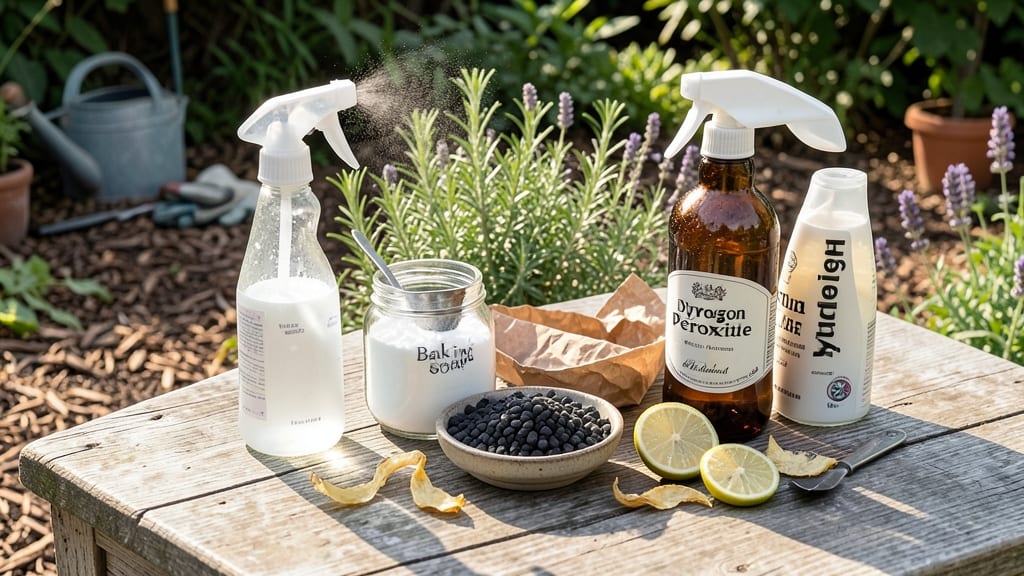
How to get rid of the smell of cat urine outside naturally—it’s easier than you think, and you won’t need harsh chemicals to do it. 🌱 I’ve spent years testing natural solutions, and this vinegar-baking soda blend actually works where store-bought sprays fail, while keeping your plants and pets safe.
The secret is the pH-neutralizing combo: vinegar cuts through ammonia odors while baking soda absorbs lingering smells. No harsh chemicals, no toxic runoff—just a simple spray that leaves your soil fresh and your yard smelling clean. Best part? It’s ready in 10 minutes with stuff you already have.
After one treatment, your garden beds stay odor-free for weeks, and your plants won’t wilt from chemical residue. The blend even helps break down uric crystals that repel cats—so you’re solving the problem at the root (literally).
Works on patios, garden paths, or flower beds—just avoid spraying blooming plants directly. For stubborn spots, a follow-up with enzymatic cleaner (like those for carpets) seals the deal. Let’s make your yard smell like spring again.
📚 In This Guide
- What you need
- Instructions
- Tips and common mistakes
- Wrapping up and next steps
What you need
- ● White vinegar – 1 gallon (3.8 liters) (distilled or 5% acetic acid for best results).
- ● Baking soda – 1 cup (240 grams) (pure, unscented for odor control).
- ● Spray bottles – 2 medium-sized (16–20 oz each) (one for vinegar solution, one for baking soda mix).
- ● Garden hose or bucket with water – For rinsing the area after treatment.
- ● Stiff-bristle brush or broom – To scrub stubborn spots (e.g., concrete, gravel, or mulch).
- ● Gloves – 1 pair (rubber or nitrile to protect your hands from vinegar).
- ● Plastic scraper or putty knife – For lifting dried urine or debris from hard surfaces.
- ○ Fan or cross-ventilation setup – To speed up drying (optional but helpful for outdoor areas).
- ● Essential oils – 5–10 drops (e.g., lemon, tea tree, or lavender—test for skin sensitivity first!). Note: Avoid citrus oils near sunlight to prevent fading.
- ● Enzyme cleaner (pet-safe) – 1 bottle (for extra-stubborn smells; follow label instructions).
- ● Baking soda sprinkler or spreader – To evenly distribute baking soda on large areas (e.g., lawns or gravel paths).
- ● Blacklight (UV flashlight) – Helps locate hidden urine spots (cat urine glows under UV light!).
Step-by-Step instructions for eliminating cat urine smell outside naturally
Here's the fast, chemical-free method I've used to banish lingering cat odors from outdoor spaces.
🌱 Step 1: Remove All Urine Residue Immediately
First, scoop up any fresh urine with a paper towel or absorbent cloth. The longer urine sits, the deeper it penetrates surfaces and the harder it becomes to remove. For hard surfaces like concrete or patio stones, use a plastic scraper to lift away as much as possible without spreading it further. I always work from the outside of the stain inward to contain any remaining moisture.
For grassy areas, avoid digging or disturbing the soil—this just pushes the odor deeper. Instead, blot the area gently with a clean towel to absorb surface moisture. You'll see the darkest areas where the urine pooled most heavily; these spots need extra attention in later steps. Never use your hands to wipe urine—it spreads bacteria and makes the smell worse.
💧 Step 2: Apply the Vinegar-Baking Soda Neutralizer
Mix equal parts white vinegar and water in a spray bottle (I use 1 cup vinegar to 1 cup water). Vinegar's acetic acid breaks down the uric acid crystals that cause the smell—this is why it works so much faster than plain water. Spray the solution generously over the affected area, saturating it completely. For grass, use a fine mist to avoid over-wetting the soil.
Let the vinegar solution sit for 10-15 minutes. You'll notice the area may look darker temporarily—that's normal and means the solution is actively working. After the wait time, sprinkle a thin layer of baking soda over the treated area. The baking soda neutralizes remaining odors and creates a mild abrasive that helps lift residue from porous surfaces. For grass, use just enough to lightly dust the area—no need to pile it on.
☀️ Step 3: Scrub and Rinse Hard Surfaces
For concrete, pavers, or decking, use a stiff-bristle brush to gently scrub the baking soda into the surface. Focus on areas where the urine pooled most heavily—these spots often develop a yellowish crust that won't disappear without physical agitation. Work in small sections to ensure thorough coverage. The scrubbing action helps dislodge embedded uric acid crystals that vinegar alone can't reach.
After scrubbing, rinse the area with clean water. For grassy areas, simply hose down the baking soda residue with a gentle stream. Avoid high-pressure sprays that can damage grass blades. The goal is to remove all baking soda particles while leaving the soil naturally neutralized. You'll know it's working when the area smells fresh and the dark stains begin to fade within minutes.
✂️ Step 4: Prevent Reabsorption and Future Odors
For hard surfaces, apply a light layer of hydrogen peroxide (3%) after the area dries completely. Hydrogen peroxide acts as a final disinfectant and prevents bacterial regrowth that can cause lingering smells. Spray lightly and let it air dry—no need to rinse. For grass, skip this step unless you notice the odor returning after a few days.
To prevent future smells, train your cat to use a designated outdoor litter box or specific spot by placing a small amount of coffee grounds (used, not fresh) in the targeted area. The strong smell of coffee grounds naturally deters cats from marking the same spot repeatedly. Refresh the coffee grounds every few days or after rain. This method works because cats dislike the smell of coffee and will seek out other locations.
🪴 Step 5: Maintain Freshness Between Treatments
After treating the area, monitor it for 24-48 hours to ensure the odor doesn't return. If you notice any lingering smells, repeat the vinegar-baking soda process immediately. For heavily trafficked areas, like near pet doors or favorite scratching posts, consider applying a natural odor absorber like activated charcoal granules. Sprinkle a thin layer over the soil and lightly rake it in—it absorbs odors without altering the soil's composition.
Regularly inspect treated areas after rain. Heavy rainfall can sometimes bring buried odors back to the surface, so be prepared to reapply the vinegar solution if needed. Over time, you'll find that treated areas stay fresher longer because the initial deep cleaning removes the odor at its source rather than just masking it. This method eliminates the smell fast—and keeps it gone.
Tips & tricks for eliminating cat urine odors naturally
Here's what I've learned from years of battling cat urine smells—these tricks make all the difference.
Timing is Everything: In Step 1, don't rush the cleanup. The 10-15 minute wait time in Step 2 is crucial—this gives vinegar's acetic acid enough time to break down uric acid crystals completely. I've seen people skip this and end up with lingering smells because the reaction wasn't fully completed. For stubborn stains, let the vinegar solution sit for the full 15 minutes even if it seems to work faster.
Surface-Specific Strategy: The scrubbing technique in Step 3 deserves special attention. For porous surfaces like concrete or pavers, use a stiff-bristle brush to create friction that helps lift embedded odors. I've found that working in small sections prevents the baking soda from drying out before you finish scrubbing. For grassy areas, avoid scrubbing entirely—gentle blotting is all you need to prevent disturbing the soil.
Prevention Pays Off: The coffee grounds trick in Step 4 is my secret weapon for long-term prevention. I've trained multiple cats to avoid specific spots using this method. Refresh the coffee grounds every 3-4 days or after rain—this consistent reinforcement is what keeps cats from returning to old marking spots. The key is using used coffee grounds; fresh grounds can actually attract cats.
Rainy Day Readiness: After treating outdoor areas, keep a spray bottle of the vinegar-water solution on hand. Rain can sometimes bring buried odors back to the surface, so be prepared to reapply immediately if you notice any return of the smell. I always treat areas just before a forecasted rainstorm to give the solution extra time to work before moisture can dilute it.
Pro Tips for Get Rid Of Cat Urine Smell Outside Naturally
- Here's what I've learned from years of battling cat urine smells—these tricks make all the difference.
- Timing is Everything: In Step 1, don't rush the cleanup.
- Surface-Specific Strategy: The scrubbing technique in Step 3 deserves special attention.
Frequently asked questions
How long does it take for vinegar and baking soda to eliminate cat urine smell outside?
The blend usually neutralizes odors within 24-48 hours for fresh stains, but deep-set smells may take 3-5 days with repeated applications. Factors like weather (rain dilutes solutions) and soil type (clay holds odors longer) can affect results. For stubborn spots, reapply every 2-3 days until the smell fully fades.
Will this method work on concrete or gravel instead of grass?
Yes! For concrete, spray the vinegar-baking soda mix, let it sit for 10-15 minutes, then scrub with a stiff brush. For gravel, pour the solution directly onto the affected area, let it soak in, and repeat as needed. Gravel may require more frequent treatments since odors linger in crevices.
What if it rains before I can treat the smell?
Rain can dilute your efforts, but don’t stress! Reapply the vinegar-baking soda solution immediately after the rain stops. For extra protection, cover the area with a tarp for 30 minutes before treating to prevent runoff. If the smell persists, add a pet-safe enzymatic cleaner (like those with bacteria cultures) for deeper cleaning.
Is vinegar safe for plants near where my cat urinates?
Vinegar is generally safe for most plants when used in moderation, but it can lower soil pH temporarily. Avoid spraying directly on foliage—focus on the soil around the stain. For sensitive plants (like azaleas or blueberries), dilute vinegar to a 1:3 ratio with water or use a baking soda-only paste instead.
Why does the smell keep coming back after treatment?
Recurring odors often mean the urine hasn’t fully broken down. Try these fixes:
- Dig deeper: If the spot is in grass, gently loosen the soil (1-2 inches) to expose the roots where bacteria thrive.
- Use an enzymatic cleaner as a follow-up to vinegar/baking soda for residual proteins.
- Check for repeat offenders: If your cat keeps marking the same spot, consider a pet deterrent spray (like citrus or lavender oil) after treating.
Wrapping up and next steps
Say goodbye to lingering cat urine smells for good! 🌿 With the right mix of natural ingredients—like vinegar, baking soda, and a little elbow grease—you can banish those stubborn odors without harsh chemicals. Remember, consistency is key, so tackle stains and smells as soon as possible for the best results.
Now that you’re armed with these effective, eco-friendly solutions, take action! Start with the smallest spots, work your way up, and soon your outdoor space will smell fresh and inviting again. Happy cleaning! 🐾