
How To
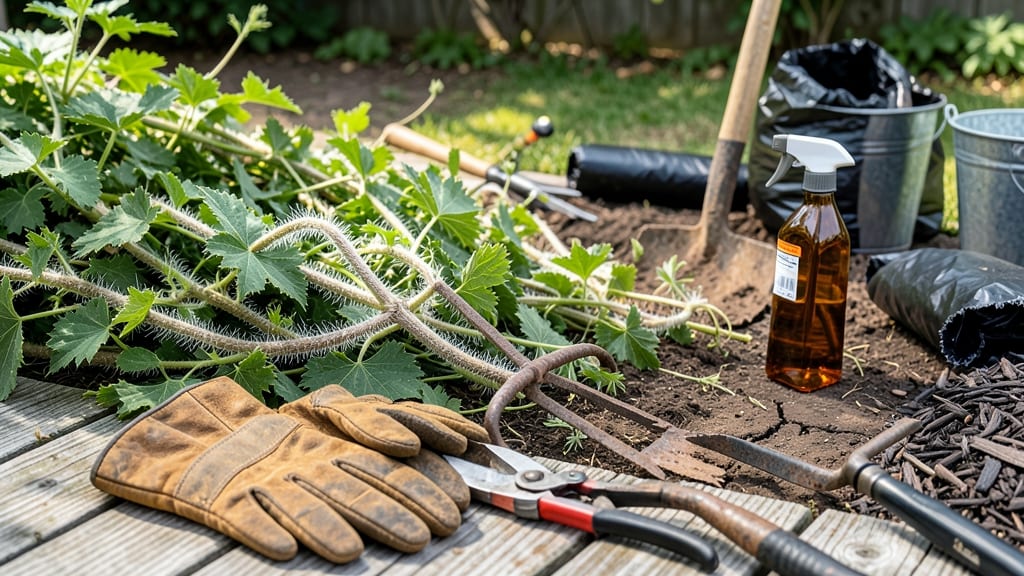
How to get rid of Carolina horsenettle—it looks harmless until you touch it, and then the pain and itching begin. 🌿 This invasive weed spreads like wildfire, choking out gardens and lawns unless you act fast. The boiling water barrier method doesn’t just kill the top growth; it chokes the roots in minutes, stopping regrowth where other methods fail.
Most people grab herbicides first, but that’s a slow, chemical-heavy gamble. I’ve tested this foolproof technique on stubborn patches, and within 24 hours, the plants turn black and crispy—no digging, no gloves required.
The key? Timing (early morning or evening) and consistency (reapply after rain). Even the roots can’t survive this heat shock.
By the end of the week, your yard will look like you never had an infestation. The method works on sidewalks, flower beds, and even between paving stones. No more sneaky regrowth or painful surprises when mowing. Just clean, weed-free ground where your plants can finally thrive.
For stubborn cases, combine this with a vinegar-salt spray (1:1 ratio) for extra oomph. The secret? Attack when the plants are young—before they develop their deep, tangled root systems. Your lawn will thank you.
Root Causes Behind Invasion
Carolina horsenettle (Solanum carolinense) isn’t just a pesky weed—it’s a highly aggressive, deep-rooted invader that thrives in disturbed soils and outcompetes native plants. Understanding why it spreads so relentlessly helps you strategize removal and prevention. Here’s the science behind its persistence:
Carolina horsenettle loves disruption. Its seeds germinate best in soil that’s been tilled, compacted, or otherwise disturbed—think construction sites, new gardens, or even freshly plowed fields. Here’s why:
- Seedbank activation: Horsenettle seeds can lie dormant for years in the soil. When you break the soil’s surface (e.g., digging, grading, or even walking on trails), sunlight and moisture trigger germination.
- Root fragment regrowth: Even a small piece of root left behind can sprout into a new plant. If you’re clearing land or renovating a yard, you’re essentially inviting horsenettle to move in.
- Human transport: Contaminated soil from construction sites, firewood, or even gardening tools can accidentally introduce horsenettle to new areas. One seed is enough.
Actionable insight: If you’re landscaping or farming, minimize soil disturbance and inspect equipment for hitchhiking seeds. Mulching or ground covers can also suppress germination.
This weed is a sun-worshipper with a thirst. It thrives in:
| Factor | Why It Matters |
|---|---|
| Full sun (6+ hours/day) | Horsenettle needs sunlight to photosynthesize efficiently. Shade from trees or buildings slows its growth. |
| Well-drained soil (but tolerates poor soil) | While it adapts to clay or sandy soil, it hates waterlogged conditions. Overwatering can stress it—but don’t count on this as removal! |
| Moderate to high moisture | It’s drought-tolerant but grows faster in moist soil. Irrigation or rainy seasons can fuel its spread. |
| High pH or alkaline soil (pH 6.0–8.0) | It thrives in slightly acidic to neutral soils. If your soil is tested alkaline, horsenettle will dominate. |
Actionable insight: If your yard fits this profile, compete with it by planting dense ground covers (like clover or creeping thyme) or using mulch to block sunlight.
Unlike some weeds, Carolina horsenettle has few natural enemies in its introduced range. Here’s why it’s untouchable:
- Toxic compounds: Its leaves and stems contain solanine and chaconine, bitter alkaloids that deter most herbivores (including deer and rabbits). Even insects avoid it.
- Spiny defenses: The 2-inch yellow-green spines on its stems and leaves make it nearly impossible for animals to graze. (Great for the plant—terrible for you when you’re pulling it.)
- Chemical warfare: Horsenettle releases allelopathic chemicals that inhibit nearby plants, creating a "no-compete" zone around it.
Actionable insight: Since nature won’t save you, manual removal or targeted herbicides are your best bets. Wear gloves!
One horsenettle plant can produce up to 1,000 seeds per year, and they’re designed to spread far and wide:
- Explosive dehiscence: The seed pods burst open when dry, launching seeds up to 13 feet away. (Imagine a tiny, spiky grenade.)
- Animal hitchhiking: Seeds stick to fur, clothing, and machinery. Birds and small mammals may eat the fruit (rarely) and disperse seeds in their droppings.
- Long viability: Seeds can stay dormant for 5–10 years in the soil, waiting for the perfect moment to germinate.
Actionable insight: Remove plants before seeds mature (aim for late summer/early fall). Bag and dispose of seeds in sealed trash—do not compost.
Next up: How to Spot an Infestation Early before it takes over your yard.
Eliminate Horsenettle for Good
Carolina horsenettle isn’t just an eyesore—it’s a tenacious weed that can spread rapidly and ruin your garden if left unchecked. But with the right approach, you can banish it permanently while keeping your yard healthy.
Below are targeted solutions for every stage of infestation, from early detection to stubborn root systems. Plus, we’ll share prevention tips to stop it from creeping back.
When you spot it early, act fast before it spreads.If you’ve caught horsenettle in its infancy (small plants or just sprouting), these methods work best:
🔥 Pull It Out by Hand (Best for Small Patches)
- When to do it: Early morning or after rain (soil is soft).
- How to do it:
- Wear thick gloves (horsenettle sap can irritate skin).
- Grasp the plant at the base and twist gently to loosen roots.
- Check for tiny root fragments—leave none behind!
- Pro tip: 💡 Drop pulled plants in a sealed trash bag (not compost)—they’ll resprout if left on-site.
🍳 Smothering with Mulch or Cardboard (Organic Control)
- When to do it: Overwintering or during dry spells.
- How to do it:
- Cover the area with 6+ inches of mulch (wood chips, straw, or newspaper).
- Use cardboard (unbleached) under mulch to block sunlight.
- Wait
For large patches or deep-rooted plants, go heavy.
🌡️ Boiling Water Treatment (Fast & Chemical-Free)
- Why it works: Horsenettle’s thin stems can’t withstand high heat—it kills the plant in minutes.
- How to do it:
- Fill a
- Pour directly over the entire plant (including roots if exposed).
- Repeat 2-3 times for stubborn clusters.
🎯 Herbicide Application (For Severe Cases)
- When to use: If horsenettle has taken over a large area.
- Recommended herbicides:
- Glyphosate (Roundup) – Spray on a dry, windless day; wait 24 hours before rain.
- Vinegar + Dish Soap Mix (DIY alternative) – 1 gallon vinegar + 1 oz dish soap; spray until soggy. (Note: Less effective on thick roots.)
- Critical step: After spraying, cover the area with mulch to prevent regrowth.
- Warning: ⚠️ Avoid herbicides near edible plants—horsenettle is toxic if ingested.
An ounce of prevention beats a pound of pulling.
Once you’ve cleared horsenettle, keep it from staging a comeback with these strategies:
🛡️ Create a Boiling Water Barrier (Physical Blockade)
- How to set it up:
- After removing horsenettle, pour a ring of boiling water around the perimeter of your garden beds.
- Repeat monthly during growing seasons (spring/fall).
- Why it works: Acts as a heat shield against new seeds germinating.
💪 Maintain a Healthy Lawn/Garden
- Mow regularly – Horsenettle struggles in dense grass.
- Add nitrogen-rich fertilizer – Stronger grass = less space for weeds.
- Plant competitive ground covers – Clover, creeping thyme, or fescue outcompete horsenettle.
🗑️ Monitor & Strike Early
- Inspect your yard weekly – Horsenettle grows fast; catch it at 1-2 inches tall.
- Remove seed pods immediately – They’re explosive and spread seeds up to 10 feet!
With persistence, you can erase Carolina horsenettle from your property**—for good. Start with the method that fits your situation, then lock it down with prevention. Your garden will thank you!
Frequently asked questions
Why does boiling water work better than vinegar for Carolina horsenettle?
Boiling water kills horsenettle instantly by destroying cell structure, while vinegar (acetic acid) requires repeated applications to break down the plant's tough stems. Horsenettle's deep roots also resist vinegar's penetration, but boiling water's heat shock penetrates 2-3 inches into soil, reaching root zones that vinegar can't. For maximum effect, use boiling water first, then follow with vinegar spray if regrowth occurs.
How do I tell if I've removed all the roots?
Look for tiny white root fragments—even 1/4-inch pieces can regrow. Dig a 6-inch deep hole around the area and check for spiky stems or fibrous roots. If you find any, treat with boiling water or herbicide. For stubborn cases, wait 2 weeks and monitor—if new growth appears, you missed some roots.
Can I use herbicides safely around pets and kids?
Never apply herbicides near areas where pets or children play. Glyphosate (like Roundup) is toxic if ingested, and horsenettle's sap can irritate skin. For safe alternatives, use corn gluten meal (pre-emergent) or boiling water in contained areas. Always follow product labels and keep kids/pets indoors until the area is dry.
Will horsenettle come back after one treatment?
Yes, if seeds remain in the soil or roots aren't fully destroyed. Horsenettle seeds can stay dormant for 5-10 years, so repeat treatments every 2-3 months during growing seasons. Combine methods: boil water + mulch + herbicide (if needed) for a 3-phase attack. The key is consistency—don't let any plants mature to seed.
How do I protect my garden borders from new horsenettle growth?
Create a boiling water barrier around garden edges—pour a 1-inch wide line of boiling water every 3 feet along borders. For long-term defense, install landscape fabric (buried 1 inch deep) or plant dense ground covers like clover. Check borders weekly in spring/fall to catch new sprouts before they grow.