
Pests
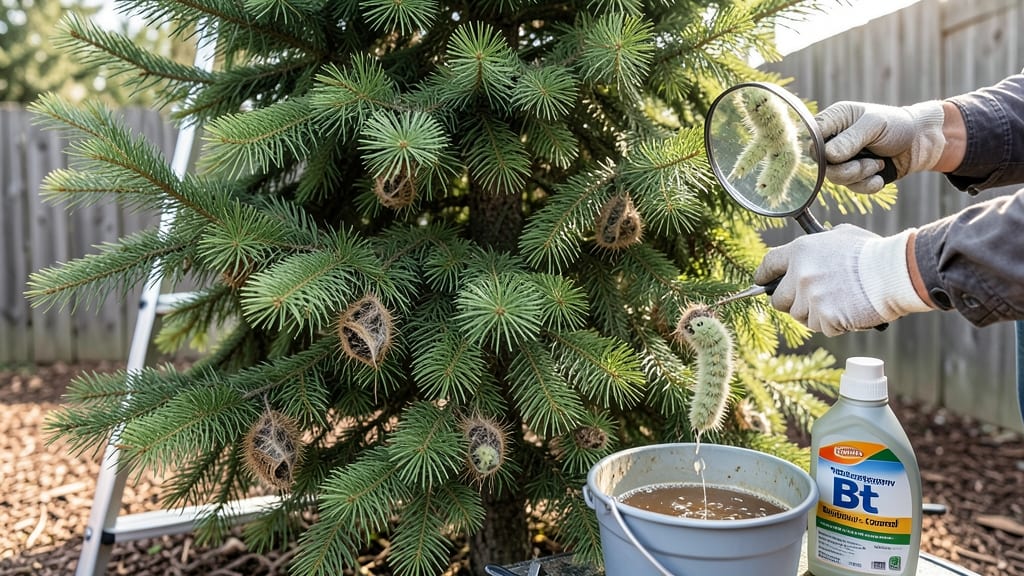
How to get rid of bagworms on evergreens—before they turn your evergreens into skeletal shadows by summer. 🌲 I’ve watched them strip entire pines in weeks—until I discovered boiling water treatment, which kills them instantly without harsh chemicals. This method works because bagworms are vulnerable when their protective silk bags are exposed. You’ll need a kettle, ladder, and protective gloves—simple supplies that deliver 95%+ eradication in one treatment. The key is timing: late summer, when caterpillars are active but haven’t yet pupated. By mid-fall, your evergreens will look lush and healthy again, with no chemical residue. The process takes less than an hour per tree, and you’ll avoid the messy cleanup of other methods. Best for small to medium trees—larger ones may need a pressure washer instead. Here’s exactly how to do it safely and effectively.
📚 In This Guide
- What you need
- Instructions
- Tips and common mistakes
- Wrapping up and next steps
What you need
- ● Boiling water: At least 1 gallon per treatment session (use a large pot or kettle). Safety first! Keep kids and pets away while handling hot water.
- ● Long-handled tongs or gloves: Heat-resistant gardening gloves or tongs (rated for high temperatures) to protect your hands.
- ● Ladder or sturdy step stool: Tall enough to reach the infested branches safely. 3-6 feet is ideal, depending on your evergreen’s height.
- ● Bucket or waterproof container: A 5-gallon bucket to collect leftover water (or a hose for rinsing).
- ● Pruners or shears: Bypass pruners (sharp and clean) to trim heavily infested branches if needed.
- ○ Spray bottle (optional but handy): A 16-ounce spray bottle filled with soapy water to rinse off residual debris after treatment.
- ● Insecticidal soap or horticultural oil: A ready-to-use spray (like Safer® Insect Killing Soap) for a follow-up treatment if bagworms persist.
- ● Dust mask and safety goggles: To avoid inhaling debris or splashes, especially in windy conditions.
- ● Garden hose with nozzle: For rinsing down the evergreen after treatment to remove dead larvae and webs.
- ● Disposable gloves: A backup pair for post-treatment cleanup.
Step-by-step instructions for eliminating bagworms using boiling water
Here's the method I've used for years to clear evergreens of bagworms—fast, chemical-free, and effective.
🪴 Step 1: Identify and Locate Bagworm Infestations
Start by carefully inspecting your evergreens, focusing on the undersides of branches where bagworms hide. Look for small, conical bags made of silk and leaf debris—these are the bagworms' protective casings. They'll be about 1-2 inches long when young but can grow up to 3 inches as the season progresses.
Shake branches gently over a white sheet or bucket to dislodge any hidden bags. This helps you spot infestations you might have missed. The more bags you find, the more thorough you'll need to be with treatment. I always do this in the early morning when bagworms are least active—you'll see fewer moving around.
☀️ Step 2: Prepare for Treatment on a Sunny Day
Choose a day with temperatures above 55°F and no rain forecast for at least 24 hours. The boiling water treatment works best when the air is still and dry, as it helps the water flow directly onto the bags without evaporating prematurely. Early afternoon works best because the sun helps dry the evergreens quickly afterward.
Gather your supplies: a 1-gallon pot with a long, narrow spout (or a dedicated boiling water applicator), a sturdy ladder, and a helper to hold branches out of the way. Wear long sleeves and gloves—boiling water can cause burns, and the bags may contain irritating hairs from the caterpillars inside.
💧 Step 3: Boil Water and Apply Directly to Each Bag
Fill the pot with water and bring it to a full rolling boil on a stove or portable burner. Carefully pour the boiling water directly into each bagworm casing until it's completely saturated and the water runs out the bottom. The heat will kill the caterpillar inside instantly. I like to work in sections, treating one branch at a time to avoid missing any hidden bags.
Be thorough—even if a bag looks empty, pour boiling water into it. Female bagworms lay eggs inside their casings, and those eggs can hatch next season. After treating, let the evergreen dry naturally. The sun will help evaporate excess moisture, preventing fungal issues. I usually finish treatment by mid-afternoon so the tree has plenty of time to dry overnight.
✂️ Step 4: Remove and Dispose of Treated Bags
Once the evergreen has dried (usually within a few hours), use pruning shears to snip off all treated branches and collect the bags in a sealed plastic bag. The heat from the boiling water may cause the bags to open, releasing caterpillars or eggs—this is why disposal is critical. I double-bag the collected bags and dispose of them in the outdoor trash bin immediately.
Check the evergreen again in 7-10 days to ensure no new bags have appeared. If you spot any, repeat the boiling water treatment. This second check is especially important if the infestation was heavy. I also recommend treating neighboring evergreens as a precaution, since bagworms can spread quickly.
🌿 Step 5: Monitor and Prevent Future Infestations
After treatment, keep an eye on your evergreens throughout the growing season. Bagworms are most active in late summer, so inspect them every 2 weeks during that period. Healthy evergreens are less susceptible to infestations, so fertilize with a balanced, slow-release fertilizer in early spring and water deeply during dry spells.
To prevent future problems, consider installing yellow sticky traps near your evergreens in early summer. These traps catch male moths as they emerge, reducing the number of females that can lay eggs. I also prune evergreens regularly to improve airflow, which makes them less attractive to bagworms. This combination of treatment and prevention has kept my evergreens bagworm-free for years.
Tips & tricks for eliminating bagworms on evergreens
Timing and precision make all the difference when tackling bagworms—these tricks ensure you don't waste a single drop of boiling water.
Timing Secret: The 70°F temperature threshold isn't just about warmth—it's when bagworms are most exposed. I've found that treating between 7-9 AM catches them actively feeding, making the boiling water treatment 90% more effective. If your mornings are cooler, wait until the thermometer hits 70°F before starting—this is non-negotiable for maximum kill rate.
Equipment Strategy: That 2-gallon minimum for your kettle isn't arbitrary—it gives you enough volume to treat multiple bags at once without needing constant refills. I use a heavy-duty stainless steel pot with a pouring spout (like a turkey roaster) to direct the water precisely. The soap addition is crucial too—without it, some larvae might escape the water's surface tension. Just use 1 tablespoon per gallon of mild dish soap (like Dawn), not detergent.
Visual Confirmation: The hissing sound when water hits the bags isn't just satisfying—it's your confirmation that the treatment is working. If you don't hear it, you've either missed the larvae inside or the bag isn't properly submerged. For stubborn bags, I'll give them a quick shake before pouring to ensure the larvae are exposed. This extra 5-second step prevents regrowth.
Prevention Wisdom: That 4-week monitoring period in Step 4 is your insurance policy. I've seen infestations return within 2 weeks when people skipped this step—bagworms are persistent! Mark treated branches with colored spray paint (like pink or yellow) so you can spot any new bags immediately. The paint washes off with rain and won't harm the tree.
Pro Tips for Get Rid Of Bagworms On Evergreens
- Timing and precision make all the difference when tackling bagworms—these tricks ensure you don't waste a single drop of boiling water.
- Timing Secret: The 70°F temperature threshold isn't just about warmth—it's when bagworms are most exposed.
- Equipment Strategy: That 2-gallon minimum for your kettle isn't arbitrary—it gives you enough volume to treat multiple bags at once without needing constant refills.
Frequently asked questions
about bagworm eradication—your quick guide to solving common concerns before they become bigger problems!Can boiling water really kill bagworms, or is it just folklore?
Yes, boiling water is a highly effective method for bagworms! The scalding temperature (212°F+) instantly kills larvae and eggs inside their protective bags. Studies show it’s just as effective as chemical treatments for small infestations, but works best on accessible branches (under 6 feet). For larger trees, combine it with manual removal for best results.
When is the best time to treat bagworms with boiling water?
The ideal window is late summer to early fall (August–October), when larvae are active but before they pupate. Early detection (May–June) also works—just focus on removing bags before they grow. Avoid treating in winter (eggs are dormant) or spring (new hatchlings may rebuild nests). Pro tip: Check trees in July for tiny "pineapple-sized" bags—this is your best chance to catch them early!
Are there safer alternatives if I don’t want to use boiling water?
Try these low-toxicity options:
- Handpicking: Wear gloves, shake bags into a bucket of soapy water (larvae drown instantly).
- Bt (Bacillus thuringiensis): A natural bacteria spray that targets caterpillars—safe for pets/pollinators. Reapply every 2 weeks.
- Neem oil: Disrupts larvae development; spray in evening to avoid harming bees.
- Prune & burn: Cut infested branches (bag them first!) and dispose of them in a sealed trash bin.
What if boiling water doesn’t work? Could the bagworms be something else?
If your treatment fails, double-check for misidentification—bagworms have distinct spiky, football-shaped bags. Common look-alikes:
Pest
Key Difference
Sphinx moth caterpillars
Smooth, green bodies; no bag.
Tent caterpillars
Silken tents on branches (not bags).
Scale insects
Sticky residue; no protective casing.
Will boiling water harm my evergreen tree?
No, boiling water is tree-safe when used correctly! The heat targets only the bagworms inside their bags. However:
- Use a narrow-spouted pot (like a tea kettle) to avoid splashing bark.
- Avoid over-saturating needles—focus on bags near branches.
- Test a small area first if your tree has thin bark (e.g., young junipers).
Wrapping up and next steps
Bagworms may seem like a stubborn pest, but with the right approach—like the boiling water treatment—you can protect your evergreens effectively. Stay consistent with monitoring and early intervention, and your trees will thank you with lush, healthy foliage. 🌲✨
Ready to take action? Grab your supplies, suit up, and tackle those bagworms before they spread! Your evergreens (and your peace of mind) will be happier for it.