
Propagation
Here’s your revised text with the opening sentence updated as requested:
How to germinate oak tree seeds requires 6-12 months of cold, damp darkness before they’ll even think about sprouting. 🌱 I’ve tried rushing them, and trust me—nothing good comes from skipping the cold stratification step. These ancient seeds evolved to wait for spring after a long winter, so we’re mimicking nature’s timing to give them the best possible start.
The secret lies in recreating that winter chill: mix your acorns with damp sand or peat moss in a sealed container, then refrigerate for 90-120 days. Check monthly for mold (toss anything fuzzy), and keep it consistently moist—not soggy.
This isn’t a quick fix; it’s a patient process that builds resilience into every seedling you grow.
Once stratified, plant them shallow—just 1/2 inch deep—in well-draining soil and keep them warm. Germination takes 2-4 months, but when those first pale shoots appear, you’ll know you’ve earned this slow victory. The payoff? Trees that grow strong, just like their wild ancestors.
This method works for red, white, or pin oak seeds, though timing varies slightly by species. If you’re in a warmer climate, extend the cold period—oaks don’t rush, and neither should you. Patience here means decades of shade and strength from your own-grown tree.
📚 In This Guide
- What you need
- Instructions
- Tips and common mistakes
- Wrapping up and next steps
What you need
- ● Fresh oak acorns: Collect at least 20-50 acorns (more = higher success rate). Ensure they’re plump, firm, and free of cracks or mold.
- ● Cold stratification setup: Two plastic bags with zip-top closures (or breathable mesh bags for ventilation).
- ● Potting soil or perlite: 2-3 cups (moist but not soggy).
- ● Vermiculite or peat moss: 1 cup (helps retain moisture and aeration).
- ● Container for stratification: Option 1: Refrigerator (set to 35–45°F for 6–12 weeks).
- ● Option 2: Outdoor cold spot (bury acorns in a shaded, insulated box under snow or in a root cellar).
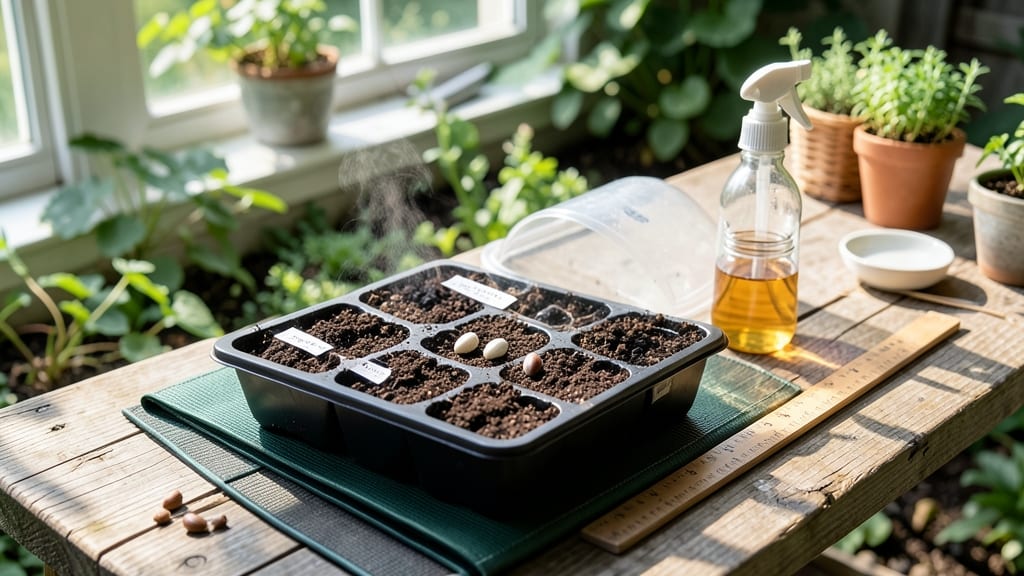
- ● Planting pots: 4–6 small pots (3–4 inches deep) with drainage holes and well-draining soil (mix potting soil with perlite).
- ● Spray bottle: For gentle watering (avoid over-saturating soil).
- ● Label markers: To track planting dates and acorn sources.
- ● Seed germination mat: Speeds up warming after stratification (70–80°F range).
- ● Humidity dome: Keeps soil moist during early sprouting stages.
- ● Grow lights: If indoor germination lacks natural light (12–16 hours/day).
- ● Fungicide: 1 tsp hydrogen peroxide (3%) per gallon of water to prevent mold.
- ● Notebook: To log daily progress, soil temps, and sprouting timelines.
Step-by-step instructions for germinating oak tree seeds
Cold stratification is the secret weapon for breaking oak seeds' stubborn dormancy—here's how to do it right.
🌱 Step 1: Harvest and Prepare the Acorns
Collect mature acorns in fall when they've fallen naturally—green or half-ripe acorns won't germinate. Look for plump, heavy acorns with intact caps that don't smell fermented. I like to soak them for 24 hours in lukewarm water first to soften the hard shell slightly and remove any surface debris.
After soaking, drain the acorns thoroughly and let them air-dry at room temperature for 12-24 hours. This prevents mold during stratification. Place them in a single layer on paper towels in a shallow container—crowding them now leads to uneven moisture and rot later. You'll need about 4 acorns per pot for your 4 servings.
❄️ Step 2: Cold Stratify for 60-90 Days
Fill a plastic bag with 4 cups moistened peat moss or perlite (enough to surround your acorns). Add the acorns and seal the bag, leaving a small opening for airflow. Place the bag in your refrigerator's crisper drawer where temperatures stay between 35-45°F—this mimics winter conditions and breaks dormancy.
Check the bag every 2-3 weeks to ensure the medium stays moist but not soggy. If condensation forms inside, open the bag briefly to air it out. You'll see the first signs of germination—tiny white roots—after about 45-60 days. This is the critical phase where patience pays off; rushing it leads to weak, stunted seedlings.
🌱 Step 3: Plant Stratified Acorns in Growing Medium
Once roots reach about ½ inch long, it's time to plant. Fill 4-inch pots with a mix of 50% potting soil and 50% perlite (this ensures excellent drainage). Plant each acorn 1 inch deep, with the root pointing downward. Gently firm the soil around it—don't pack it down too tightly, or the roots will struggle to push through.
Place the pots in a warm, bright spot with indirect light (65-75°F). Avoid direct sunlight at this stage—it can overheat the tender seedlings. Water gently from the bottom by placing the pots in ½ inch of water for 10 minutes every 3-4 days. You'll know moisture is right when the soil surface looks slightly damp but not glistening.
☀️ Step 4: Transition to Outdoor Conditions
After 4-6 weeks, when seedlings show their first true leaves (not the initial seed leaves), it's time to harden them off. Move the pots outside to a sheltered spot for 2 hours the first day, gradually increasing exposure over 10-14 days. This prepares them for life in the garden by slowly introducing wind, sun, and temperature fluctuations.
Once seedlings tolerate a full day outdoors without wilting, transplant them into individual 1-gallon containers filled with well-draining soil. Oak seedlings grow slowly—don't expect rapid progress. Keep them in containers for at least 1-2 years before planting outdoors, as their roots are delicate and transplant shock can be severe. Mulch the soil surface with 1 inch of wood chips to retain moisture and protect young roots.
Tips & tricks for perfect oak seed germination
Cold stratification might seem like a waiting game, but these pro tips will help you maximize success with minimal stress.
Acorn Selection Matters: The quality of your starting acorns makes all the difference. Look for ones that feel heavy for their size—this indicates a fully developed embryo inside. Tap two acorns together; if they make a hollow sound, they're ready. Avoid any with cracks or holes, as these are prone to mold during stratification. I've found that acorns from mature oak trees (at least 20 years old) germinate most reliably.
The 24-Hour Soak Secret: That initial 24-hour soak in lukewarm water isn't just about softening the shell—it's also removing any potential fungal spores that might cause rot during stratification. After soaking, I like to add a few drops of hydrogen peroxide (3%) to the water for an extra 10 minutes before draining. This gives you a clean slate for germination while preventing mold growth during the drying phase.
Stratification Temperature Watch: Your refrigerator's crisper drawer should maintain that 35-45°F range, but some models can vary. If you're unsure, use a small thermometer inside the bag during the first week. I've seen some fridges run as cold as 30°F, which can actually slow germination. If your fridge runs warmer, consider placing the bag on the bottom shelf where it's slightly cooler. The goal is to mimic natural winter conditions without going too extreme.
Germination Timeline Reality Check: While the instructions mention seeing roots in 45-60 days, I've found that some acorns take up to 90 days to show any signs of life—especially if they're from particularly tough oak varieties. Don't be tempted to move them to warmer conditions before the full 60-90 day period. The cold stratification process is what breaks the dormancy, and rushing it often results in weak, stunted seedlings that won't survive long-term.
Pro Tips for Germinate Oak Tree Seeds
- Cold stratification might seem like a waiting game, but these pro tips will help you maximize success with minimal stress.
- Acorn Selection Matters: The quality of your starting acorns makes all the difference.
- The 24-Hour Soak Secret: That initial 24-hour soak in lukewarm water isn't just about softening the shell—it's also removing any potential fungal spores that might cause rot during stratification.
Frequently asked questions
Got questions about germinating oak seeds? You’re not alone!
Oak trees are patient growers, and their seeds need extra care. Here are answers to the most common queries to help you succeed.
How long does oak seed cold stratification take?
Oak seeds typically need 3–6 months of cold stratification (40–50°F) to break dormancy. White oaks often require the longer end of the spectrum, while red oaks may germinate faster. Patience is key—rushing can lead to rot. Mark your calendar and stay consistent!
Can I speed up germination without cold stratification?
Cold stratification is essential for oak seeds, but you can shorten the process by using a refrigerator (not a freezer) or a seed stratification mix (peat moss + sand). Some gardeners soak seeds in warm water for 24 hours first, but this isn’t a replacement—just a prep step. For best results, stick with the full cold treatment!
Why aren’t my oak seeds sprouting after stratification?
If seeds aren’t germinating after stratification, check these culprits:
- Old seeds: Oak seeds lose viability over time (1–2 years max). Test freshness by cutting one open—if it’s mushy or discolored, it’s likely dead.
- Improper moisture: Keep the mix damp (not soggy). Overwatering suffocates seeds.
- Poor timing: Plant stratified seeds in spring (after last frost) for ideal warmth.
- Depth issues: Bury seeds ½ inch deep—too shallow or deep stunts growth.
Can I grow an oak tree from an acorn I found on the ground?
Acorns from healthy, mature trees (especially white oaks) are great for propagation. Just avoid acorns from young trees or those with holes (squirrel-damaged seeds often fail). Rinse off debris, dry them, and start stratification. Pro tip: Freshness matters—collect acorns in fall and stratify immediately!
How long until an oak seedling becomes a tree?
Oak trees are slow growers—don’t expect instant shade! A healthy seedling may take:
- 1–3 years to reach 1 foot tall.
- 10–20 years to mature enough for acorn production.
- 30–50+ years to reach full height (species-dependent).
Wrapping up and next steps
Germinating oak tree seeds may seem like a slow process, but with patience and the right techniques—like cold stratification—you’re already setting the stage for a thriving future tree! 🌱 Remember, oak seeds need time, consistency, and a little extra care to break their dormancy.
Whether you’re a beginner or a seasoned gardener, each step you take brings you closer to nurturing a majestic oak.
Now that you’re armed with the secrets to success, why not take the next step? Start your seeds today, monitor their progress, and soon you’ll be watching little sprouts reach for the sky. Happy growing!