
Container Gardens
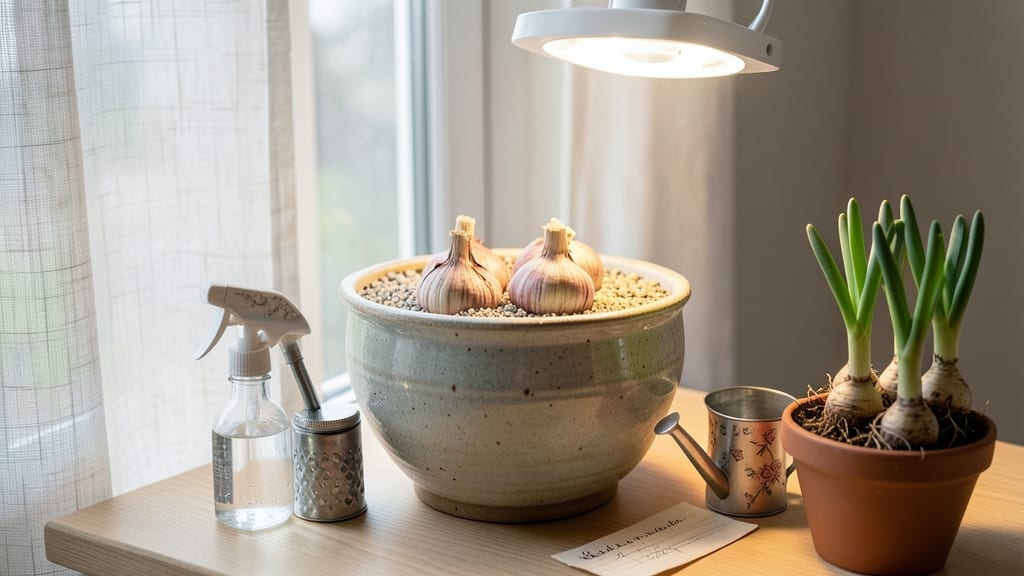
How to force daffodil bulbs indoors transforms winter into a golden celebration. 🌼 The secret lies in mimicking their natural chilling period—no greenhouse needed. I’ve turned my kitchen into a spring preview by following three simple phases: chilling, forcing, and blooming. The results? Bright yellow trumpets appearing just in time for holidays or early spring cheer.
You’ll need just five supplies: paperwhite or jonquil bulbs (available at garden centers), a shallow container (like a terracotta pot), well-draining potting mix, pebbles for drainage, and a dark, cool spot.
Timing is everything—start chilling bulbs in October for Christmas blooms or November for New Year’s. The key is patience: bulbs need 10-12 weeks of cold before they’ll bloom indoors.
Once planted, keep them in darkness until shoots appear—this prevents leggy growth. After that, move to bright, indirect light and water sparingly (soil should stay lightly moist). Within 3-4 weeks, you’ll watch buds unfurl, filling your home with that unmistakable daffodil fragrance.
The best part? These bulbs can be replanted outdoors after blooming for next year’s garden.
Common pitfalls include mold from overwatering or slow growth from insufficient chill time. If your bulbs sprout but won’t bloom, they might need another week in the fridge.
For extra drama, mix colors in one container—just ensure all bulbs get the same treatment. Ready to bring spring indoors? Let’s get started!
📚 In This Guide
- What you need
- Instructions
- Tips and common mistakes
- Wrapping up and next steps
What you need
- ● Daffodil bulbs: 3–5 large, firm bulbs (choose early-blooming varieties like Jonquil or Ice Follies for best results).
- ● Container: A shallow, wide pot (6–8 inches deep) with drainage holes. Terracotta or ceramic works best.
- ● Potting mix: Well-draining, bulb-specific mix or a blend of 50% peat moss and 50% perlite/sand (avoid garden soil!).
- ● Gravel or pebbles: 1–2 inches of small stones (for drainage at the container’s base).
- ● Watering can or spray bottle: For gentle hydration (no soaking!).
- ● Cooling environment: A dark, cool spot (40–50°F) like a basement, garage, or refrigerator (no light needed yet!).
- ● Mulch or sphagnum moss: To cover bulbs and retain moisture.
- ● Decorative stones or moss: For a polished, container-garden look.
- ● Grow lights: If forcing in a windowless space (12–14 hours of light/day after bulbs sprout).
- ● Thermometer: To monitor temperature (critical for success!).
Step-by-step instructions for forcing daffodil bulbs indoors
Here’s my foolproof method for coaxing cheerful daffodils into bloom weeks before spring—no greenhouse needed.
🌱 Step 1: Select and Prep the Bulbs
Choose firm, plump daffodil bulbs—look for ones labeled "forcing" if available, or use standard garden bulbs that haven’t been planted yet. I always pick bulbs that are at least 2 inches in diameter for the best blooms. Sort them by size to ensure even growth; larger bulbs will flower first.
Give the bulbs a 4-6 week cold treatment before forcing. Store them in a cool, dark place (like a garage or basement) at 35-45°F
Use shallow containers with drainage holes—6-inch pots or a long, narrow trough work perfectly for 4 bulbs each. I like terra cotta because it breathes, but plastic works too. Fill the container halfway with well-draining potting mix (avoid garden soil—it’s too dense and can rot bulbs). Plant the bulbs with their necks (the top third) exposed—this is critical for forcing. Cover only the bottom two-thirds with soil, leaving the pointed tips visible. Space bulbs 2-3 inches apart to allow roots to spread. Water lightly after planting, just enough to settle the soil around the bulbs. Place the planted bulbs in a dark, cool spot (like a closet or under a bed) where temperatures stay between 40-50°F. Keep the soil lightly moist but not soggy—water only when the top inch feels dry. You won’t see much happening yet, but roots will begin growing within 2-3 weeks. This is the patience phase. Resist the urge to peek or move the bulbs—consistency in darkness and temperature is key. If you notice mold or slimy soil, reduce watering immediately. The goal is steady root development before the shoots appear. After 6-8 weeks, when green shoots emerge (about 2-3 inches tall), move the containers to a bright, indirect light spot. A north-facing window or under a grow light works best. Gradually introduce more light over 3-5 days to avoid shocking the plants. Water sparingly now—overwatering causes rot, especially as the shoots grow. When buds form, increase light slightly if blooms look pale or leggy. You’ll see color in 4-6 weeks after sprouting, depending on the variety. Some daffodils (like paperwhites) bloom faster than others. Once blooms fade, let the foliage die back naturally—don’t cut it! This returns nutrients to the bulb for next year. After 6-8 weeks of flowering, you can plant the bulbs outdoors in a garden bed or pot. They’ll likely bloom again next spring, and you’ll have a ready supply of forced bulbs for future indoor displays. Here’s the thing—forced daffodils often decline after one bloom cycle. But the trade-off? Stunning winter color when nothing else is blooming. I always save a few bulbs each year to restart the process, and it’s worth the effort for that first burst of yellow and white in January.🪴 Step 2: Choose Containers and Plant the Bulbs
💧 Step 3: Provide Cool, Dark Conditions for Root Growth
☀️ Step 4: Move to Light for Sprouting and Blooming
⏰ Step 5: Enjoy and Transition to Outdoor Planting
Tips & tricks for forcing daffodil bulbs indoors
Timing and patience are everything when it comes to forcing these cheerful blooms—here's how to avoid the most common pitfalls and get the best results.
Selection Tip: Look for bulbs with firm, dry skins and no soft spots or mold. The 2-inch diameter recommendation isn't arbitrary—smaller bulbs often produce fewer flowers. I've found that bulbs labeled "forcing" varieties like 'Paperwhite' or 'Tête-à-Tête' are more reliable for indoor forcing, though standard garden varieties can work too if given proper care. Store them in a breathable mesh bag during the cold treatment to prevent moisture buildup, which can cause rot.
Temperature Matters: The 35-45°F range during the cold treatment is critical for breaking dormancy. If your garage or basement runs warmer, consider placing bulbs in a cooler with a fan or use a refrigerator set to 40°F. I've had success using a dedicated vegetable drawer with good airflow. Avoid temperature fluctuations—consistent cold triggers more reliable blooming. Once planted, maintaining 40-50°F during root growth prevents premature sprouting.
Container Strategy: The 6-inch pots or troughs recommendation works perfectly for 4 bulbs each, but if you're using larger containers, reduce bulb spacing to 1-2 inches apart to prevent overcrowding. Terra cotta pots are ideal because they wick away moisture, but if using plastic, ensure proper drainage. I've found that grouping containers together creates a more stable microclimate for root growth. For a dramatic display, use a shallow glass bowl with decorative stones instead of soil—just ensure the bulbs stay covered with water at the proper level.
Light Transition: That 3-5 day gradual light introduction is crucial—sudden exposure can shock the delicate shoots. Start with just 1-2 hours of indirect light on day one, increasing by an hour each day. I place my containers on a bookshelf near a north-facing window to begin, then move them closer as shoots strengthen. If using grow lights, position them 6-12 inches above the plants and use a timer for 12-14 hours of light daily to mimic natural daylight cycles.
Pro Tips for Force Daffodil Bulbs Indoors
- Timing and patience are everything when it comes to forcing these cheerful blooms—here's how to avoid the most common pitfalls and get the best results.
- Selection Tip: Look for bulbs with firm, dry skins and no soft spots or mold.
- Temperature Matters: The 35-45°F range during the cold treatment is critical for breaking dormancy.
Frequently asked questions
Got questions about forcing daffodil bulbs indoors? You’re not alone! Here are some of the most common concerns—and straightforward answers—to help you grow a vibrant winter display with confidence.
Can I force daffodil bulbs from any grocery store?
Not all daffodil bulbs are created equal! Look for paperwhite narcissus or Jonquil varieties—they’re the easiest to force indoors. Avoid hybrid daffodils (like Ice Follies), which often need a longer chilling period. Check labels for "forcing" or "pre-cooled" bulbs for guaranteed success!
How long does it take for forced daffodils to bloom?
With the right timing, you’ll see buds in 6–8 weeks after planting. Start chilling bulbs in late fall (October–November) for a Christmas or Valentine’s Day display. Rush the process by using a cool basement (35–45°F) or refrigerator (with good airflow) for 10–12 weeks before moving them to warmth.
What if my bulbs rot or mold during chilling?
Mold or mushy bulbs usually mean too much moisture or poor airflow. Drain excess water from containers, and avoid plastic bags—opt for a paper bag with holes or a mesh bag. If you spot rot, remove the affected bulb immediately and replant healthy ones. Pre-chill bulbs in a dry, dark place (like a garage) for 2–4 weeks before refrigerating to reduce risks.
Can I reuse forced daffodil bulbs outdoors?
Yes! After blooming, let the foliage yellow and die back naturally (4–6 weeks) to recharge the bulb. Plant it in well-draining garden soil in fall, and it may rebloom in 1–2 years. Just know: Paperwhites rarely return, but Jonquil or Poeticus types often do.
How can I make my forced daffodils last longer?
Trim stems at an angle before arranging in water, and change the water every 2–3 days to prevent bacterial growth. Keep them in a cool room (60–65°F), away from direct sunlight or heat sources (like radiators). A splash of bleach (1 drop per cup of water) can extend vase life by fighting bacteria!
Wrapping up and next steps
Forcing daffodil bulbs indoors is a rewarding way to bring early spring cheer into your home—no green thumb required! 🌷 With just a few simple steps, you’ll enjoy vibrant blooms months ahead of schedule.
Whether you’re a beginner or a seasoned gardener, this project is a fun, low-maintenance way to brighten up winter.
Now that you’re ready to dive in, grab those bulbs and a container—your winter wonderland awaits! Try experimenting with different varieties or even mix in other spring bulbs like tulips for an extra burst of color. Happy forcing! 🌸