
How To
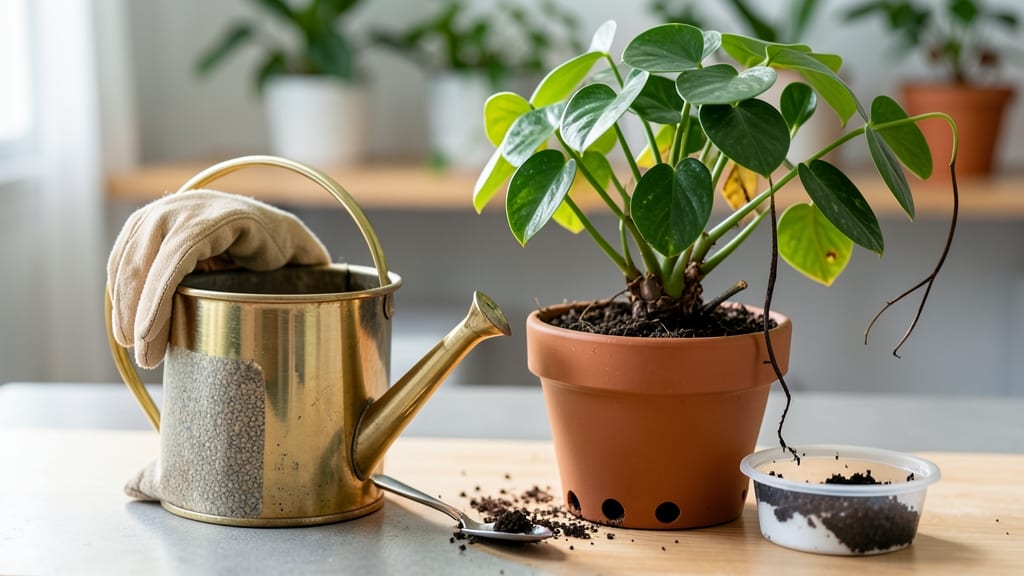
How to fix an overwatered ZZ plant—those yellow leaves and mushy stems aren’t a death sentence, just a wake-up call. 🌱 I've nursed back more overwatered ZZ plants than I'd like to admit, and the secret isn't complicated: it's all about stopping the rot and letting the roots breathe again.
The first step is simple but critical: stop watering immediately and let the soil dry out completely. You'll need a clean pot, fresh well-draining soil mix, and a sharp pair of pruners to trim away any black, mushy roots.
This isn't about being gentle—it's about giving your plant a fresh start.
Within 2-4 weeks, you'll see new growth pushing through the soil as the plant recovers. The key is patience and consistency—water only when the top 2-3 inches of soil feel completely dry, and always use a pot with drainage holes. Your plant will bounce back stronger than ever.
Here's the thing—ZZ plants are famously forgiving once they recover. The lesson here isn't just about fixing what went wrong, but about understanding how these plants truly thrive. Between you and me, this is where most people go wrong with ZZ plants—and why they end up in the trash.
📚 In This Guide
- What you need
- Instructions
- Tips and common mistakes
- Wrapping up and next steps
What you need
- ● Well-draining potting mix: 1 bag (1-2 gallons) of cactus or succulent mix (or a blend with perlite/pumice for aeration). Avoid heavy garden soil!
- ● Clean, sharp pruning shears: Small scissors or a knife (disinfect with rubbing alcohol first).
- ○ Gloved hands: Optional but recommended to avoid soil-borne bacteria.
- ● Drainage tray or saucer: To catch excess water during repotting.
- ● Watering can or spray bottle: With a narrow spout for controlled watering.
- ○ New pot (optional but ideal): 1-2 inches larger than the current pot with drainage holes.
- ● Rooting hormone: To encourage healthy regrowth if you’re propagating cuttings.
- ● Fungicide spray: Like neem oil (1 tsp per quart of water) to prevent mold or bacterial issues.
- ● Moisture meter: To check soil dryness before watering again.
- ● Charcoal or activated carbon: A handful to mix into the soil for extra drainage and odor control.
Step-by-Step instructions for reviving an overwatered ZZ plant
Here's how to rescue your ZZ plant from soggy roots and restore its signature resilience.
💧 Step 1: Stop Watering Immediately and Assess the Damage
First, halt all watering completely. ZZ plants are drought-tolerant and can survive months without water, but they can't recover from consistent moisture. Check the soil by sticking your finger 1-2 inches deep—if it feels damp, wait until it's completely dry before proceeding. Yellowing leaves or mushy stems are clear signs of overwatering.
Gently remove the plant from its pot to inspect the roots. Healthy roots are firm and white, while rotten roots will be brown, mushy, and may smell foul. Trim away any blackened or soft roots with clean scissors, cutting back to the healthy tissue. This might seem drastic, but it's the only way to stop the rot from spreading.
✂️ Step 2: Repot in Fresh, Well-Draining Soil
Use a clean pot with drainage holes—plastic or terracotta both work, but terracotta helps wick away excess moisture. Fill the bottom 1 inch deep with a chunky, well-draining mix like cactus or succulent soil (or amend regular potting soil with perlite or pumice). Avoid garden soil or anything heavy, as it holds moisture too long.
Place the trimmed plant in the pot and fill around the roots with the fresh mix, pressing lightly to secure it. Leave about ½ inch of space between the soil and the pot's rim to prevent overfilling during watering. This new setup will give your ZZ plant the dry conditions it craves to recover.
☀️ Step 3: Provide Bright, Indirect Light and Wait
Move your ZZ plant to a spot with bright, indirect light—think east or north-facing windows, or a few feet from a south-facing window. Direct sunlight can stress a recovering plant, while too little light slows regrowth. You'll notice new growth in 2-4 weeks if the roots are healthy enough to bounce back.
Resist the urge to water for at least 7-10 days, even if the soil feels dry. Let the plant acclimate to its new environment first. After that, water only when the top 2-3 inches of soil are bone-dry, and use the "soak-and-dry" method: water thoroughly until it drains from the bottom, then empty the saucer to prevent sitting water.
🌱 Step 4: Monitor and Adjust Care Moving Forward
Watch for signs of recovery: new leaves emerging from the center or along the rhizomes (the thick, horizontal stems) are a great indicator. If you see fresh growth but the plant still looks weak, reduce fertilizer use—ZZ plants don’t need much, and over-fertilizing can stress them further. Wait until the plant is fully revived before adding any nutrients.
Once your ZZ plant is back on track, adjust your watering routine to prevent future overwatering. In most homes, watering every 3-4 weeks in winter and every 2 weeks in summer keeps the soil just right. Stick your finger in the soil before watering—if it’s dry, it’s time. If it’s still damp, wait a few more days.
Tips & tricks for reviving an overwatered ZZ plant
Here's what nobody tells you—your ZZ plant can bounce back, but only if you address these key details.
Root Inspection: When you trim those mushy roots in Step 1, don't just cut off the obvious rot—keep cutting back until you hit firm, white tissue. I've seen people stop too soon, leaving hidden rot that will reappear. Use sterilized scissors or pruners to prevent infection, and don't worry about making the cuts perfect—the plant will regenerate from healthy tissue.
Soil Selection: The instructions mention cactus or succulent soil, but here's the real secret: mix in 30% perlite or pumice by volume. This creates air pockets that prevent future moisture buildup. I've had ZZ plants thrive in mixes that were 70% regular potting soil and 30% perlite—the key is that chunky texture that lets water drain fast. Avoid anything labeled "moisture-retaining" on the bag.
Light Transition: Moving your plant to bright, indirect light in Step 3 is crucial, but don't just plop it in the sunniest spot. Start with half the morning sun for a few days, then gradually increase exposure. I've seen ZZ plants get sunburned when moved too quickly—the leaves develop brown patches that look like recovery, but they're actually damage. Watch for slight yellowing as a warning sign to reduce light.
Watering Confidence: That 7-10 day wait before watering in Step 3 feels agonizing, but trust me on this: your ZZ plant needs this time to adjust. After that, when you check the top 2-3 inches of soil, press your finger in—if it feels like a dry sponge, it's time. If it's still damp, wait another 2-3 days. I keep a moisture meter nearby during recovery to avoid second-guessing, especially in humid climates where soil stays damp longer.
Pro Tips for Fix Overwatered Zz Plant
- Here's what nobody tells you—your ZZ plant can bounce back, but only if you address these key details.
- Root Inspection: When you trim those mushy roots in Step 1, don't just cut off the obvious rot—keep cutting back until you hit firm, white tissue.
- Soil Selection: The instructions mention cactus or succulent soil, but here's the real secret: mix in 30% perlite or pumice by volume.
Frequently asked questions
How often should I water my ZZ plant after fixing overwatering?
Let the top 3-4 inches of soil dry out completely before watering again—usually every 2-3 weeks in most homes. Stick your finger in the soil: if it’s dry, it’s time. Overwatering is sneaky, so err on the side of drought tolerance!
Will my ZZ plant recover if the leaves are mushy and falling off?
Don’t panic! Trim the mushy leaves (use clean scissors) and focus on drying out the roots. If the stems are still firm, your plant has a good chance of bouncing back. Yellow or limp leaves are the first signs of stress—cut them off to redirect energy to healthy growth.
Can I use hydrogen peroxide to fix overwatered ZZ plant roots?
Yes! Mix 1 part 3% hydrogen peroxide with 4 parts water and use it to water your plant for 1-2 weeks. It oxygenates the roots and prevents fungal/bacterial rot. Just avoid overdoing it—once a week is plenty!
How do I know if my ZZ plant is still root-bound or if the roots are rotting?
Gently remove your plant from its pot (if possible) and inspect the roots:
- Healthy roots: Firm, white, and slightly thick.
- Root-bound: Roots circling the pot or growing out of drainage holes.
- Rotten roots: Brown, mushy, or smelly—trim these immediately with sterilized scissors.
What’s the best soil mix to prevent overwatering in the future?
ZZ plants thrive in fast-draining, chunky soil. Mix:
- 50% cactus/succulent soil
- 30% perlite or pumice (for aeration)
- 20% coarse sand or orchid bark
Wrapping up and next steps
Reviving an overwatered ZZ plant is totally doable—even if it feels overwhelming right now! 🌱 By draining excess water, repotting in fresh soil, and adjusting your care routine, you’re already giving your plant a fighting chance.
Remember, ZZ plants are resilient, and with patience, they’ll bounce back stronger than ever.
Now that you’ve got the know-how, take action today! Start with one step—like checking the soil moisture or trimming damaged roots—and watch your ZZ plant thrive. You’ve got this! 💪