
How To
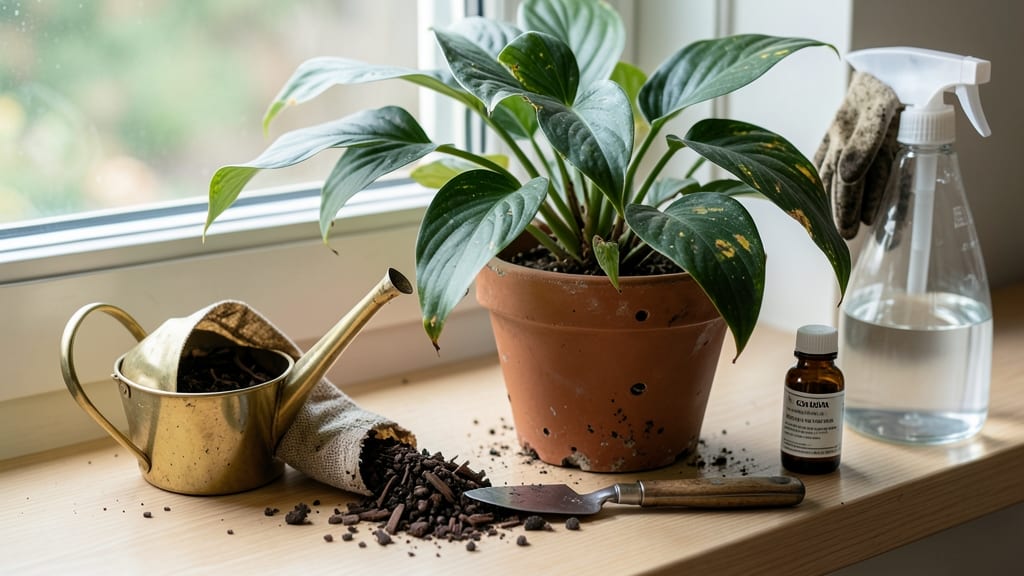
How to fix an overwatered peace lily—those drooping leaves don’t mean it’s dying, just that it’s had too much love (and water). 🌱 I’ve nursed back more soggy roots than I’d like to admit, and the key is acting fast before root rot sets in. The first sign? Yellowing leaves paired with mushy stems that feel soft when you gently squeeze them.
Start by removing the plant from its pot and inspecting the roots—healthy ones are firm and white, while rotted roots smell foul and turn black. Trim away the damaged sections with clean scissors, then repot in fresh, well-draining soil mix.
This isn't just a quick fix; it's a reset for your plant's future.
After repotting, hold off on watering for 3-5 days to let the roots recover. Place it in bright, indirect light and keep humidity up with a pebble tray. Within 2-3 weeks, you'll see new growth pushing through, and those droopy leaves will perk up like nothing happened.
Prevention is easier than rescue: stick your finger in the soil before watering—if the top inch feels damp, wait another day. Peace lilies thrive on neglect more than they do on frequent watering, and a little patience goes a long way toward keeping them lush and happy.
📚 In This Guide
- What you need
- Instructions
- Tips and common mistakes
- Wrapping up and next steps
What you need
- ● Well-draining potting mix: 1 bag (1–2 gallons) of moisture-wicking mix (e.g., 50% peat moss, 30% perlite, 20% orchid bark). Avoid heavy garden soil!
- ● Clean container: A pot with drainage holes (1–2 inches larger in diameter than the current one) to prevent future sogginess.
- ● Pruning shears or scissors: Sharp, sterilized tools to trim damaged roots and leaves.
- ○ Rooting hormone (optional but helpful): A small bottle of fungicide-free hormone gel or powder to encourage healthy regrowth.
- ● Watering can or spray bottle: With a fine rose nozzle for gentle hydration.
- ● Paper towels or a clean cloth: For blotting excess moisture and cleaning tools.
- ● Plastic wrap or a humidity dome: A clear bag or cover to create a mini greenhouse effect (if propagating cuttings).
- ● Household items for drainage: 3–5 river rocks or pebbles (¼–½ inch size) for the pot’s base.
- ● 1 spoon or stick to check soil moisture.
- ● Fungicide spray: A copper-based or neem oil solution to prevent root rot if your plant shows signs of mold.
- ● Grow lights or bright indirect sunlight: A LED grow bulb or south-facing window to support recovery.
- ● Moisture meter: A digital tool to monitor soil hydration (prevents guesswork!).
- ● Compost or worm castings: 1–2 tablespoons mixed into the soil for nutrients during revival.
Step-by-Step instructions for reviving an overwatered peace lily
Here’s how I’ve saved multiple peace lilies from root rot—no leaf loss required.
🪴 Step 1: Remove and Inspect the Roots
Gently slide the peace lily out of its pot and shake off the old soil. You’ll notice the roots immediately—healthy ones are firm and white, while overwatered roots turn mushy, black, or smell foul. Use a clean pair of scissors to trim away any blackened or soft roots, cutting back to the firm white sections only.
I always rinse the remaining roots under lukewarm water to remove any lingering soggy soil. This helps you spot hidden damage and prepares the plant for fresh soil. If the roots feel slimy or give way when touched, that’s your signal to act fast—don’t wait.
💧 Step 2: Adjust the Soil and Pot Setup
Choose a pot with drainage holes if yours doesn’t have them—this is non-negotiable for peace lilies. I like to repot into a container just slightly larger than the root ball, about 1-2 inches wider, to encourage root growth without overwhelming the plant. Fill the bottom 1 inch with fresh, well-draining potting mix.
Peace lilies thrive in a mix that drains quickly but retains some moisture. I blend 50% peat moss, 30% perlite, and 20% orchid bark for the perfect balance. Avoid garden soil—it compacts and holds too much water. Add a handful of perlite to the mix to lighten it up if it feels dense.
✂️ Step 3: Repot and Adjust Watering Habits
Place the peace lily into the new pot and fill around the roots with your fresh mix, pressing gently to eliminate air pockets. Stop watering completely for 3-5 days to let any remaining moisture in the roots dry out. This is the hardest part—resist the urge to water right away, even if the leaves look droopy.
After the waiting period, water only when the top 2 inches of soil feel dry. Stick your finger in the soil—if it’s damp past your first knuckle, wait another day. I use a moisture meter for peace lilies because they’re so sensitive. Overwatering is the #1 killer, so I’d rather underwater slightly than risk root rot again.
☀️ Step 4: Optimize Light and Humidity
Move your peace lily to a spot with bright, indirect light. East or north-facing windows are ideal, or use a sheer curtain to diffuse harsh afternoon sun. You’ll notice the leaves perk up within 2-3 days as the plant adjusts to the new conditions. Avoid direct sunlight—it stresses the plant and can scorch the leaves.
Increase humidity around the plant by placing the pot on a tray filled with pebbles and water. The evaporating water creates a microclimate that mimics the peace lily’s natural habitat. Mist the leaves lightly once a week, but avoid wetting the soil. You’ll see new growth within 4-6 weeks if the roots are healthy.
⏰ Step 5: Monitor and Maintain Recovery
Check the soil moisture every 3-4 days during the first month of recovery. Peace lilies are forgiving once they’re back on track, but they need consistency. If the leaves start to yellow again, it’s a sign of overwatering—cut back immediately and let the soil dry out more between waterings.
Fertilize lightly with a balanced, water-soluble fertilizer diluted to half strength after 6 weeks of stable recovery. Too much fertilizer too soon can burn the roots. I use a liquid fertilizer every 4-6 weeks during the growing season, but skip it in winter when the plant is dormant. Patience is key—your peace lily will bounce back stronger than ever.
Tips & tricks for reviving overwatered peace lilies
Between us, these small adjustments make all the difference when rescuing a peace lily from overwatering. The key is patience and precision—don't rush the process.
Root Inspection Tip: In Step 1, when you're trimming those mushy roots, look for any remaining white root tips—these are your plant's lifeline. I've seen peace lilies recover beautifully even when 70% of the roots were damaged, as long as those white tips remain. Use a magnifying glass if needed to spot hidden healthy sections.
Soil Mix Strategy: For Step 2, if you can't find orchid bark, substitute with 20% coconut coir instead—it mimics the moisture retention properties while still allowing good drainage. The critical ratio is maintaining that 50-30-20 balance between peat moss, perlite, and your chosen third ingredient. Test your mix by squeezing a handful: it should hold its shape but crumble easily when pressed.
Watering Recovery Hack: The 3-5 day waiting period in Step 3 is where most people fail. Mark your calendar or set a phone reminder—this forced dry-out period is what prevents future root rot. If you're worried about the plant looking droopy, remember that wilting from underwatering is temporary, while wilting from overwatering can be permanent. Trust the process!
Light Transition Tip: When moving your peace lily to brighter light in Step 4, do it gradually over 2-3 days. Sudden exposure to bright indirect light can cause leaf burn, especially when the plant is stressed. Start with morning light for the first day, then gradually increase exposure as the plant adjusts. You'll notice the leaves unfurl and perk up as they recover.
Pro Tips for Fix Overwatered Peace Lily
- Between us, these small adjustments make all the difference when rescuing a peace lily from overwatering. The key is ...
- Root Inspection Tip: In Step 1, when you're trimming those mushy roots, look for any remaining white root tips—these ...
- Soil Mix Strategy: For Step 2, if you can't find orchid bark, substitute with 20% coconut coir instead—it mimics the ...
Frequently asked questions
about reviving an overwatered peace lily—because even the greenest thumbs need a little troubleshooting help!How do I know if my peace lily is truly overwatered (not just underwatered)?
Check for these signs: yellowing leaves (especially lower ones), mushy stems, root rot (black, foul-smelling roots), and waterlogged soil that stays soggy for days. If the soil feels like a damp sponge and the leaves droop despite thirst, it’s likely overwatered—not underwatered!
How long does it take for a peace lily to recover from root rot?
Recovery time varies, but with proper care, you’ll see improvement in 2–4 weeks. Trim dead roots immediately, repot in fresh soil, and reduce watering. Be patient—new growth signals success! If no progress after a month, the plant may be too far gone (but try propagating healthy stems first!).
Can I save a peace lily with black roots and mushy stems?
Yes! Act fast: Trim all black/mushy roots and stems with sterilized scissors, then repot in dry, well-draining soil. Avoid watering for 5–7 days to let wounds heal. Propagate healthy cuttings in water or soil as a backup. With luck, your plant will bounce back!
What’s the best soil mix to prevent future overwatering?
Use a chunky, airy mix like:
- 50% peat-free potting soil (or coco coir)
- 30% orchid bark or perlite (for drainage)
- 20% worm castings or compost (for nutrients)
My peace lily’s leaves are crispy after fixing root rot—what now?
Crispy edges mean low humidity or underwatering post-recovery. Mist leaves daily, place the pot on a pebble tray with water, or use a humidifier. Water only when the top 1–2 inches of soil are dry. Avoid fertilizing until new growth appears!
Wrapping up and next steps
Reviving an overwatered peace lily is totally doable—you’ve got this! 🌱 By acting fast with proper drainage, pruning, and patience, you can nurse your plant back to health without losing a single leaf. Remember, even the most "hopeless" cases can bounce back with the right care.
Now that you’re armed with the know-how, take action today! Check your peace lily’s roots, adjust your watering routine, and watch it thrive.
And if you’re eager to level up your plant parenting skills, explore preventative care tips next—like the perfect soil mix or humidity hacks—to keep your green buddy happy for years to come. 💚