
Lawn
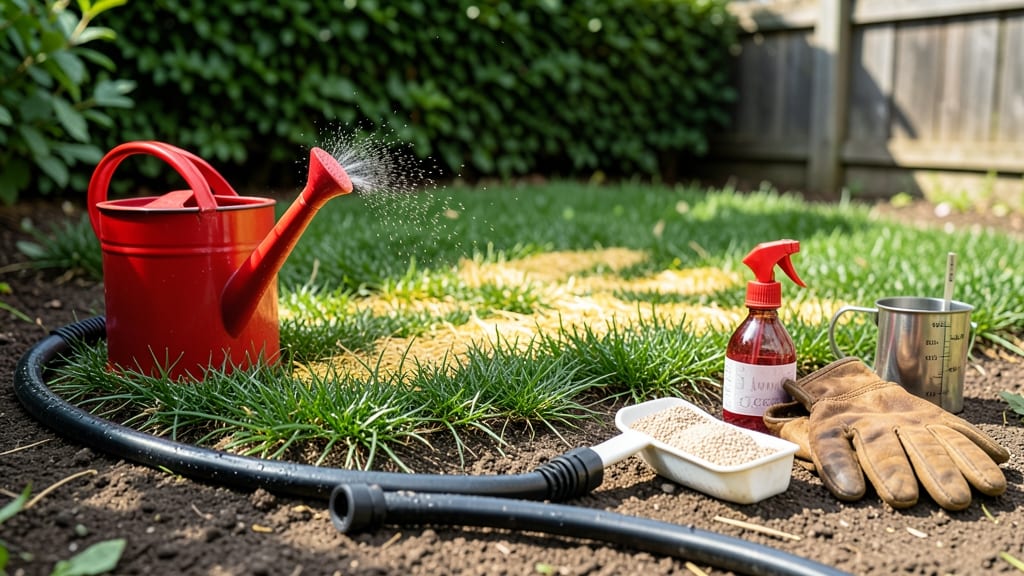
How to fix the damage when dog pee kills your grass—I’ve turned my patchwork of yellow crime scenes into a lush lawn using a simple vinegar trick that actually works. The key isn’t just diluting spots or hoping for the best; it’s understanding why urine burns grass and how to reverse the damage fast.
Urine burns grass because of its high nitrogen concentration, which acts like a chemical stripper. Overwatering makes it worse by diluting soil nutrients and encouraging fungus.
My lawn went from patchy to lush in just two weeks after switching to a diluted vinegar rinse (1:1 with water) and adjusting my watering schedule to mornings only.
You’ll see green return within 3-5 days if you act fast—just rinse affected areas immediately after potty breaks. For stubborn spots, overseeding with dog-friendly grass like tall fescue or Kentucky bluegrass gives you a resilient lawn that bounces back.
The best part? This method works for both new and old damage.
Prevention is easier than repair: train your dog to pee in one spot, water deeply but less often, and consider a dog urine-neutralizing spray for high-traffic areas. Trust me, your lawn will thank you—no more yellow flags in the yard.
The Science Behind Dead Grass
When your dog’s pee turns your lawn into a patchwork of brown, it’s not just an eyesore—it’s a chemical reaction gone wrong. Understanding why this happens is the first step to saving your grass.
Below, we break down the key culprits and the science that turns your yard into a crime scene of yellowed spots.
Dog urine is a potent cocktail of ammonia (NH₃) and nitrogen (N), both of which are naturally present in urine. When your pup pees, these compounds are highly concentrated—far more than what your grass can handle.
- Ammonia Burn: Ammonia is alkaline (pH 7.5–9.0), which disrupts the cell membranes of grass blades. This causes them to plasmolyze—a fancy term for cells losing water and wilting. Think of it like over-salting a steak: the grass cells "shrivel up" and die.
- Nitrogen Overload: While nitrogen is essential for grass growth, too much at once can overwhelm the plant’s roots. Grass absorbs nitrogen slowly, but dog urine delivers it in a toxic spike, leading to oxidative stress—like a lawn having a heart attack.
- pH Imbalance: The alkaline urine raises soil pH locally, making nutrients like iron and manganese unavailable to the grass. This mimics chlorosis (yellowing) seen in nutrient-deficient soils.
Actionable Insight: Most grasses can handle diluted nitrogen, but concentrated urine? That’s a one-way ticket to dead patches. 🌱💀
Not all grass is created equal—and some are far more sensitive to dog pee than others. The type of grass in your yard plays a huge role in how much damage occurs.
| Grass Type | Tolerance to Dog Pee | Why It Struggles |
|---|---|---|
| Bermuda Grass | ⭐⭐⭐⭐ (High) | Thick roots and fast recovery make it resilient to occasional urine spots. |
| Kentucky Bluegrass | ⭐⭐ (Low) | Delicate blades and shallow roots make it highly susceptible to ammonia burn. |
| Fescue Grass | ⭐⭐⭐ (Moderate) | More drought-tolerant but still suffers from soil compaction (from dogs walking) + urine. |
| St. Augustine | ⭐ (Very Low) | Loves moisture but hates alkaline urine—prone to fungal infections in damaged areas. |
Pro Tip: If your lawn is mostly Kentucky Bluegrass or St. Augustine, you’re playing a losing game unless you intervene. 🏹💥
Even if your grass is tough, soil composition and weather conditions can turn a minor pee incident into a full-blown lawn disaster.
- Clay Soil: Holds urine longer, preventing dilution. The ammonia sits near the surface, cooking the grass roots like a slow-burning fertilizer bomb. 💥
- Sandy Soil: Drains too quickly, but the lack of moisture stresses grass, making it more vulnerable to urine damage.
- Drought Conditions: Dry grass is already struggling—add urine, and you’re essentially double-teaming its ability to recover. 🌞🔥
- Hot Sun: Amplifies ammonia evaporation, creating a higher concentration of harmful compounds near the grass blades.
Key Takeaway: If your yard is clay-heavy or drought-prone, dog pee becomes a double threat. 🚨
Not all dogs are lawn killers—it depends on their diet, hydration, and pee habits. Here’s what makes some pups more destructive than others:
- Diet Matters:
- High-protein/kibble diets = more concentrated urine (like drinking a cup of coffee vs. water).
- Raw or wet food = slightly less acidic urine (but still harmful).
- Hydration Levels:
- Dehydrated dogs = darker, stronger urine (higher ammonia).
- Well-hydrated dogs = diluted pee (less damage, but still a risk).
- Frequency & Spot Consistency:
- Dogs that pee in the same spots create permanent dead zones.
- Small, frequent pees = less damage than one big puddle.
Vet-Approved Hack: If your dog’s urine is dark yellow or strong-smelling, they might be dehydrated. Add more water or cucumber slices to their diet to dilute the damage. 💦🐶
Revive Your Lawn Naturally
Now that you understand why dog urine burns grass, let’s tackle the problem head-on with practical, pet-friendly solutions. The good news? Most fixes are simple, cost-effective, and can restore your lawn to its lush best—without sacrificing your pup’s potty breaks.
Below, we’ve mapped direct fixes to the root causes of grass damage, plus preventive strategies to keep your yard thriving long-term.
Cause: Excess nitrogen in dog urine creates a chemical burn, turning grass yellow or brown.
How to Treat It:
- Dilute the Urine Immediately 💦
- The moment your dog finishes, rinse the spot with water (a hose or watering can works). This dilutes the nitrogen before it damages the roots.
- Pro Tip: Train your dog to pee in a gravel or mulch area (like a designated potty patch) to minimize lawn exposure.
- Apply a Vinegar Rinse 🍶 - Mix 1 part white vinegar with 3 parts water in a spray bottle. - Lightly mist the affected area (avoid oversaturating).
The acidity neutralizes excess nitrogen and helps restore pH balance. - Why It Works: Vinegar is a natural deodorizer and mild disinfectant—safe for grass when used correctly.
- Overseed the Damaged Patch 🌱
- Once the spot recovers (usually 1–2 weeks), sprinkle grass seed over the area and lightly cover with soil.
- Keep the soil moist until new growth appears.
Cause: Dogs trampling the same spots compresses soil, preventing water and nutrients from reaching roots.
How to Fix It:
- Aerate the Lawn ⛏️
- Rent a manual or powered aerator to create small holes in compacted areas. This lets air, water, and nutrients penetrate deeper.
- When to Do It: Early morning or late evening to avoid stressing the grass.
- Use a Lawn Roller (But Carefully!) 🎯
- If your yard has heavy foot traffic, a light roller pass can help redistribute soil—but avoid overdoing it, as this can compact further.
- Train Your Dog to Rotate Spots 🐕
- If your dog has a favorite peeing zone, redirect them with treats or a new potty area (like a patch of clover or a pee pad).
Cause: Sandy or poorly draining soil can’t absorb urine quickly, leading to prolonged damage.
How to Revive It:
- Add Organic Matter 🌿
- Mix compost or peat moss into the affected soil to improve water retention and nutrient absorption.
- Best Time: During spring or fall when grass is actively growing.
- Top-Dress with Mulch 🍂
- Spread a thin layer of straw or wood chips over the damaged area. This protects roots and slowly releases nutrients as it breaks down.
- Choose Drought-Tolerant Grass 🌱
- If your lawn struggles with urine damage, consider switching to resilient grasses like:
- Buffalo grass (drought-resistant)
- Fescue (tolerates poor soil)
- Clover (nitrogen-fixing and dog-friendly!)
- If your lawn struggles with urine damage, consider switching to resilient grasses like:
Once you’ve revived your lawn, keep it healthy with these easy habits:
- Water After Potty Breaks 💧 – Even a quick rinse with a hose helps. - Test Your Soil 📊 – Use a DIY soil test kit to check pH and nutrient levels.
Aim for a pH of 6.0–7.0 for optimal grass growth. - Fertilize Smartly 🌱 – Use a slow-release, organic fertilizer (like compost tea) to strengthen grass resilience. - Mow High ✂️ – Keep grass 3–4 inches tall to shade roots and retain moisture. - Consider Artificial Turf 🏡 – If your yard is small or high-traffic, pet-friendly artificial grass eliminates urine damage entirely.
Final Thought: With a little consistency and care, your lawn can bounce back from dog pee damage—and stay vibrant for years. The key is acting fast when accidents happen and adjusting habits to protect your grass long-term. Your pup (and your yard) will thank you! 🐾🌿
Frequently asked questions
Why does dog pee kill grass even after rinsing?
The damage happens because concentrated urine contains high levels of ammonia and nitrogen. Even if you rinse immediately, the ammonia can still disrupt grass cell membranes, causing them to wilt and die. For best results, rinse within 10 minutes of your dog peeing and follow up with a diluted vinegar solution to neutralize any remaining compounds.
Can I use bleach to fix dog pee spots on my lawn?
Never use bleach on grass—it will burn the blades and kill your lawn permanently. Instead, opt for a vinegar-water mix (1:3 ratio) or a commercial dog urine neutralizer. These solutions safely break down ammonia without harming your grass. For stubborn spots, overseeding with dog-friendly grass like tall fescue is a better long-term fix.
How long does it take for grass to recover from dog pee damage?
With immediate treatment (rinse + vinegar), you’ll see new green growth in 3-5 days. However, if the damage is severe or the grass was already stressed, recovery may take 2-3 weeks. For chronic spots, overseeding or aerating the soil can speed up recovery by improving nutrient absorption. Patience is key—don’t give up after a few days!
What’s the best grass type to prevent dog pee damage?
If you have a dog, choose drought-resistant grasses like Bermuda, Buffalo, or tall fescue. These varieties tolerate urine better than delicate types like Kentucky Bluegrass or St. Augustine. For extra protection, mix in clover, which is naturally nitrogen-fixing and more resilient to urine spots.
Will my dog’s diet affect how much damage their pee causes?
Dogs on high-protein kibble diets produce more concentrated urine, worsening lawn damage. Switch to a moist or raw diet to dilute their pee naturally. Adding extra water or cucumber slices to their meals also helps. Hydrated dogs pee more frequently but with less harmful ammonia content.