
How To
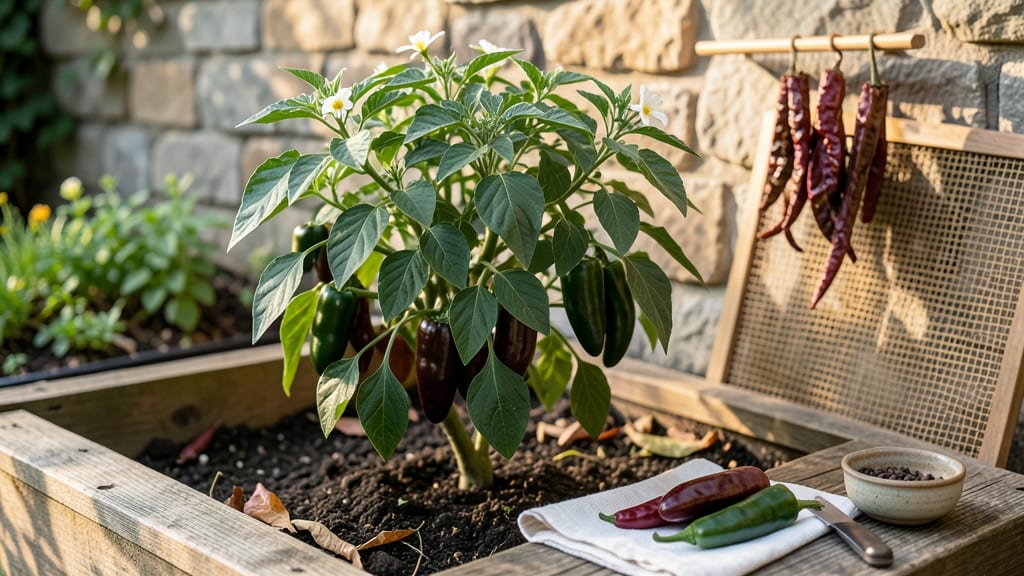
How to dry poblano peppers into ancho is the ultimate gardener’s reward. ✨ There's nothing like that first taste of a dish where the chiles you grew and dried add depth—it turns a simple meal into something extraordinary. The process is simpler than you think, and the results keep for months in your pantry.
Start with fully ripe poblanos, their deep green skin slightly waxy to the touch. You'll need a clean drying method—whether it's a dehydrator, oven on low heat, or even a sunny windowsill with good airflow.
The key is patience; proper drying removes moisture without burning the peppers, preserving their rich flavor and color.
Once dried, the poblanos shrink into dark, leathery ancho chiles with a subtle smokiness perfect for sauces, stews, or rehydrated in soups. The transformation from fresh pepper to pantry staple feels like magic—especially when you realize you've just created something store-bought versions can't match.
Store them in airtight containers away from light, and you'll have homegrown flavor on demand. The best part? You're not just drying peppers—you're building a culinary legacy from your garden harvest.
📚 In This Guide
- What you need
- Instructions
- Tips and common mistakes
- Wrapping up and next steps
What you need
- ● Fresh poblano peppers: 12–15 medium-sized peppers (about 1 lb total). Choose firm, slightly waxy peppers with deep green or purple hues.
- ● Sharp knife or kitchen shears: For precise cutting—avoid dull blades to prevent bruising.
- ● Cutting board: A sturdy, food-safe board (preferably wood or plastic for hygiene).
- ● Drying method of choice: Oven: A low-temp oven (170–200°F / 77–93°C) with a rack or wire cooling rack.
- ● Dehydrator: Set to 135–145°F (57–63°C) with trays and parchment paper.
- ○ Sun-drying (optional but traditional): A well-ventilated, dry, and shaded outdoor space (humidity <60%) + mesh screens or string.
- ● Air-tight storage containers: Glass jars with lids (pint or quart sizes) or vacuum-sealed bags for long-term storage.
- ● Paper towels or clean kitchen cloth: For patting peppers dry before drying.
- ● Small bowl or plate: For holding seeds and membranes (discard these—they’re bitter!).
- ○ Smoking or charring: A grill, stovetop, or chimney starter for a smoky flavor boost (optional but highly recommended for depth!).
- ● Wooden skewers or clothespins: For sun-drying—secure peppers to strings or screens.
- ● Humidity pack: A small bag of silica gel or rice in your storage jar to absorb moisture.
- ● Food processor or blender: For grinding dried anchos into powder later.
Step-by-step instructions for drying poblano peppers into ancho
Here's how to transform fresh poblanos into smoky, versatile ancho peppers—your pantry will thank you.
🌱 Step 1: Select and Prepare the Peppers
Pick firm, fully mature poblanos with deep green skin and no soft spots. You'll need about 4 large peppers for a standard yield. Cut off the stems and slice each pepper lengthwise into ¼-inch thick strips—this ensures even drying and faster flavor development.
Here's the thing—poblano skins can be tough. To speed up drying and soften the texture, blanch the strips in boiling water for 2-3 minutes, then immediately plunge them into ice water for 1 minute. Pat dry thoroughly with a clean towel. This step prevents mold during drying and guarantees a smoother final product.
💧 Step 2: Dry the Peppers Properly
Arrange the blanch-stripped poblanos on a clean, food-safe drying rack or dehydrator trays. Space them ¼ inch apart so air circulates freely—crowding leads to uneven drying and potential spoilage. I like to use a dehydrator set to 135°F for 4-6 hours, but you can also air-dry them in a well-ventilated area for 3-5 days.
Watch for the skin to wrinkle and pull away from the flesh—that's your signal the peppers are ready. If using a dehydrator, check hourly after 3 hours to avoid over-drying. For air-drying, place the rack in a spot with direct sunlight and good airflow, like a sunny windowsill or covered porch.
✂️ Step 3: Store the Ancho Peppers
Once completely dry, let the ancho peppers cool to room temperature. Remove any remaining stems or seeds if desired—this step is optional but creates a cleaner final product. Store them in an airtight container, like a glass jar or vacuum-sealed bag, in a cool, dark place.
Here's where it gets fun—they'll keep for up to 1 year! Label your container with the date so you can track freshness. For best flavor, use them within 6 months. The longer they age, the deeper their smoky notes develop—think of them as the secret ingredient for homemade salsas, moles, or even marinades.
🌿 Step 4: Rehydrate and Use Your Ancho Peppers
When ready to use, rehydrate the ancho peppers by soaking them in warm water for 10-15 minutes until pliable. Drain and pat dry before using. You can also blend them into a paste with a little water for a concentrated flavor boost. The possibilities are endless—try them in chili, tacos, or even as a smoky seasoning for roasted meats.
Real talk: The first time I made ancho from scratch, I almost skipped the blanching step. Big mistake—the peppers took twice as long to dry and had a tougher texture. Trust the process, and you'll have restaurant-quality flavor at home.
Tips & tricks for perfect ancho pepper transformation
These game-changing tips will take your homemade ancho peppers from good to absolutely stellar—trust me, your taste buds will thank you!
Blanching is Non-Negotiable: That 2-3 minute boil followed by the 1-minute ice bath isn't just a suggestion—it's the secret to restaurant-quality texture. Skipping it means tougher peppers that take twice as long to dry. Pro move: Use a slotted spoon to transfer peppers directly from boiling water to ice water for maximum efficiency.
Dehydrator vs Air-Drying Showdown: If using a dehydrator at 135°F, rotate trays halfway through the 4-6 hour window for even drying. For air-drying, place your rack near a fan to speed up the 3-5 day process—just make sure it's protected from pests. The wrinkled skin test is your best friend here!
Storage Hack for Maximum Flavor: After cooling completely, store your ancho peppers in a vacuum-sealed bag with a bay leaf for an extra layer of aroma. The 6-month window for peak flavor starts from when they're completely dry, not when you first make them. Label your containers with the drying date—trust me, you'll forget!
Rehydration Pro Tips: For that 10-15 minute soak, use warm (not hot) water to prevent the peppers from toughening. If making a paste, add a pinch of salt to the water—it helps preserve color and enhances flavor. And here's a secret: Save the soaking liquid for soups or sauces—it's packed with smoky goodness!
Pro Tips for Dry Poblano Peppers Into Ancho
- These game-changing tips will take your homemade ancho peppers from good to absolutely stellar—trust me, your taste buds will thank you!
- Blanching is Non-Negotiable: That 2-3 minute boil followed by the 1-minute ice bath isn't just a suggestion—it's the secret to restaurant-quality texture.
- Dehydrator vs Air-Drying Showdown: If using a dehydrator at 135°F, rotate trays halfway through the 4-6 hour window for even drying.
Frequently asked questions
Got questions about transforming poblanos into ancho peppers? You’re not alone—this process has its quirks! Below, we tackle the most common curiosities to help you dry poblanos like a pro.
How long does it take to dry poblano peppers into ancho?
Drying time varies based on your method. In a 200°F (93°C) oven, it takes 2–4 hours (check for crispiness). For air-drying, plan for 3–7 days in a warm, dry spot. Dehydrators usually take 4–8 hours. Patience is key—rush it, and they’ll lose flavor!
Can I speed up the drying process?
Yes, but with caution! Boost airflow by using a fan near your drying peppers or preheating your oven/dehydrator to 225°F (107°C) for the first hour. Just avoid high heat—it burns the peppers instead of drying them evenly. For air-drying, place them in a sunny windowsill (if humidity is low).
What if my ancho peppers turn moldy or slimy?
Mold or sliminess means moisture lingered. Discard affected peppers immediately—they’re unsafe to eat. To prevent this, ensure peppers are fully dry (no damp spots) before storing. Store in airtight containers with a silicone packet to absorb extra moisture. If using air-drying, rotate peppers daily for even exposure.
Can I use other peppers to make ancho-style dried peppers?
While poblano is classic, you can experiment with ancho’s cousin, pasilla, or even jalapeños (for a spicier kick). For best results, choose mild, meaty peppers with thick walls. Remove seeds and stems first, then follow the same drying process. Just note: flavors will differ—pasilla is smokier, jalapeños add heat!
How do I store dried ancho peppers long-term?
Store them in a cool, dark place (like a pantry) in airtight containers for up to 6 months. For longer storage, freeze them for up to a year. Avoid plastic bags—they trap moisture and speed up spoilage. Label your containers with the date to track freshness. Pro tip: Rehydrate by soaking in warm water for 10–15 minutes before using!
Wrapping up and next steps
Transforming poblano peppers into ancho chiles is a rewarding journey that unlocks a world of smoky, rich flavors for your kitchen!
With patience and the right techniques—whether sun-drying, oven-drying, or dehydrating—you’ll create a versatile ingredient perfect for sauces, marinades, and more. Now that you’re equipped with the know-how, why not experiment with your first batch today? 🌿✨
Ready to level up? Try infusing your ancho chiles with spices or blending them into a homemade chile powder for next-level dishes!