
Pruning
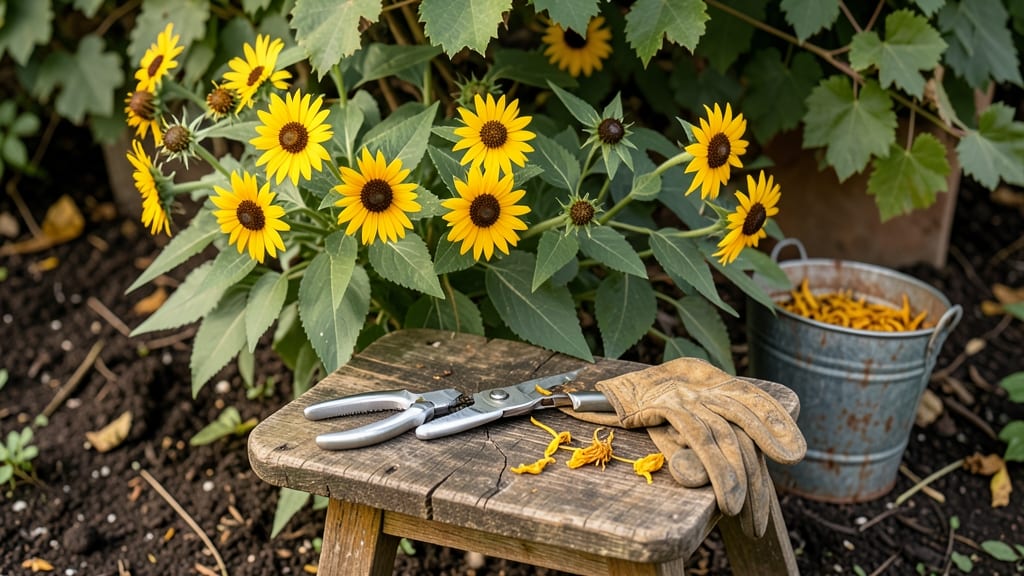
Your rudbeckias could bloom 3-4 weeks longer with just 5 minutes of work. 🌻 Deadheading isn't just about looks—it's the secret to keeping your Black-eyed Susans producing fresh flowers all season, not just a single flush.
I've turned my once-sparse late-summer garden into a vibrant display by mastering this simple technique.
The only tools you'll need are clean pruners and a sunny afternoon. Cut back the spent flower heads—where the petals meet the green stem—leaving about an inch of stem to prevent disease.
Most people make one critical mistake: cutting too low. That's how you accidentally prune off next year's blooms or invite rot into the stem.
What you'll end up with is a bushier plant that keeps pumping out new blooms until frost. The flowers stay brighter, the stems stay sturdy, and you'll have more cut stems for arrangements.
My Rudbeckia 'Goldsturm' now gives me continuous color from July through October—something I never saw in my first few years of gardening.
Works for all varieties, from the classic black-eyed types to the newer double-flowered hybrids. The same technique applies whether you're growing them in full sun or partial shade. Here's how to do it without killing your plants in the process—trust me, I've made every beginner mistake.
📚 In This Guide
- What you need
- Instructions
- Tips and common mistakes
- Wrapping up and next steps
What you need
- ● Pruning shears or sharp bypass pruners – Look for bypass blades (not anvil) for clean cuts. A 5-inch to 7-inch size works best for most Rudbeckia varieties.
- ○ Gloves (optional but recommended) – Wear gardening gloves to protect your hands from thorns (some varieties have them!) and dirt.
- ● Bucket or trash bag – A 5-gallon bucket or sturdy bag to collect spent blooms and debris.
- ○ Water spray bottle (optional) – A 16-ounce spray bottle with water to clean blades between cuts (prevents sap buildup).
- ● Disinfectant (70% isopropyl alcohol or bleach solution) – Wipe pruners with a 1:9 bleach-water mix before and after use to prevent disease spread.
- ● Knee pad or stool – For comfort if your Rudbeckia is tall (e.g., Rudbeckia laciniata can reach 5-6 feet).
- ● Compost bin – Repurpose spent blooms as nutrient-rich compost instead of tossing them!
- ● Hand lens or magnifying glass – Helps spot hidden pests or diseases on stems if you’re feeling extra thorough. 🔍
Step-by-step instructions for deadheading rudbeckia
Here's the simple method I use to keep my rudbeckia blooming all summer long—no fancy tools required.
✂️ Step 1: Wait for the Right Moment
Deadhead when the center blooms turn brown but the petals are still vibrant. This usually happens about 3-4 days after the flower fully opens. If you cut too early, you remove potential new blooms still forming in the bud.
Grab a pair of clean pruners or even your fingers—just pinch off the spent flower head just above the first set of healthy leaves or side buds. You'll see fresh green growth at the base of the stem where new blooms will form.
✂️ Step 2: Cut at the Correct Angle
Make your cut at a 45-degree angle, about ½ inch above a leaf node or side bud. This prevents water from pooling on the stem and reduces the risk of rot. I always run my thumb along the stem to feel for the next set of leaves before cutting.
Don't worry if you don't get the angle perfect—rudbeckia is forgiving. Just make sure you're cutting above a leaf or bud, never in the middle of bare stem. This ensures the plant redirects energy to new growth rather than wasting it on healing a clean cut.
🌿 Step 3: Encourage Bushier Growth
After deadheading, step back and assess your plant. If it looks leggy, pinch off the top growth just above another set of leaves. This forces the plant to branch out and produce more side shoots, which means more flowers.
I like to do this every 7-10 days during peak bloom season. Watch for new buds forming at the base of where you cut—these are your future flowers. The more you deadhead and pinch, the bushier your rudbeckia will grow, and the longer it will bloom.
💧 Step 4: Water and Fertilize After Pruning
Give your rudbeckia a good drink of water right after deadheading to help it recover. The plant will need to redirect energy to new growth, and proper hydration supports this process. Water at the base, not the leaves, to prevent fungal issues.
Add a light application of balanced fertilizer (10-10-10) or compost tea to replenish nutrients. I use about ¼ teaspoon of fertilizer per gallon of water and apply it every 2-3 weeks during the growing season. This keeps the plant strong and encourages continuous blooming.
☀️ Step 5: Monitor for New Blooms
Within 5-7 days of deadheading, you should see new buds forming at the leaf nodes where you cut. These buds will open into fresh flowers in about 2-3 weeks, depending on your climate and growing conditions.
Keep an eye out for any flowers that aren't opening properly or seem weak. These might need another pinch or a closer look for pests. Rudbeckia is tough, but consistent care keeps it thriving. The more you deadhead, the more your plant will reward you with vibrant blooms well into fall.
Tips & tricks for perfect rudbeckia deadheading
Keeping your rudbeckia blooming all season takes just a few simple tricks that make all the difference.
Timing is Everything: Those 3-4 days after a flower opens are critical—this is when the plant naturally begins redirecting energy to new buds. I've found that checking flowers in the morning light helps me spot the perfect moment when the center browns but petals stay vibrant. If you're unsure, check again the next day rather than cutting too soon.
The Pinch Technique: After deadheading, give your plant a quick inspection. If it's looking leggy, pinch off the top growth just above a set of leaves. This forces the plant to put energy into side shoots instead of just growing taller. I do this every 7-10 days during peak bloom, and my rudbeckia ends up bushier with more flowers than ever.
Fertilizer Timing: The 2-3 week interval between fertilizing is important, but timing matters too. I always fertilize right after deadheading—this gives the plant the nutrients it needs to recover and start growing new blooms. Use that ¼ teaspoon per gallon ratio, and you'll see stronger stems and brighter flowers.
Pro Tips for Deadhead Rudbeckia
- Keeping your rudbeckia blooming all season takes just a few simple tricks that make all the difference.
- Timing is Everything: Those 3-4 days after a flower opens are critical—this is when the plant naturally begins redirecting energy to new buds.
- The Pinch Technique: After deadheading, give your plant a quick inspection.
Frequently asked questions
Got questions about deadheading rudbeckia? You’re not alone! Here are answers to the most common queries to help you keep your black-eyed Susans looking their best all season long.
When is the best time to deadhead rudbeckia?
Deadhead rudbeckia as soon as the petals start wilting or drooping—usually mid-to-late summer. This encourages new blooms and prevents seed formation. For continuous flowers, repeat every 1-2 weeks until frost. Pro tip: Morning deadheading gives flowers the whole day to recover!
Do I need special tools to deadhead rudbeckia?
Not at all! While sharp pruners or clean scissors work best, you can use your fingers for small stems. Just avoid crushing the stem—snip just above a leaf node (the bump where leaves grow) to promote new growth. Bonus: Wipe tools with rubbing alcohol between plants to prevent disease.
What if my rudbeckia stops blooming after deadheading?
If blooms taper off, check for these issues:
- Over-pruning: Never cut more than 1/3 of the plant at once.
- Poor nutrition: Feed with a balanced fertilizer (10-10-10) in early spring.
- Drought stress: Water deeply 1–2 times weekly during dry spells.
- Leggy stems: Trim back tall, bare stems to encourage bushier growth.
If the problem persists, your rudbeckia may be mature—consider dividing it every 3–4 years for a fresh start!
Can I leave seed heads for winter interest?
If you love the rustic look, skip deadheading on a few stems. Seed heads add texture to winter gardens and attract birds. But here’s the catch: If you want more blooms next year, remove all dead flowers by early fall to redirect the plant’s energy into roots—not seeds.
How do I deadhead rudbeckia without ruining the look?
For a natural garden vibe, try these stealthy methods:
- Use thumb-and-finger pinching to remove spent blooms without cutting.
- Let a few flowers go to seed for pollinators, then deadhead the rest.
- Deadhead after rain—stems are softer and easier to handle.
- Plant rudbeckia near taller flowers (like coneflowers) to hide any “messy” stems.
Remember: Even “imperfect” deadheading keeps your garden thriving!
Wrapping up and next steps
Deadheading rudbeckia is a simple, rewarding task that keeps your garden vibrant and blooming longer—no green thumb required! 🌼 By removing spent blooms, you encourage new flowers, reduce seed production, and maintain a tidy, healthy plant.
This small effort pays off with months of colorful, cheerful blooms that brighten any space.
Ready to give it a try? Grab your shears and head to your garden—your rudbeckia will thank you! For even more pruning tips, explore how to revitalize other perennials or dive into seasonal care guides to keep your yard thriving all year.