
Propagation
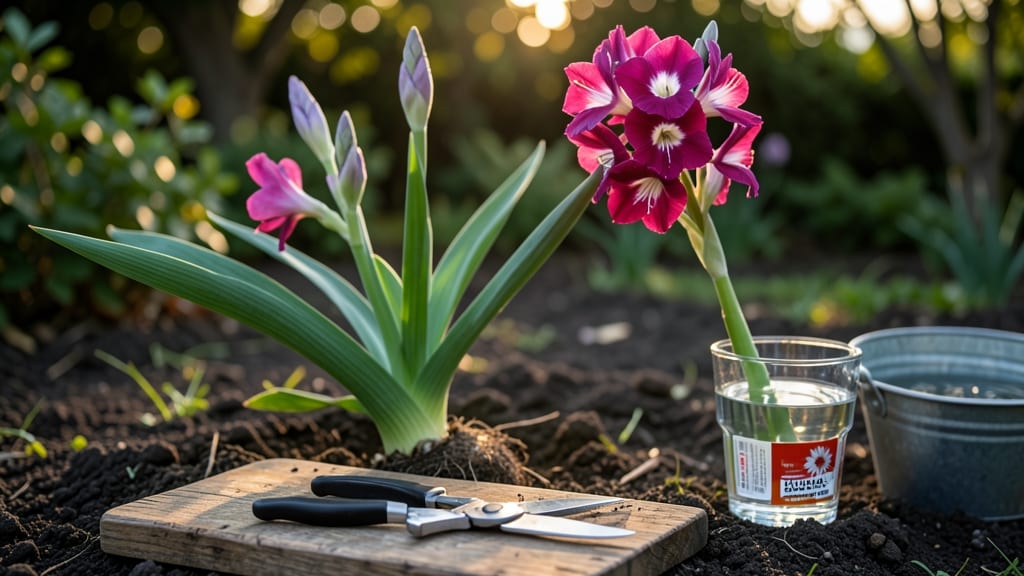
Cutting gladiolus stems at the right moment turns your garden into a vase-life factory. ✨ The secret isn't just when you cut—it's how. I've learned that timing matters more than most people realize, especially if you want those dramatic blooms to last a full week or more.
You'll need sharp pruners, a clean vase, and a sunny spot for your cuttings. The best time to cut is early morning after the dew dries but before the sun gets too hot. This simple routine keeps stems hydrated and prevents wilting before they even reach the water.
With the right technique, you'll end up with stems that stay fresh for 7-10 days, their buds opening beautifully over time. The key is making clean cuts, removing lower leaves, and changing the water every other day—no fancy tricks, just consistent care.
This method works for any gladiolus variety, whether you're growing them in your garden or buying them from a local florist. The same principles apply whether you're filling a single vase or arranging a full bouquet.
📚 In This Guide
- What you need
- Instructions
- Tips and common mistakes
- Wrapping up and next steps
What you need
- ● Fresh gladiolus stems – Choose fully bloomed or nearly bloomed flowers with firm, straight stems (3–5 stems per vase for a balanced look).
- ● Sharp floral shears or pruning scissors – A clean cut prevents crushing stems and extends vase life. Avoid kitchen knives!
- ● Clean vase or container – Glass, ceramic, or even a repurposed jar works! Ensure it’s at least 6 inches tall to accommodate stem length.
- ● Room-temperature water – Fill the vase halfway (2–3 inches deep) to support the stems without overcrowding.
- ○ Floral preservative (optional but recommended) – A packet of commercial flower food (like Floetist) or a DIY mix (sugar + bleach + vinegar).
- ● Newspaper or damp paper towels – Line the vase base to absorb excess moisture and keep water fresh.
- ● Decorative elements – Gravel, pebbles, or even crumpled foil at the vase’s bottom to weigh stems down.
- ● Ribbon or twine – For a polished touch when wrapping stems or securing blooms.
- ○ Pruning sealer (optional) – A product like Floralife to seal cut stems and prevent bacterial growth.
Step-by-step instructions for cutting gladiolus for vase arrangements
Here's how to harvest your gladiolus with precision—so every bouquet stays fresh for weeks.
🌱 Step 1: Choose the Perfect Stalks for Cutting
Pick stalks with 3-5 buds still closed at the base—these will open sequentially in your vase. Avoid any stems showing signs of wilting, browning, or pest damage. I always cut in the early morning when stems are fully hydrated and buds are firm. This ensures the longest vase life possible.
Gently squeeze the stem near the base to test for crispness. It should snap cleanly rather than bend or feel mushy. If the stalk feels hollow or dry, skip it—those stems won't hold water well. You'll need about 4-6 stalks per bouquet for a full, lush arrangement.
✂️ Step 2: Make the Cleanest Cut Possible
Use a sharp, clean pair of pruners or a knife to cut stems at a 45-degree angle, about 2-3 inches below the base of the plant. This angled cut maximizes water uptake through the stem's surface area. Never cut too close to the base—you'll damage the plant's vascular system and shorten its vase life.
Immediately place the cut stems in a bucket of lukewarm water (around 70°F) to prevent air bubbles from blocking the stems. I like to add a splash of floral preservative to the water right away—this gives the flowers a head start on hydration and longevity.
💧 Step 3: Rehydrate and Prepare Stems for the Vase
Strip the lower leaves from each stem, leaving only the top 6 inches of foliage. These leaves will be submerged in water and can rot quickly. Remove any buds that are already open—these will wilt faster than the others and drag down the bouquet's overall freshness.
Recut the stems under water again at a fresh 45-degree angle to ensure clean water flow. This second cut removes any crushed stem tissue from the initial harvest. Place the stems in a clean vase filled with room-temperature water and a floral preservative (about 1 teaspoon per quart of water).
☀️ Step 4: Arrange and Maintain for Maximum Freshness
Arrange the stems in your vase with the largest buds facing outward for visual impact. Change the water every 2-3 days to prevent bacterial growth, and recut stems at a fresh angle each time. Keep the arrangement away from direct sunlight, drafts, and ripening fruits—all of which accelerate wilting.
Here's the thing—gladiolus love a little sugar. Add 1 teaspoon of white sugar per quart of water to help them absorb nutrients and stay fresh longer. You'll notice the buds open sequentially over 5-7 days, creating a stunning, ever-changing display.
Tips & tricks for perfect gladiolus arrangements
Here's what nobody tells you about keeping your gladiolus bouquets fresh and stunning for days.
Timing is Everything: Those 1-2 hours of soaking in lukewarm water are non-negotiable for maximum hydration. I've learned the hard way that skipping this step means wilting stems within 24 hours. The warm water opens up the stem cells, allowing them to absorb water more efficiently. If you're short on time, at least do a quick 30-minute soak—it's better than nothing!
Cutting Technique Matters: The 45-degree angle cut about 3-4 inches below the flower head is crucial, but where you make it matters just as much. Always cut just above a leaf node—this is where new growth emerges, and it helps the stem draw up water more effectively. I use a sharp pair of pruners and make one clean cut rather than crushing the stem with dull scissors.
Leaf Management: Those lower leaves might seem harmless, but they're actually time bombs for bacterial growth. Remove every leaf that would sit below the waterline—even if it means sacrificing a few inches of stem length. I strip leaves from the lower 6 inches of each stem to keep the water crystal clear. A clean vase with clear water is the first step to a long-lasting arrangement.
Storage Wisdom: If you need to store your gladiolus stems before arranging, wrap them in a damp paper towel and place them in a plastic bag. Store them in the refrigerator for up to 24 hours—this slows down the wilting process. When you're ready to arrange, give them a fresh ½ inch cut and a quick soak to revive them before placing in your vase.
Pro Tips for Cut Gladiolus For Vase
- Here's what nobody tells you about keeping your gladiolus bouquets fresh and stunning for days.
- Timing is Everything: Those 1-2 hours of soaking in lukewarm water are non-negotiable for maximum hydration. I've lea...
- Cutting Technique Matters: The 45-degree angle cut about 3-4 inches below the flower head is crucial, but where you m...
Frequently asked questions
about cutting gladiolus for your vase—because even the pros have questions! Here are some of the most common ones to help you nail that perfect bouquet every time.When is the best time to cut gladiolus for the vase?
Cut gladiolus when half the lower buds have opened but the top buds are still tightly closed. This ensures the stems have enough energy to hydrate the blooms as they open. Avoid cutting fully open flowers—they’ll wilt faster. Early morning is ideal, as stems are fully hydrated and less stressed.
How do I know how much to cut from the stem?
Trim stems at a 45-degree angle about 2-3 inches from the base of the plant. This increases water absorption and prevents air bubbles that can block the stem. If the stems are woody or hollow, recut them under water to refresh the cut and encourage longer vase life.
Why are my cut gladiolus wilting so quickly?
Wilting can happen for a few reasons:
- Dirty or bacteria-filled water—change the water every 2-3 days and add a drop of bleach (1 part bleach to 7 parts water) to keep it fresh.
- Ethylene gas from overripe fruit or other flowers nearby can speed up wilting. Keep gladiolus away from apples or bananas.
- Poor cutting technique—always trim stems under running water with a sharp, clean tool.
Can I cut gladiolus from my garden and still replant them?
Yes! After cutting, leave at least 6-8 inches of stem above the soil to ensure the plant can regrow. Avoid cutting more than 1/3 of the foliage at once, as the leaves provide energy for the corms (bulbs) to store nutrients. With proper care, your gladiolus may rebloom or produce offsets for next season.
What’s the best way to arrange gladiolus in a vase?
Gladiolus have bold, vertical spikes, so they shine in tall, narrow vases. Remove lower leaves that would sit in water to prevent bacteria. Arrange them in odd-numbered groups (3, 5, or 7 stems) for a natural look. Add a floral preservative to the water to extend their life by 3-5 days!
Are there any alternatives if I don’t have fresh gladiolus?
If fresh gladiolus aren’t available, try these long-lasting alternatives:
- Dahlias—similar height and dramatic blooms.
- Snapdragons—elegant and slow to open.
- Alstroemeria—durable and comes in vibrant colors.
- Dried gladiolus—preserve them by hanging upside down in a dark, dry place for weeks of decor.
Wrapping up and next steps
Cutting gladiolus for your vase is simpler than you think—and the results are stunning! With just a sharp knife, clean water, and a little patience, you’ll enjoy vibrant blooms that last for days.
Now that you’re armed with these tips, go ahead and brighten up your space! Try experimenting with different arrangements or even propagating your gladiolus for future blooms. Happy arranging—your home (or someone special’s!) will thank you. 🌸✨