
Tools
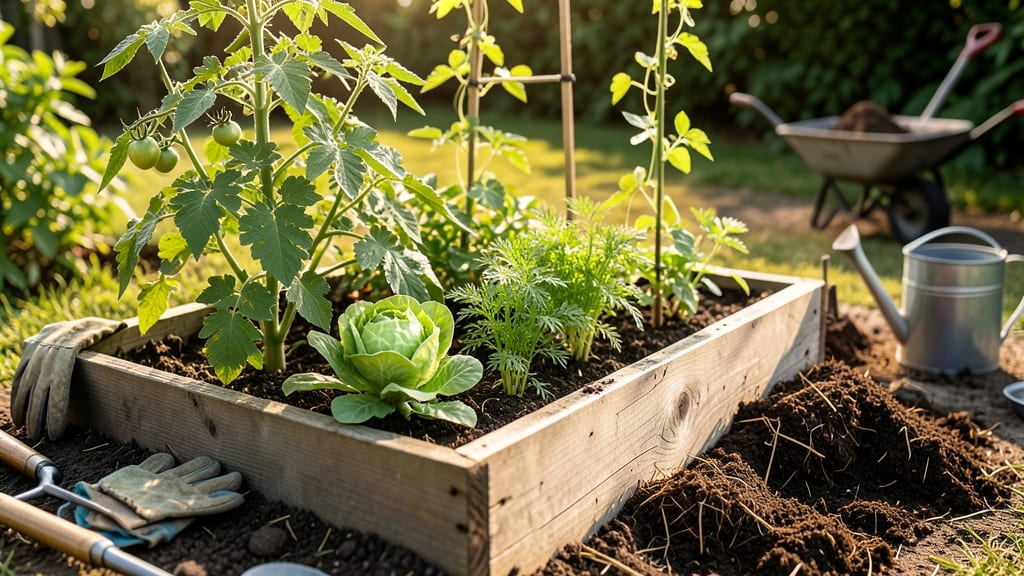
How to apply manure to the garden could transform your soil into three times more fertile ground by next spring—if you do it right. 🌱 The secret isn’t just dumping it and digging; it’s knowing when, where, and how to use it so your plants thrive without burning roots or inviting pests. I’ve turned my clay-heavy garden into lush, crumbly soil using these exact methods, and you can too. Start with aged manure (at least 6 months old) to avoid seedling scorch or weed seeds hitching a ride. Horse, cow, chicken, or rabbit—each has different nutrient strengths, so match it to your plants’ needs. Spread a 1-inch layer over the soil surface in early spring or fall, then let winter rains or a good watering integrate it naturally. By planting season, your soil will feel like velvet—not the heavy, compacted mess it was before. Roots grow deeper, flowers bloom brighter, and vegetables pack more flavor. The key is patience: manure works best when it’s part of the soil ecosystem, not a quick fix. For beginners, this method cuts fertilizer costs by half while building soil health long-term. No more guessing what your plants need—they’ll tell you through stronger stems and bigger harvests. Let’s get your soil working for you!
📚 In This Guide
- What you need
- Instructions
- Tips and common mistakes
- Wrapping up and next steps
What you need
Before you dive into enriching your garden with manure, gather these essential materials and tools to ensure a smooth, effective process! Whether you're a seasoned gardener or a newbie, having the right supplies on hand will make all the difference. Here’s your
Tips & tricks for perfect garden soil enrichment
Transforming your garden soil with manure takes more than just dumping it in—these practical tips will help you get it right the first time.
Manure Maturity Matters: The 6-month composting requirement for chicken manure isn't just a suggestion—it's essential. I learned this the hard way after seeing my tomato plants wilt from nitrogen burn. For other manures, look for that earthy smell and crumbly texture before applying. Fresh manure can actually harm plants by releasing too much ammonia too quickly, so patience pays off here.
Soil Test First: That pH range of 6.0-7.0 is your sweet spot for most vegetables, but your soil might need adjustment. I always test before applying manure—if your soil is too acidic, those 1-2 cups of lime per 100 square feet will make all the difference. For sandy soil, adding that 1-inch compost layer first helps retain moisture and gives plants a smoother transition to the manure.
Layering Technique: When spreading that 1-2 inch layer, think about how plants will use it. For established plants, focus on the drip line rather than the stems—this prevents root burn while still delivering nutrients where they're needed. The 2-3 inch spacing from stems gives roots room to grow without direct contact with concentrated nutrients.
Seasonal Timing: Early spring and fall are ideal because the soil is cooler and plants can gradually absorb nutrients. In summer heat, manure breaks down faster and can cause salt buildup. I've found that applying it twice a year—once before planting and again after harvest—keeps the soil consistently enriched without overwhelming plants.
Pro Tips for Apply Manure To Garden
- Transforming your garden soil with manure takes more than just dumping it in—these practical tips will help you get i...
- Manure Maturity Matters: The 6-month composting requirement for chicken manure isn't just a suggestion—it's essential...
- Soil Test First: That pH range of 6.0-7.0 is your sweet spot for most vegetables, but your soil might need adjustment...
Frequently asked questions
When is the best time to apply manure to my garden?
Apply manure in early spring or late fall, at least 2-3 months before planting. This gives it time to decompose and enrich the soil without burning plants. For active growing seasons, opt for composted manure to avoid nutrient spikes. Avoid applying right before planting—fresh manure can harm tender roots!
Can I use fresh manure directly from the barn?
Fresh manure can burn plants due to high ammonia levels and undecomposed pathogens. Always compost it first (3–6 months) or age it in a pile for at least 6 months. For urgent use, mix it into soil deeply (6+ inches) and water thoroughly to dilute ammonia. Never apply fresh manure near edible crops!
What’s the difference between composted and raw manure?
| Composted Manure | Raw Manure |
|---|---|
| Safe for plants, ready to use; rich in nutrients but milder. | High in nitrogen but can burn plants; needs aging/composting. |
| Best for vegetable gardens and flowers. | Better for bulk soil amendment (e.g., lawns, paths). |
| Pro tip: Look for dark, crumbly texture with no strong odor. | Warning: Avoid if it smells foul or has visible pests. |
How much manure should I use per square foot?
Start with 1–2 inches of composted manure per 100 sq ft of garden bed. For raw manure, reduce to ½–1 inch and mix deeply. Overapplying can over-fertilize plants, leading to leafy growth but few fruits. Test your soil first—manure isn’t a substitute for balanced nutrients!
What if my plants look unhealthy after applying manure?
Yellowing leaves or wilting? You may have overdone it with nitrogen or ammonia burn. Flush the soil with water and reduce future applications. If plants smell rotten, pathogens may be present—stop using that batch and disinfect tools. For safety, use composted or aged manure next time.
Wrapping up and next steps
Applying manure to your garden is a rewarding way to boost soil health and plant growth—just
Next step: Start small—try a test patch with composted manure and observe how your plants respond. Happy gardening!