
How To
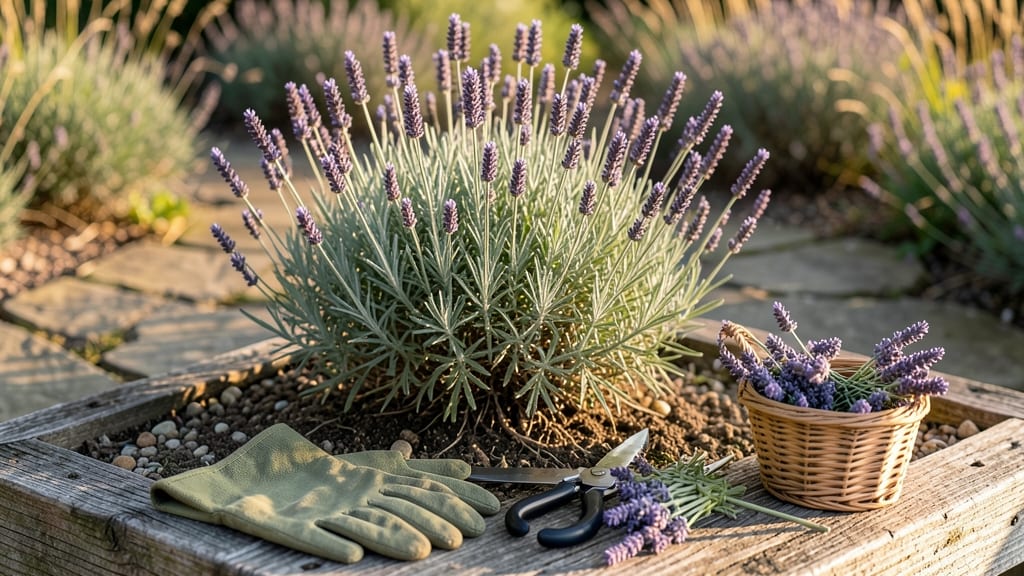
Best time of year to harvest English lavender for maximum fragrance
Harvesting English lavender at the right time ensures intense fragrance and long-lasting stems. The best window is mid-summer, typically between July and September, when buds form but haven't fully bloomed. This timing captures the peak essential oil production that defines lavender's signature scent.
In cooler climates (USDA Zones 6-8), aim for late June to August—just as buds tighten but remain closed. Warmer regions can extend harvests into early October, but avoid cutting after first frost, which damages stems and reduces fragrance potency.
Morning harvests are ideal—cool temperatures and dew-free stems prevent wilting. Cut in the early morning (before 10 AM) to maximize oil content and color retention. Avoid harvesting after rain, as damp stems dry poorly and risk mold.
🌿 English Lavender Harvest Guide
| Season | Ideal Harvest Time | Key Features |
|---|---|---|
| Spring | Late May - Early June | Early buds forming; light scent |
| Summer | July - September | Bud stage; peak fragrance and color |
| Fall | Early October (pre-frost) | Late blooms; reduced oil content |
💡 Pro Tip: Harvest every 4-6 weeks to encourage bushier growth and longer bloom cycles.
Climate plays a crucial role—drought-stressed plants produce more essential oils, but avoid harvesting after prolonged dry spells. In humid areas, prioritize air-drying immediately to prevent fungal growth. If you live in a rainy region, harvest only during dry spells and process stems within 24 hours.
Never harvest over 1/3 of the plant in one session—this weakens growth and reduces next year's yield. For container-grown lavender, limit cuts to 2-3 stems per plant to avoid stress. Always use clean, sharp pruners to make clean cuts just above a leaf node.
Watch for woody stems—these indicate maturity and higher oil content. If stems feel soft or green, wait 2-3 weeks before harvesting. The stronger the fragrance when you brush the stems, the better the harvest.
For commercial drying, aim for 70-80°F ambient temperatures. In hot climates (above 90°F), harvest late afternoon to allow stems to cool slightly before processing. This reduces oxidation and preserves vibrant purple hues.
🌸 Seasonal Reminder: English lavender reblooms in fall if given proper care. A light trim in early September can encourage second flushes of buds for late-season harvests.
Step-by-step techniques for cutting and drying English lavender stems
Harvesting English lavender at the right stage ensures maximum fragrance and vibrant color. The key is to cut stems when 20-30% of buds have opened but most remain tightly closed.
This timing captures the peak essential oil production, which fades once flowers fully bloom. Use sharp, clean pruning shears or garden scissors to avoid crushing stems—this preserves both scent and appearance.
Start by selecting healthy stems that are at least 12 inches tall with woody bases. Avoid cutting from the very center of the plant, as this can stunt growth.
Instead, trim outer stems first, leaving the inner foliage to continue photosynthesizing. Cut at a 45-degree angle just above a leaf node to encourage new growth and prevent disease.
How to Harvest and Dry English Lavender
- Step 1: Harvest in morning hours after dew has dried (8-10 AM) for freshest stems.
- Step 2: Bundle 5-10 stems together with twine or rubber bands, leaving 1-inch stems exposed at the bottom.
- Step 3: Hang bundles upside down in a well-ventilated, dry area (e.g., garage or shed) away from direct sunlight.
- Step 4: Dry for 2-3 weeks until stems snap easily when bent (not bendy).
- Step 5: Store in airtight containers (like glass jars) away from light and moisture.
✅ Pro Tip: For faster drying, spread stems on a screen or mesh in a shady, dry spot.
If you prefer oven-drying, preheat your oven to 200°F (93°C) and place stems on a baking sheet lined with parchment paper. Dry for 1-2 hours, checking frequently to avoid over-drying.
This method works well in humid climates where air-drying may take longer. Just be cautious—high heat can destroy essential oils and bleach colors.
Once dried, your lavender should have a deep purple hue and release a rich, floral aroma when crushed. If stems feel damp or moldy, they didn’t dry properly and should be discarded.
Properly dried lavender keeps its fragrance for up to 1 year when stored correctly, making it a versatile herb for sachets, potpourri, or culinary uses.
For long-term storage, remove dried flowers from stems and store them in small muslin bags or glass jars. Add a dried silica packet to absorb any remaining moisture. Label your jars with the harvest date to track freshness—older lavender loses aromatic potency over time.
Now that you’ve mastered the harvesting and drying process, your lavender will stay fragrant and beautiful for months. The next step? Experiment with DIY lavender projects like homemade pillow sprays or infused oils!